Knowledge

Worker in safety vest reviewing shipment paperwork on a clipboard before sign-off
Knowledge

EN 10204 3.1 vs 3.2 for Electrical Steel MTCs

A 3.2 certificate isn’t a “better” 3.1 — it’s a 3.1 with a second, independent signature added on top. Both report the same test results for the same coil; the difference is who is allowed to vouch for those numbers, not what got measured. For electrical steel, that mill test certificate (MTC) is what turns

Widely-recognized-as-a-key-material-in-electrical-engineering.
Knowledge

What Is Grain-Oriented Silicon Steel? Definition, Grades, Iron Loss & B8 Data

Most buyers asking “what is grain-oriented silicon steel” already have a transformer core spec in front of them and a supplier quoting a grade code they don’t fully trust. Fair enough — the short answer is this: grain-oriented silicon steel (GOES, also called CRGO — cold-rolled grain-oriented electrical steel) is a 3.0–3.5% silicon-iron alloy rolled

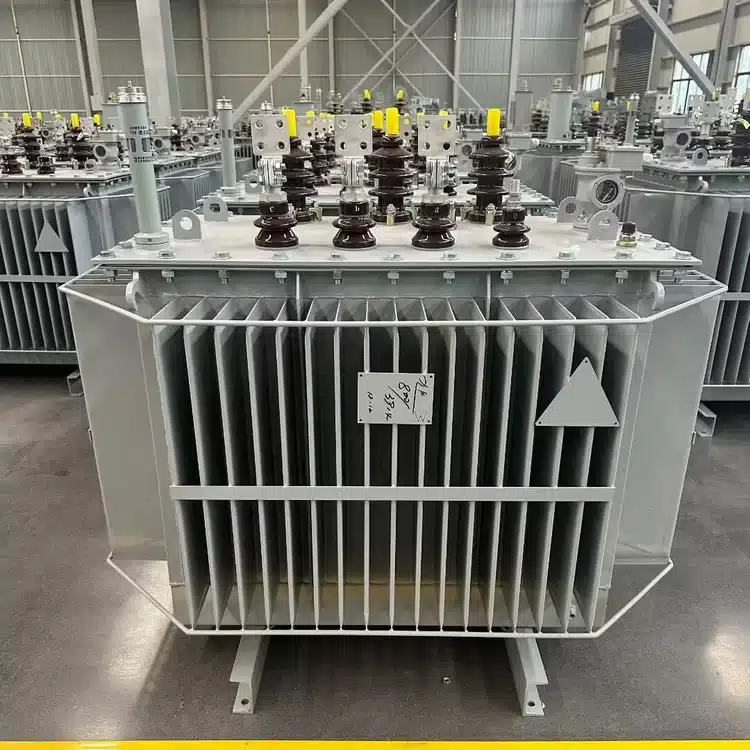
A three-phase oil-immersed distribution transformer core and tank assembly on a factory floor, bushings and conservator fittings mounted on top
Knowledge

Hi-B vs Standard CRGO: DOE 2029 Payback Math

Hi-B grain-oriented steel costs more than standard CRGO for the same thickness. The question buyers actually need answered isn’t which one is “better” — it’s whether the core-loss savings pay back the premium fast enough to matter for a specific transformer. This article works through that math with real numbers from our own standard and

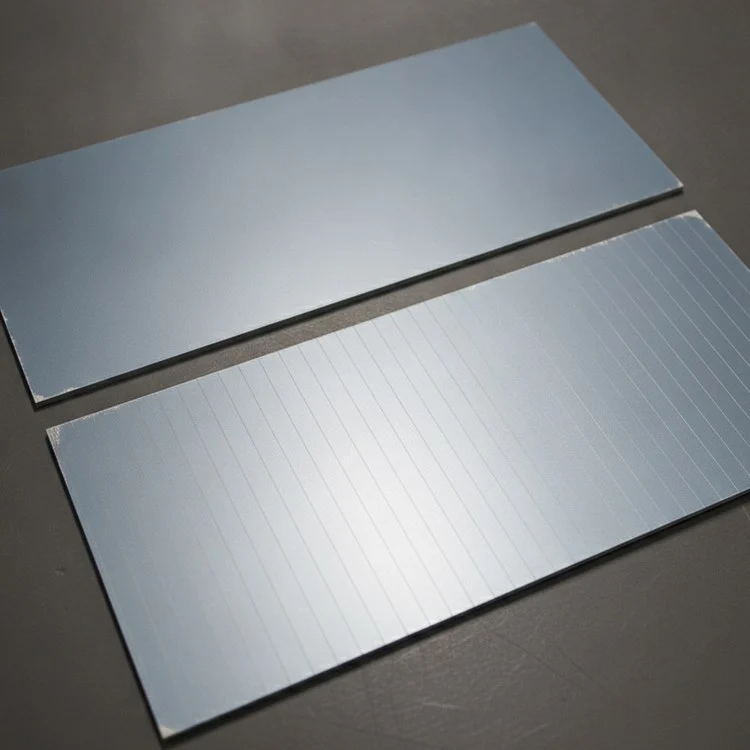
Two grain-oriented electrical steel samples, top with a plain coating, bottom with fine transverse laser scribe lines
Knowledge

CRGO Steel Grades: CGO, Hi-B and Laser-Scribed

CRGO steel grades fall into four tiers: conventional grain-oriented (CGO), high-permeability Hi-B, domain-refined or laser-scribed Hi-B, and ultra-thin grain-oriented strip for higher frequencies. Each tier adds one specific metallurgical step — and one specific line of cost — over the tier below it, and the grade code on your quote is supposed to tell you

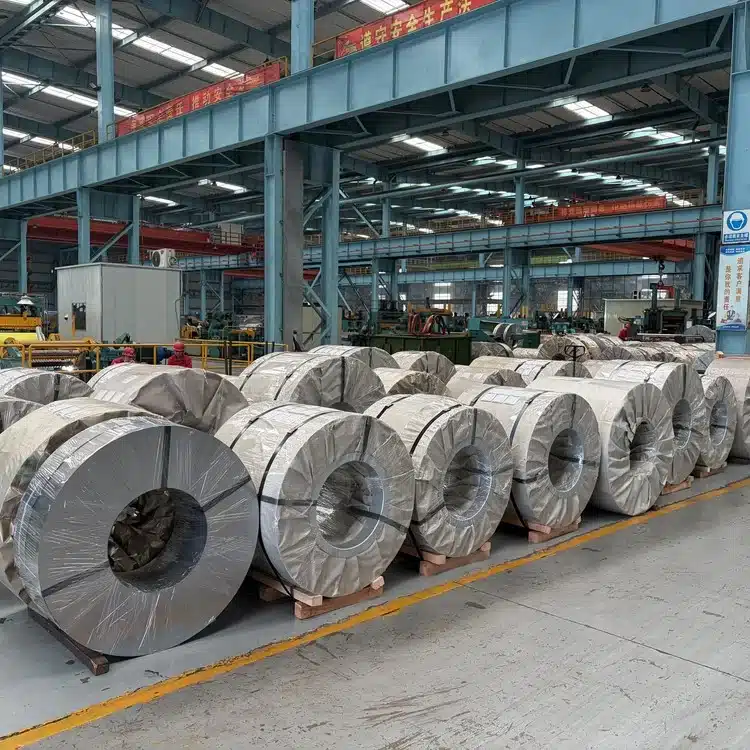
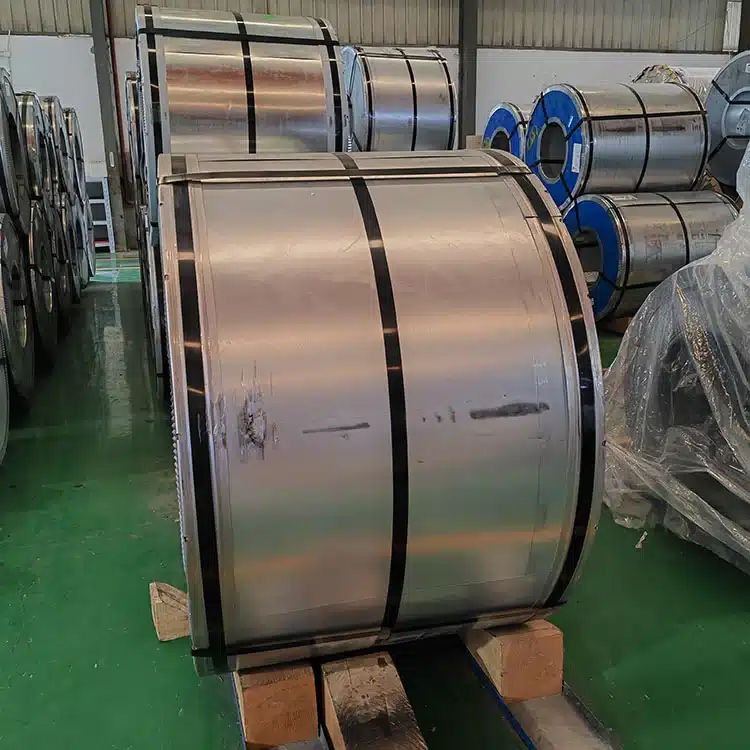
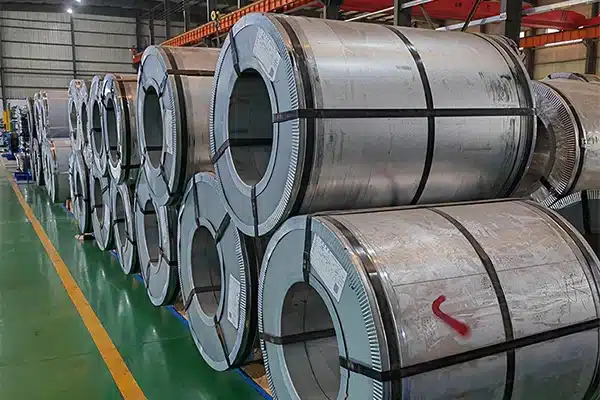
Close-up of coiled cold-rolled grain-oriented electrical steel sheets stacked in an industrial facility
Knowledge

How CRGO Coil Is Made: 6 Manufacturing Steps

A CRGO coil is grain-oriented electrical steel that has passed through six controlled stages — hot rolling, cold rolling, decarburization annealing, high-temperature purification annealing with an MgO separator, insulation coating, and (for Hi-B grades) laser domain refinement — before it’s slit and shipped. Each stage sets a specific number on your mill test certificate: skip

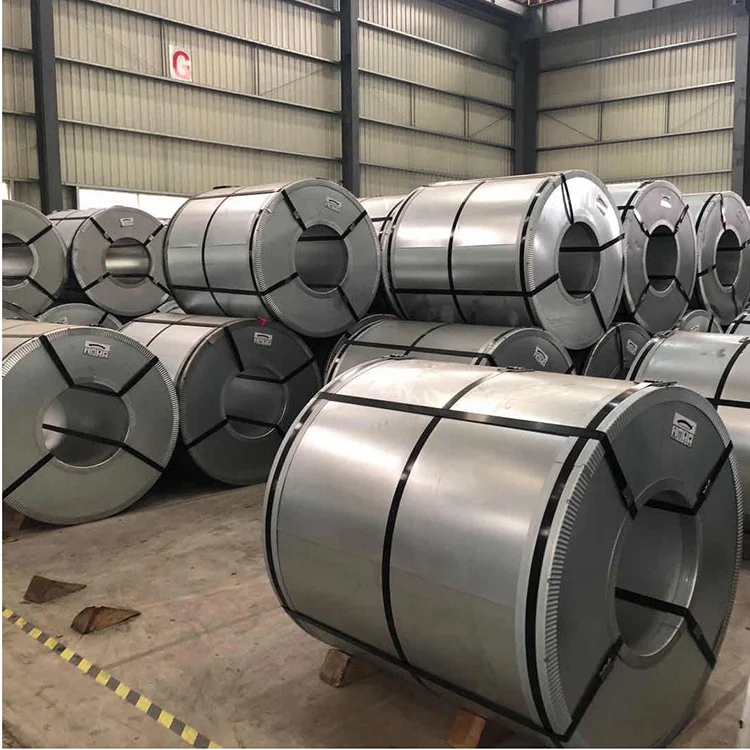
Two grain-oriented electrical steel coils side by side, one with a clean bright mill edge and one with a darker oiled and edge-damaged surface
Knowledge

Prime vs Secondary CRGO: How to Tell What You’re Actually Buying

Prime CRGO is first-quality mill coil, supplied with a per-coil EN 10204 3.1 mill test certificate and a guaranteed maximum core loss. Secondary CRGO — also sold as non-prime, “second and defective,” or lamination grade — is downgraded material: off-gauge or off-chemistry coil, edge trim and slit remnants, re-rolled stock, or sheet reclaimed from scrapped

Scroll to Top