Knowledge

Knowledge

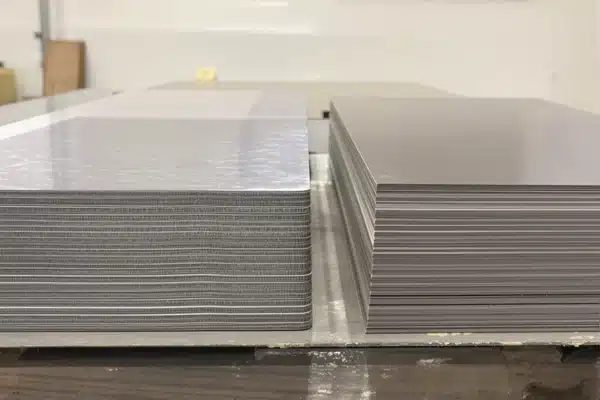
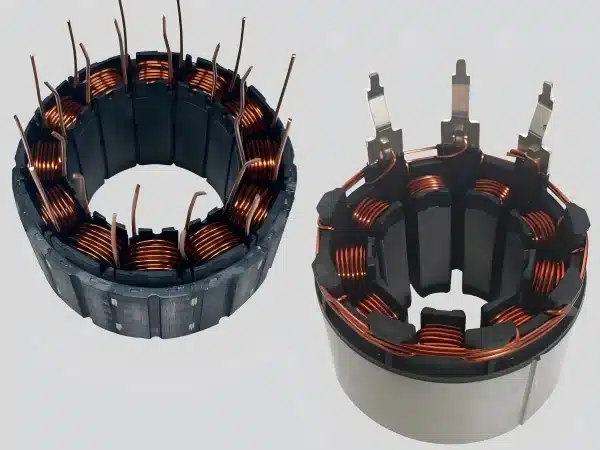
Ultra-Thin Silicon Steel for EV Motors: Why Sub-0.20 mm Gauges Are the New Standard

The electric vehicle revolution is rewriting the specification book for motor materials. Where industrial motors running at 50 Hz were well-served by 0.35–0.50 mm non-oriented electrical steel, EV traction motors operating at 400–2,000 Hz demand gauges ten times thinner — and the material science behind that requirement changes everything about how silicon steel is selected, […]

Knowledge

CRGO Steel Price in 2026: 7 Factors Driving Grain-Oriented Silicon Steel Costs — and What Buyers Can Do About It

Grain-oriented silicon steel (CRGO) prices have increased approximately 40–70% since 2020, according to BusinessAnalytiq’s Grain-Oriented Electrical Steel Price Index. For transformer manufacturers, this is not an abstract market trend — it directly compresses margins and complicates fixed-price project bids. This article explains precisely why CRGO costs what it does, what will drive prices over the

Knowledge

CRGO vs CRNGO Electrical Steel: Key Differences, Applications & Selection Guide

Choosing between CRGO and CRNGO electrical steel is one of the most consequential material decisions in transformer and motor design — and the wrong choice can increase core loss by 3 to 6 times. This guide breaks down every meaningful difference between Cold-Rolled Grain-Oriented (CRGO) steel and Cold-Rolled Non-Grain-Oriented (CRNGO) steel, so you can select

Outdoor three-phase oil-immersed power transformer installed in an electrical substation for grid voltage regulation.
Knowledge

How to Select Silicon Steel Grade? A Practical Guide for Motor and Transformer Manufacturers

Selecting the correct silicon steel (electrical steel) grade directly affects core loss, temperature rise, energy efficiency class, and total lifecycle cost of motors, transformers, and inductors. With multiple variables – non-oriented vs. grain-oriented, thickness, coating, core loss values – a systematic selection method is essential. Wuxi Zhongxin Special Steel Co., Ltd. has over ten years

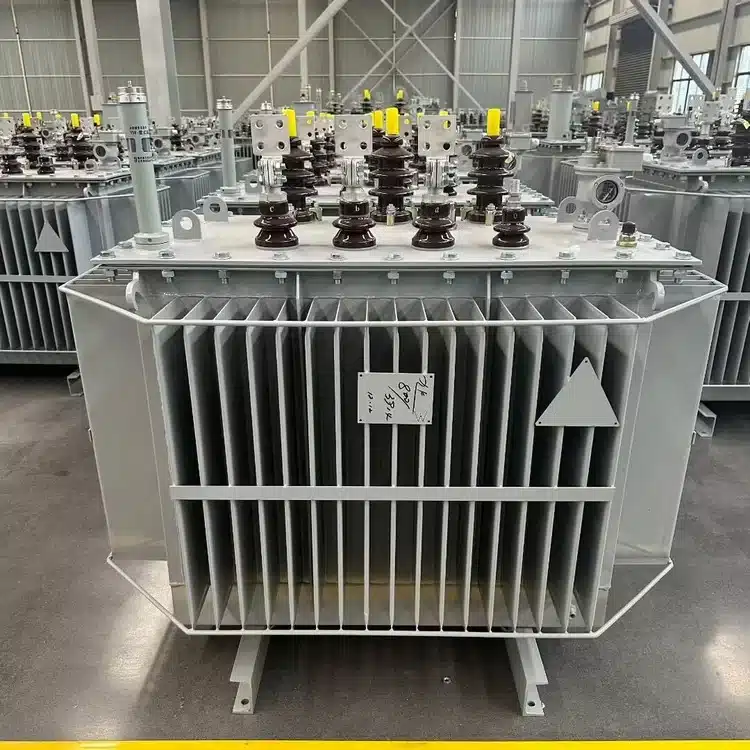
Oil-immersed 10kV distribution transformer built with Hi-B grain-oriented silicon steel core
Knowledge

Which Silicon Steel Should You Use for Transformers? A Practical Selection Guide

The global push toward AI data centers, renewable integration, and grid modernization has stretched transformer delivery lead times to three to five years in many markets. At the heart of every transformer sits a deceptively humble material — silicon steel — and overnight, it has been repriced from “ordinary industrial commodity” to “strategic resource.” But

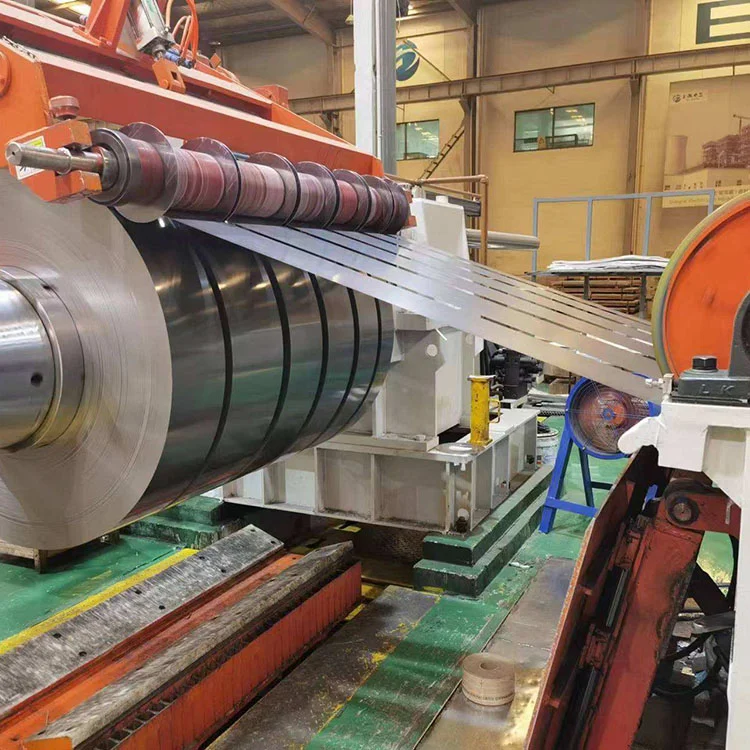
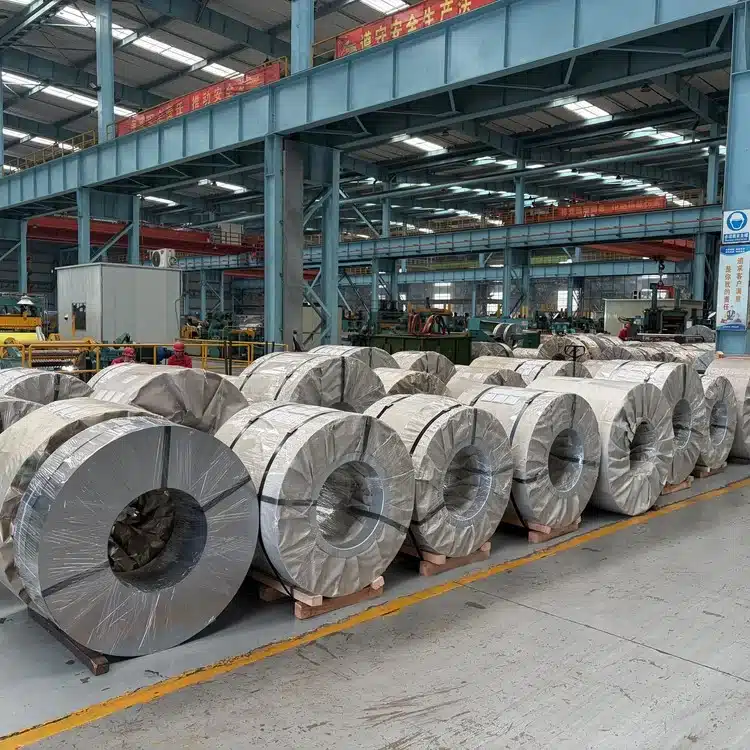
Electrical Steel Coil
Knowledge

Grain-Oriented vs. Non-Oriented Electrical Steel: 3 Key Differences — 2026 Purchasing Guide

Magnetic Anisotropy: Grain-oriented silicon steel exhibits strong magnetic anisotropy, characterized by extremely high magnetic permeability and very low iron loss in the rolling direction; non-oriented silicon steel, conversely, possesses isotropic magnetic properties that are uniform in all directions.   Silicon Content: Grain-oriented silicon steel features a relatively high silicon content (approximately 3.0% to 3.5%), whereas

Widely-recognized-as-a-key-material-in-electrical-engineering.
Knowledge

What is Grain-oriented Silicon Steel?

Grain-Oriented Silicon Steel (GOES Steel) is a high-end variety of electrical steel, also known as cold-rolled grain-oriented silicon steel. Electrical steel is an indispensable soft magnetic material in the power industry, mainly divided into two categories: grain-oriented silicon steel and non-oriented silicon steel. Through special rolling and heat treatment processes, grain-oriented silicon steel achieves a

Grain-Oriented Electrical Steel Inspection Feedback
Knowledge

What is Non-oriented Silicon Steel?

Non-Oriented Silicon Steel (N.O. Si Steel), also known as non-oriented electrical steel, is typically supplied in coils and sheets and can be processed by stamping, shearing, punching, laminating, welding, etc. It is an iron-silicon alloy with a silicon content of 0.5%–4.5%. After special rolling and heat treatment processes, it exhibits a uniform grain orientation distribution

Scroll to Top