Knowledge

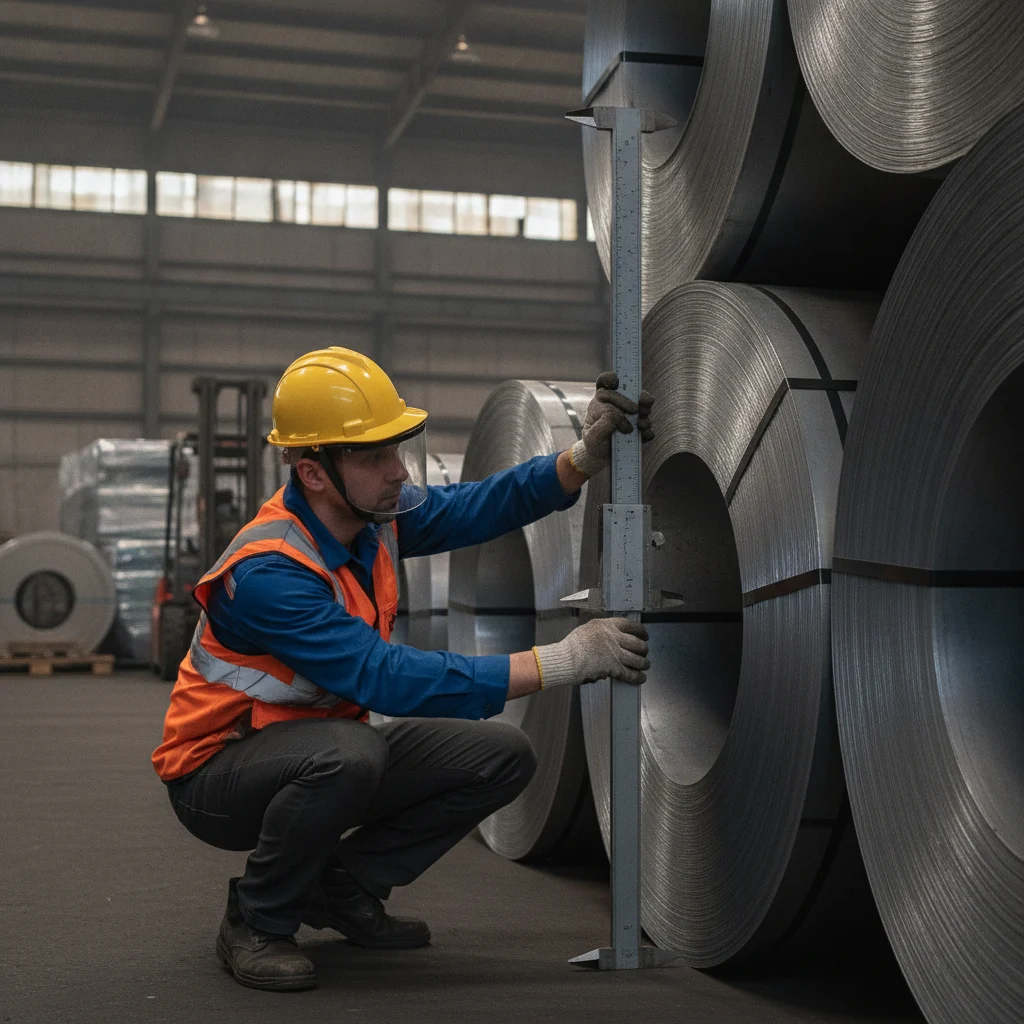
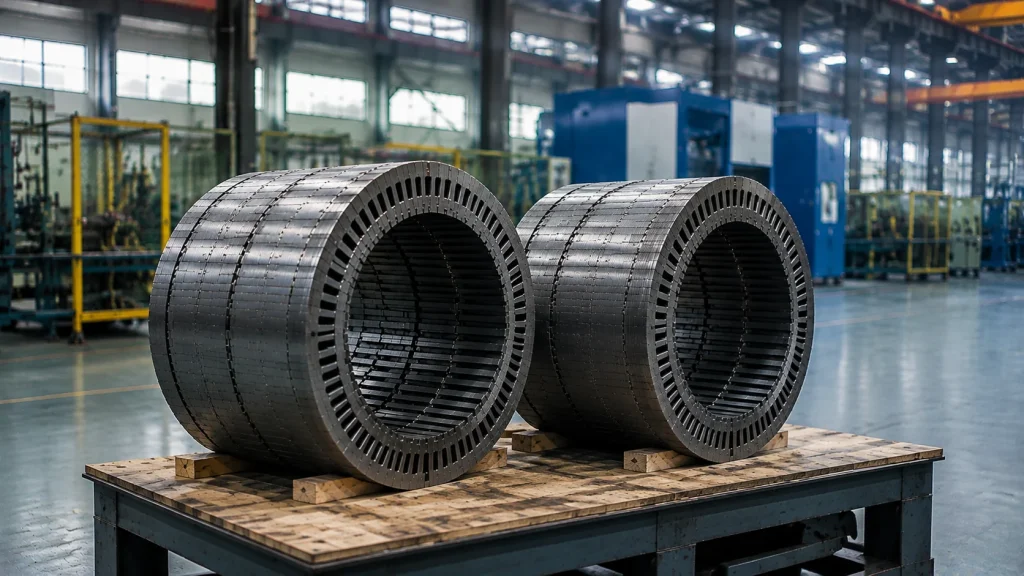
CRNGO electrical steel stator cores used for diesel and gas generator manufacturing in industrial workshop
Knowledge

Genset Core Steel: CRNGO Selection Guide

Key Takeaways Why Gensets Run on CRNGO, Not CRGO A generator set alternator has a rotor spinning inside a stator core, and the magnetic field inside that stator rotates with it — constantly changing direction as the rotor turns. That’s the opposite condition from a transformer core, where flux flows predictably in one direction and
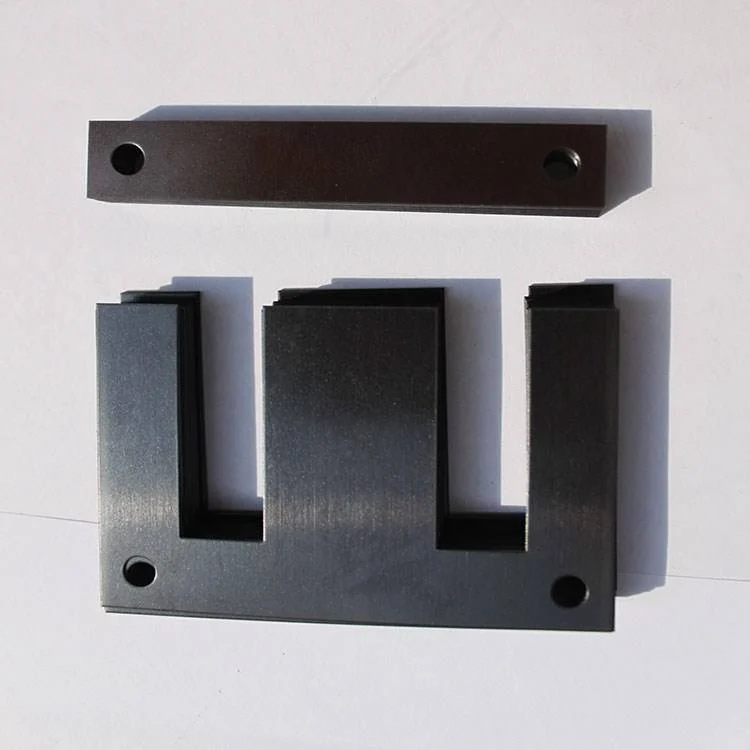
EI-type electrical steel laminations showing coating and stacking factor
Knowledge

Lamination Stacking Factor in Transformer Cores

Key Takeaways What Stacking Factor Actually Measures Lamination stacking factor is the ratio of the actual volume of magnetic steel in a laminated core to the total physical volume of the stack, expressed as a percentage. A stack at 96% stacking factor is 96% steel. The remaining 4%? Coating, air gaps between laminations, and surface

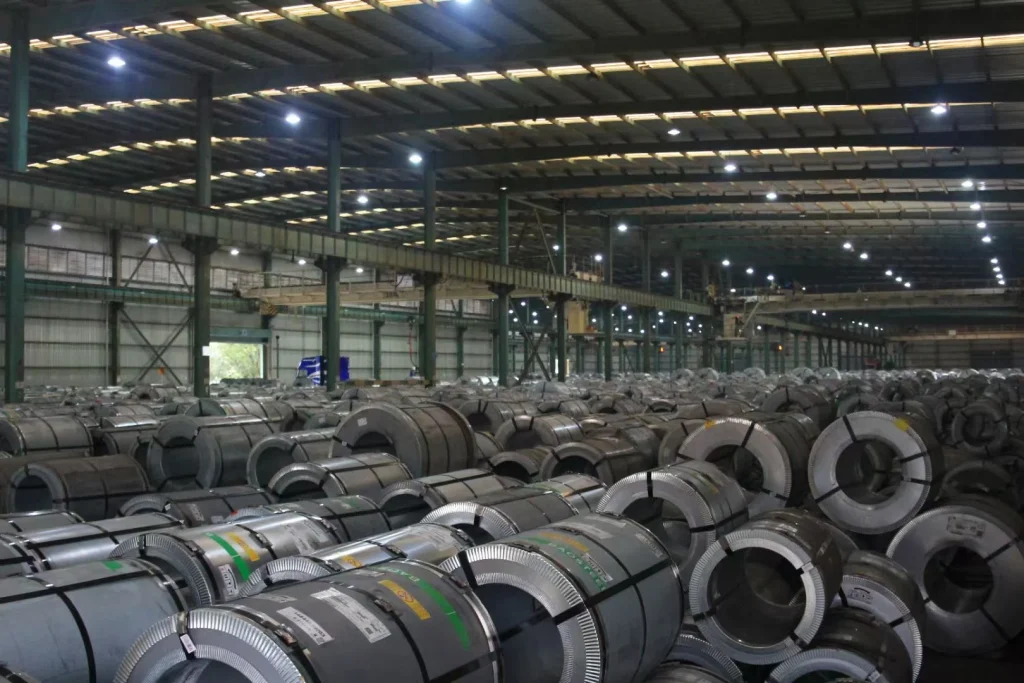
Electrical steel coils stored in warehouse for GB JIS EN AISI grade comparison
Knowledge

Electrical Steel Grade Equivalents (GB/JIS/EN/AISI)

Key Takeaways Why the Same Steel Has Four Different Names Electrical steel grade equivalents are cross-reference codes that let a buyer match a Chinese GB/T 2521 grade to its closest Japanese JIS, European EN, or American AISI counterpart, based on matching thickness and core loss values. They exist because four regions developed electrical steel standards

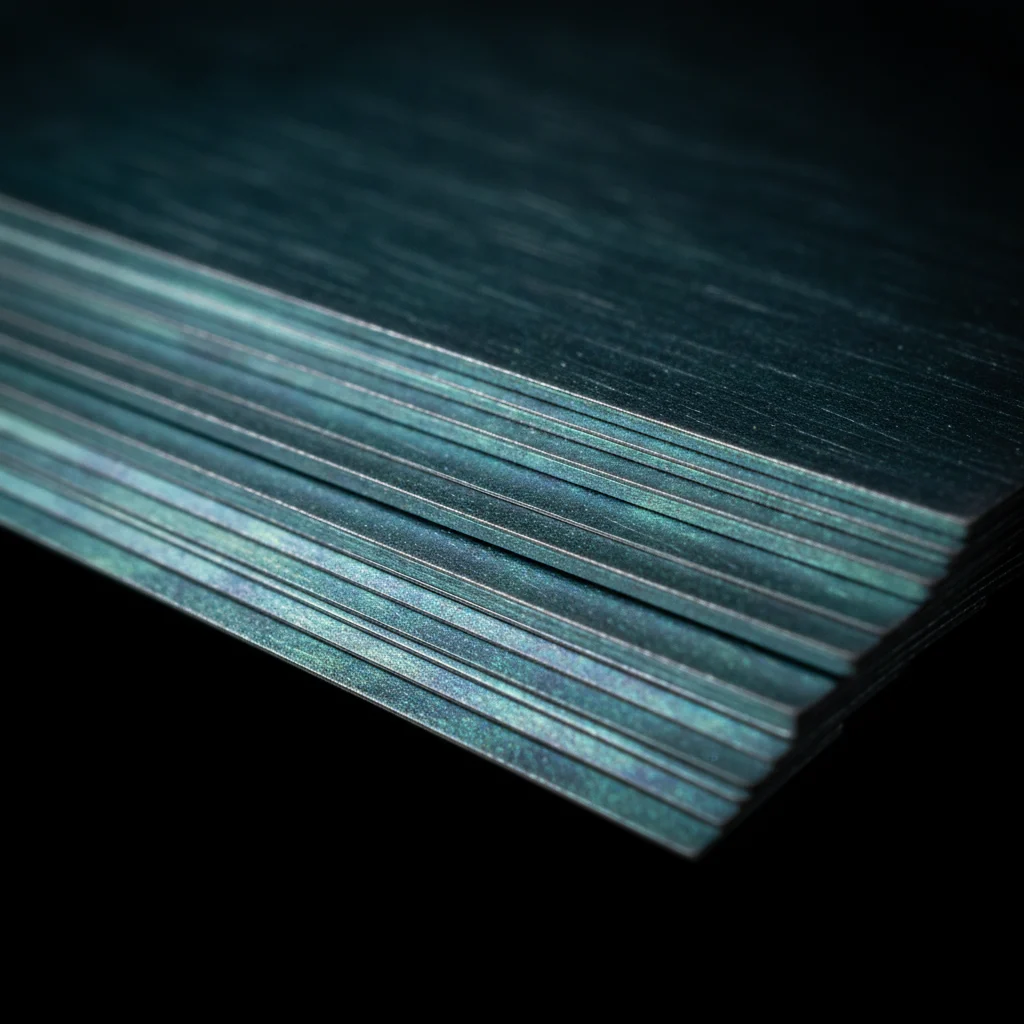
Stacked electrical steel laminations showing insulated coating layers for C-2 and C-5 coating applications
Knowledge

Electrical Steel Coatings: C-2 vs C-5 Explained

Grade, thickness, core loss ceiling, down to the decimal point. Coating designation: left blank, “whatever’s standard.” That was one customer’s RFQ last quarter, and we had to circle back before quoting, because “standard” varies enough between applications that guessing wrong wastes both our time. The coating on a stack of laminations does real work —

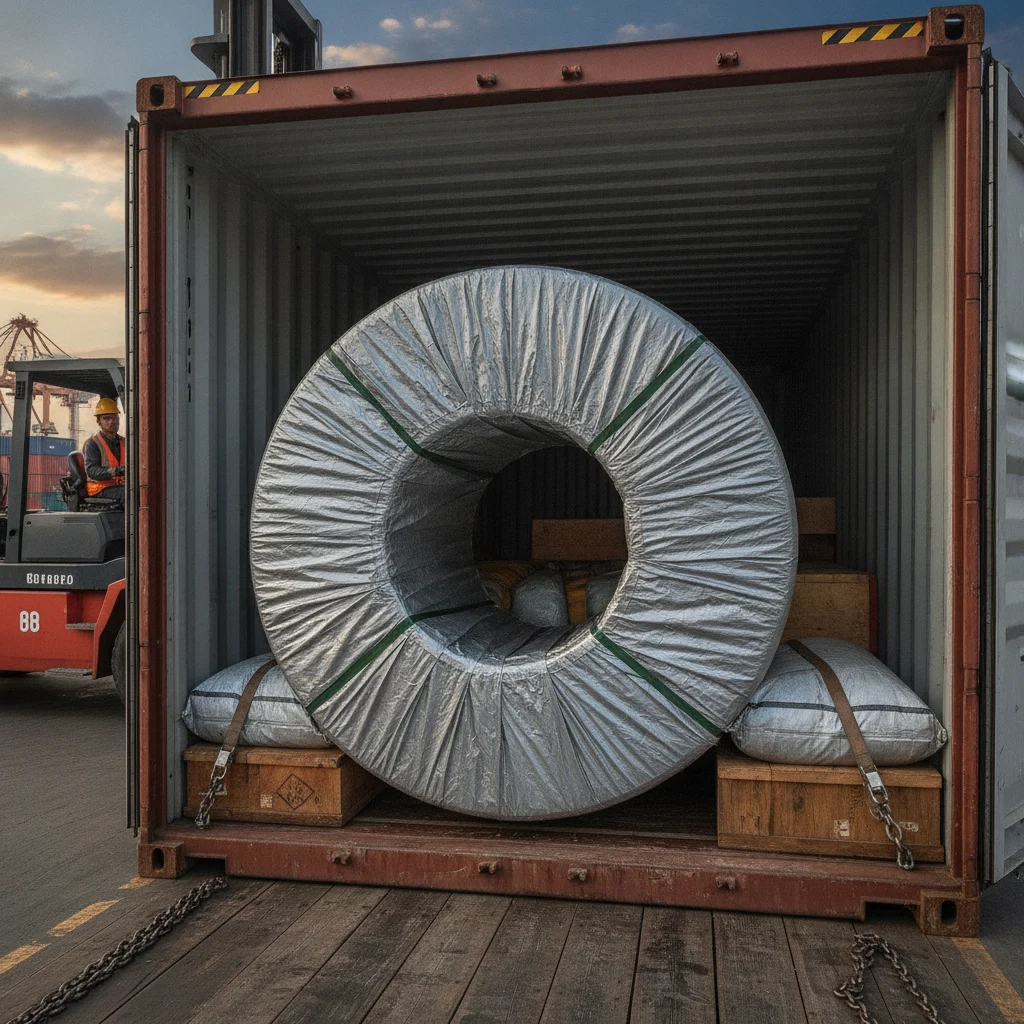
Electrical steel coil secured inside shipping container for export transportation
Knowledge

Packing and Container Loading for Steel Coil

A damage claim photo told the whole story before we’d even read the description. A coil, clearly rolled during transit, resting sideways against a container wall it was never supposed to touch. The packaging was fine, actually. Proper moisture wrap. Correct edge protection. What failed was securement — nobody chocked or braced that coil against

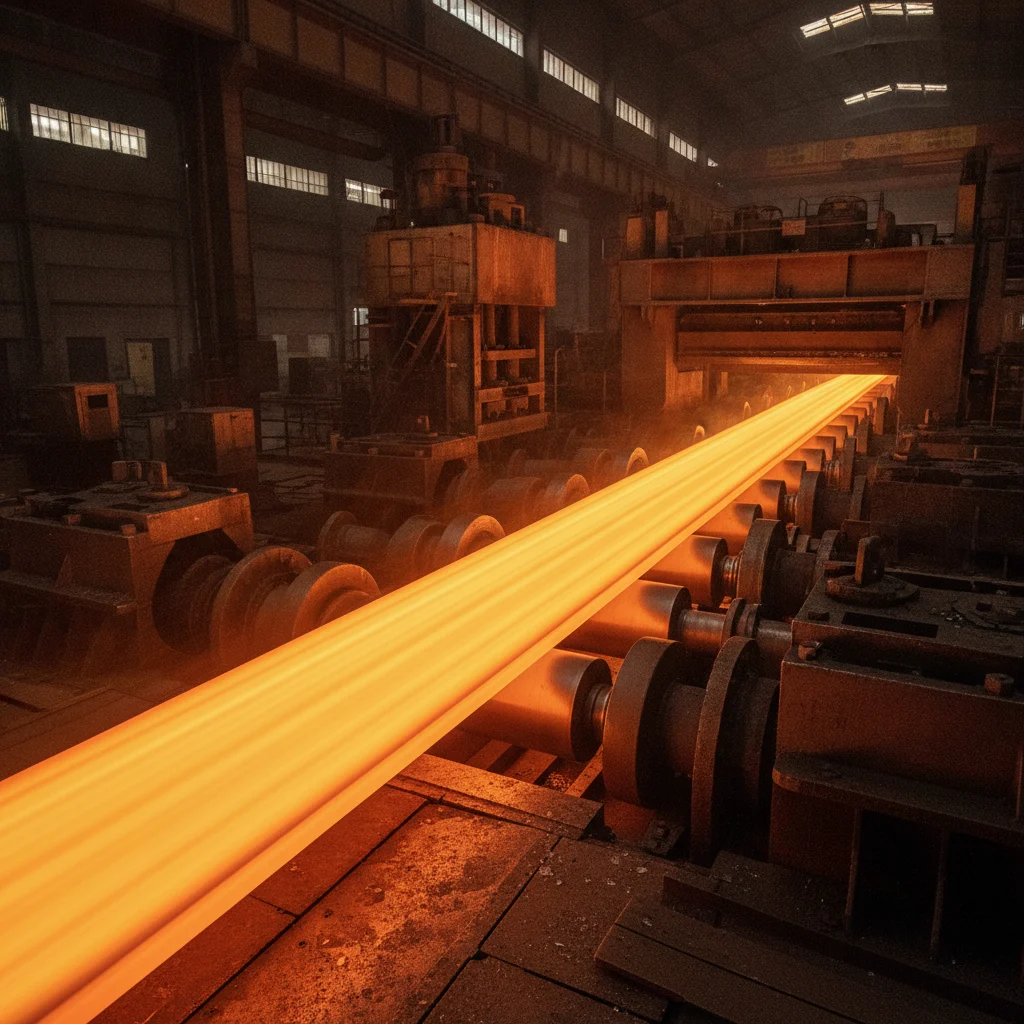
Custom electrical steel production line showing a hot steel strip moving through a rolling mill
Knowledge

Lead Times and MOQ for Custom Electrical Steel

A buyer once asked us to confirm a 10-day lead time for a custom-slit CRGO order — a number they’d gotten from a general steel trading site, not from a mill actually quoting the specific job. We had to explain, politely, that custom orders don’t move at commodity-steel speed. Standard coils off the shelf can

Inspector measuring electrical steel coils during third-party inspection before shipment
Knowledge

SGS vs BV vs TUV: Steel Inspection Compared

“Which one’s the best — SGS, Bureau Veritas, or TÜV?” A first-time buyer asked us that last month. Wrong question. Fair question to start with, honestly, but wrong one. All three are legitimate. All three do pre-shipment inspection competently. Picking between them comes down to your specific certification needs and where your equipment ends up

IE4 motor electrical steel core with copper winding showing efficiency upgrade requirements
Knowledge

IE3 vs IE4 Motor Efficiency: Steel Spec Impact

IE3 (Premium Efficiency) and IE4 (Super Premium Efficiency) are motor efficiency classes defined by IEC 60034-30-1, each setting a minimum efficiency percentage that induction motors must hit at a given power rating and pole count. IE4 sits one full class above IE3, and the gap between them is closed almost entirely by cutting core loss

Solar inverter transformer with CRGO electrical steel core in photovoltaic power plant
Knowledge

Solar Inverter Transformers: Why CRGO, Not CRNGO

A buyer once lumped solar and wind into a single RFQ line: “renewable energy grade electrical steel,” one spec for both. It doesn’t work that way. We had to split the quote into two before we could even price it. Wind turbine generators are rotating machinery, so they land in the CRNGO camp with every

Scroll to Top