Worker in safety vest reviewing shipment paperwork on a clipboard before sign-off
Knowledge

EN 10204 3.1 vs 3.2 for Electrical Steel MTCs

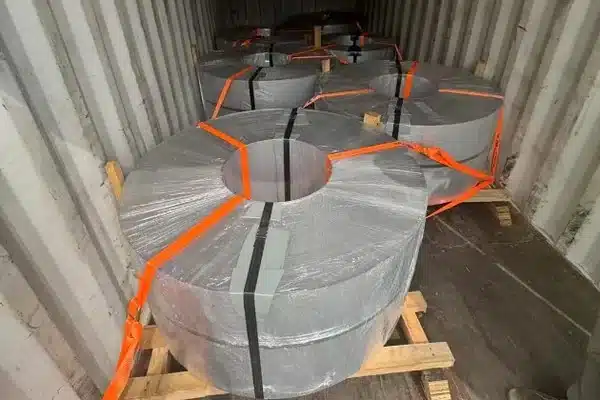
A 3.2 certificate isn’t a “better” 3.1 — it’s a 3.1 with a second, independent signature added on top. Both report the same test results for the same coil; the difference is who is allowed to vouch for those numbers, not what got measured. For electrical steel, that mill test certificate (MTC) is what turns

Widely-recognized-as-a-key-material-in-electrical-engineering.
Knowledge

What Is Grain-Oriented Silicon Steel? Definition, Grades, Iron Loss & B8 Data

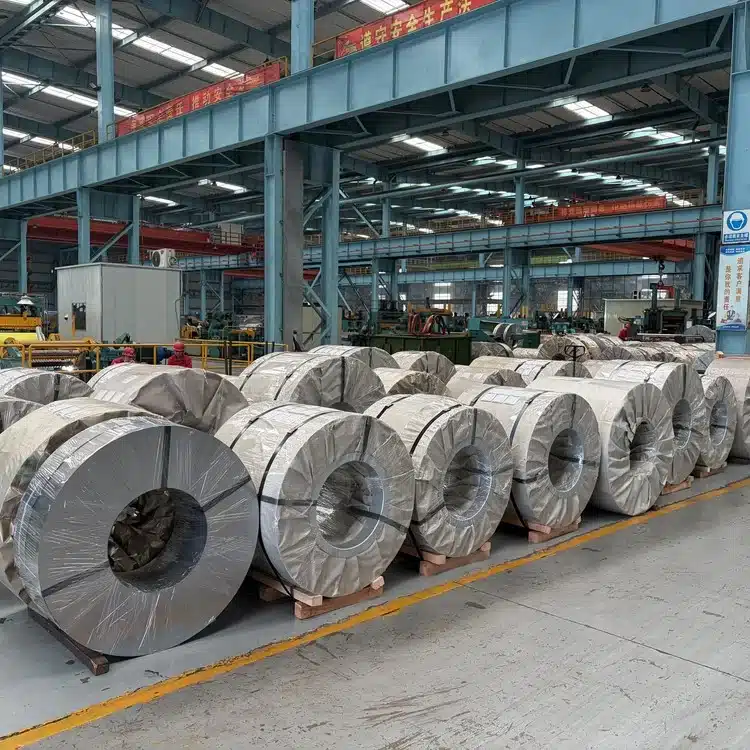
Most buyers asking “what is grain-oriented silicon steel” already have a transformer core spec in front of them and a supplier quoting a grade code they don’t fully trust. Fair enough — the short answer is this: grain-oriented silicon steel (GOES, also called CRGO — cold-rolled grain-oriented electrical steel) is a 3.0–3.5% silicon-iron alloy rolled

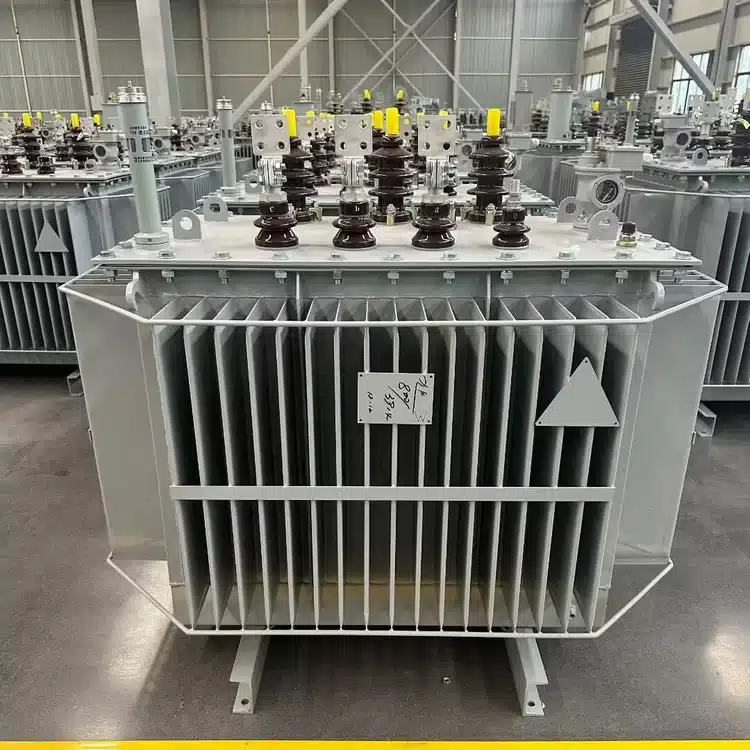
A three-phase oil-immersed distribution transformer core and tank assembly on a factory floor, bushings and conservator fittings mounted on top
Knowledge

Hi-B vs Standard CRGO: DOE 2029 Payback Math

Hi-B grain-oriented steel costs more than standard CRGO for the same thickness. The question buyers actually need answered isn’t which one is “better” — it’s whether the core-loss savings pay back the premium fast enough to matter for a specific transformer. This article works through that math with real numbers from our own standard and

Scroll to Top