“Which one’s the best — SGS, Bureau Veritas, or TÜV?” A first-time buyer asked us that last month. Wrong question. Fair question to start with, honestly, but wrong one. All three are legitimate. All three do pre-shipment inspection competently. Picking between them comes down to your specific certification needs and where your equipment ends up — not some general quality ranking where one wins. Here’s what each actually does, what a typical inspection covers, and what it costs — one more risk-control layer in the sourcing process we map out in our buyer’s guide to sourcing electrical steel from China.
Core Key Points
- SGS, Bureau Veritas (BV), and TÜV are all internationally recognized third-party inspection agencies used routinely for electrical steel shipments out of China. SGS alone has been inspecting shipments since 1878 — none of the three is inherently “better” for general QC.
- Standard steel coil or plate inspection in China typically runs USD 200-500 per visit with SGS or BV, according to industry sourcing data. A rounding error against most shipment values.
- The costly mistake, and we see it constantly: buyers bring in SGS or BV only after production is finished. By then a material or dimensional problem leaves you with three bad options — reject, renegotiate, or accept it and hope.
- Pre-shipment inspection is standard operating procedure on most international steel orders. Its real value is cutting the risk of paying the final balance on goods that don’t match what you ordered.
- The SGS-vs-BV-vs-TÜV decision in practice usually comes down to one thing: which agency your destination country’s regulators or your own procurement policy already recognizes. Not a meaningful quality gap between the three.
What Pre-Shipment Inspection Actually Checks
A standard pre-shipment inspection for electrical steel typically verifies:
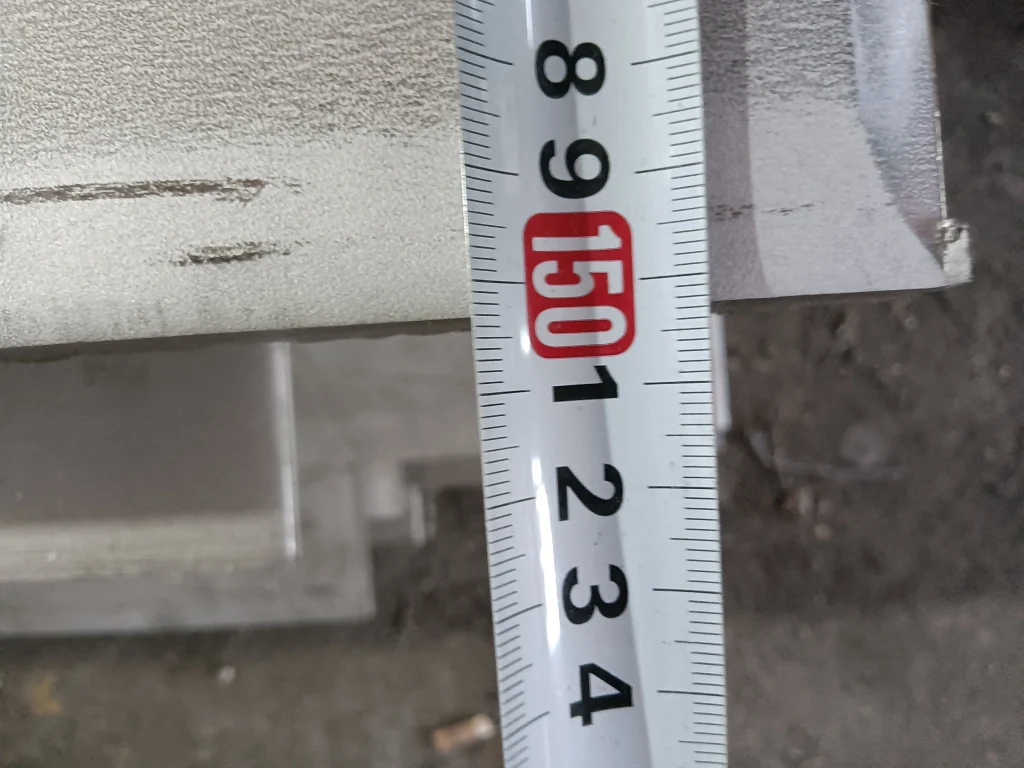
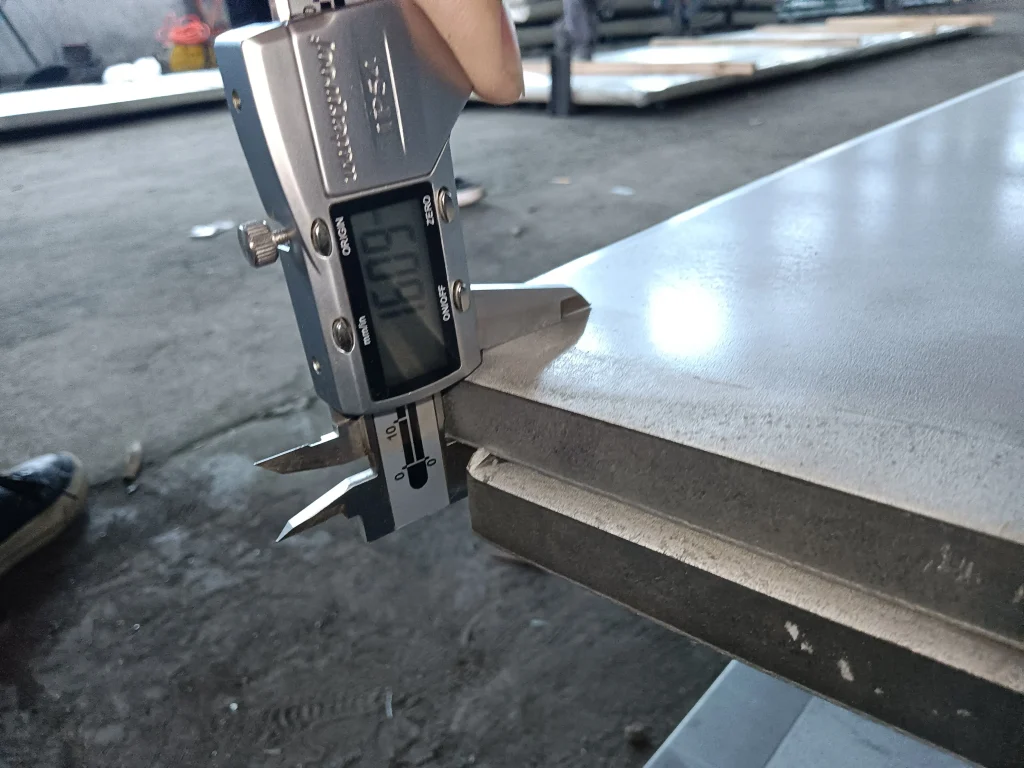
- Dimensional conformance — thickness, width, coil weight against the purchase order
- Visual condition — surface defects, coating condition, packaging integrity before loading
- Documentation cross-check — confirming the MTC’s heat number matches the physical material, test results align with what was ordered
- Quantity verification — actual shipped quantity against invoice and packing list
- Packaging adequacy — whether export packaging can survive the transit method being used
The inspector isn’t re-running full metallurgical tests on-site, most of the time. They’re checking that what’s being loaded matches what was ordered and certified, and flagging what doesn’t.
SGS, Bureau Veritas, and TÜV: How They Differ in Practice
All three are internationally recognized. All three have coverage across China’s major manufacturing regions. All three perform standard pre-shipment inspection competently. The practical differences that actually matter:
| Agency | Notable Strength | When It Matters Most |
|---|---|---|
| SGS | Broadest global network, operating since 1878 | Buyers needing consistent global coverage across multiple supplier countries |
| Bureau Veritas (BV) | Strong recognition across European regulatory frameworks | Buyers whose destination market has BV-specific certification requirements |
| TÜV | Strong technical/engineering-standard recognition, especially German-influenced industrial standards | Automotive-adjacent or engineering-standard-heavy supply chains |
If your company or destination country doesn’t specify a required agency, honestly, any of the three does a competent standard inspection. The decision usually gets made for you by what your customer or regulator already recognizes.
Typical Costs
A standard steel coil or plate inspection in China: USD 200-500 per visit with SGS or BV, per industry sourcing data. That’s a small number relative to the shipment it’s protecting — easy to justify on anything past a trivial order size, and genuinely hard to argue against once you’ve priced out what a bad shipment actually costs to unwind.
Bring the Inspector In Before Fabrication, Not After
Here’s the mistake, worth naming directly: plenty of overseas buyers only engage SGS, BV, or another agency once production is already finished and goods are ready to ship. At that point, if there’s a material or dimensional issue, your options shrink to rejection, renegotiation, or eating the deviation.
Bring an inspector in earlier — during raw material verification, or mid-production — and you catch problems while there’s still room to fix them, instead of after the coil’s already rolled and slit to final spec. Costs a bit more in visits. Cheap, next to the cost of a rejected shipment discovered at the very end.
FAQ
Is SGS, BV, or TÜV better for inspecting electrical steel shipments?
None is inherently better for standard steel QC. All three are internationally recognized and competent. The right choice usually depends on which agency your destination market’s regulators or procurement policy recognizes.
How much does third-party inspection typically cost?
Standard steel coil or plate inspection in China typically runs USD 200-500 per visit with agencies like SGS or BV — modest relative to the value of most shipments.
When should I schedule a third-party inspection?
Ideally before or during production, not only at pre-shipment. Catching a material or dimensional issue mid-production leaves room to correct it; catching it after the goods are finished limits you to rejection, renegotiation, or accepting the deviation.
What does a pre-shipment inspection actually check?
Dimensional conformance, visual/surface condition, documentation cross-check against the MTC and purchase order, quantity verification, and packaging adequacy for the transit method being used.
If you’re placing a first order with a new supplier and haven’t budgeted for inspection at all, ask us which agency makes sense for your destination market before anything else on this list. A few hundred dollars for a mid-production check is cheap insurance against a shipment nobody outside the mill looked at before it was already loaded.