Core Key Points
- A representative EV traction motor order specifies ultra-thin CRNGO, thickness 0.10-0.20mm, targeting low core loss at the high operating frequencies traction motors actually run at — thinner gauges reduce eddy-current loss at frequency, which is the whole reason this product exists.
- Chinese steel and aluminum carry Section 232, Section 301, and Section 122 tariffs stacked together, with effective rates that can clear 65% before the standard MFN duty applies — get a landed-cost quote that accounts for the full stack.
- ISF (“10+2”) filing is due 24 hours before the vessel departs the origin port, and missing or late filings carry fines up to $5,000 per violation — the deadline runs on the sailing schedule in China, not anything happening stateside.
- A customs bond is required for formal entries of $2,500 or more, with a minimum continuous bond of $50,000 or 10% of trailing-12-month duties, whichever is larger — many bonds sized for pre-2026 rates became insufficient once the tariff stack rose.
- Rail-destined containers through LA/Long Beach averaged 5.06 days of dwell time in April 2026, down substantially from the two-year peak of 9.86 days in October 2024, but still a real scheduling variable for a 20-tonne, time-sensitive EV production order.
Order Profile: Ultra-Thin CRNGO for EV Traction Motors
EV traction motors run at operating frequencies well above the 50/60Hz of grid-connected transformers and appliance motors, and eddy-current losses scale with the square of frequency — which is why traction motor designs push toward the thinnest gauge the manufacturing process and budget can support (we cover the thickness-frequency tradeoff in more depth in our ultra-thin silicon steel guide). A representative 20-tonne order for this application looks different from a transformer-core or appliance-motor order in almost every line:
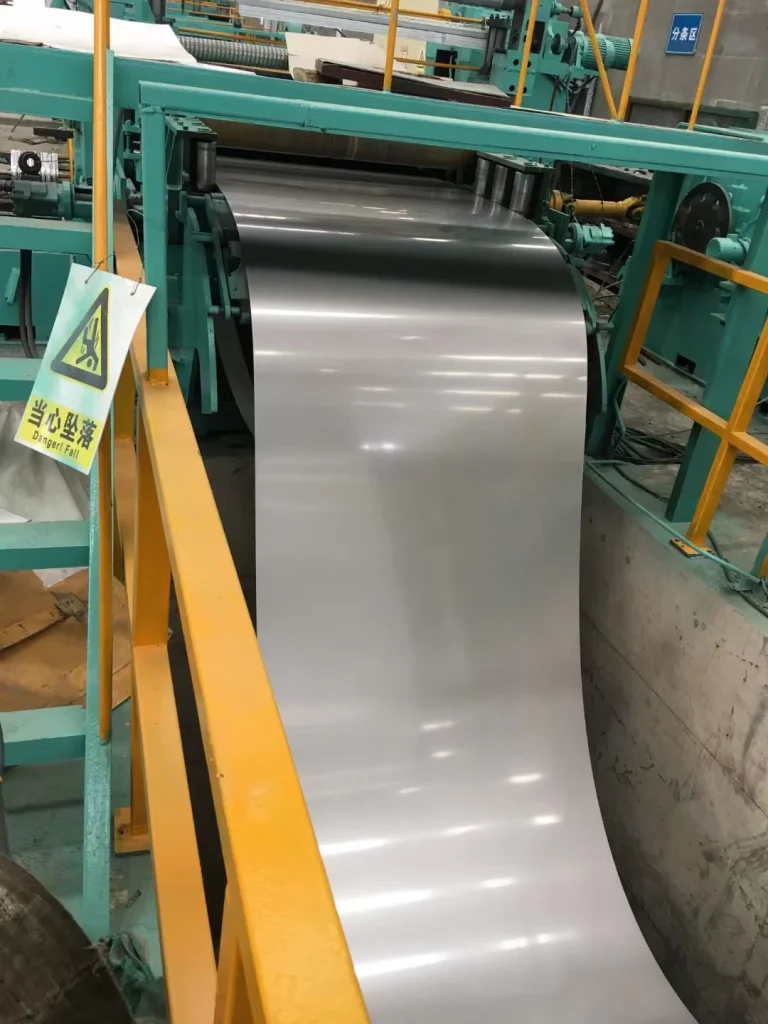
- Product: Ultra-Thin Cold-Rolled Non-Grain-Oriented Electrical Steel (Ultra-Thin CRNGO)
- Order Size: 20 tonnes (smaller than transformer-core orders — ultra-thin gauges have lower yield per production run)
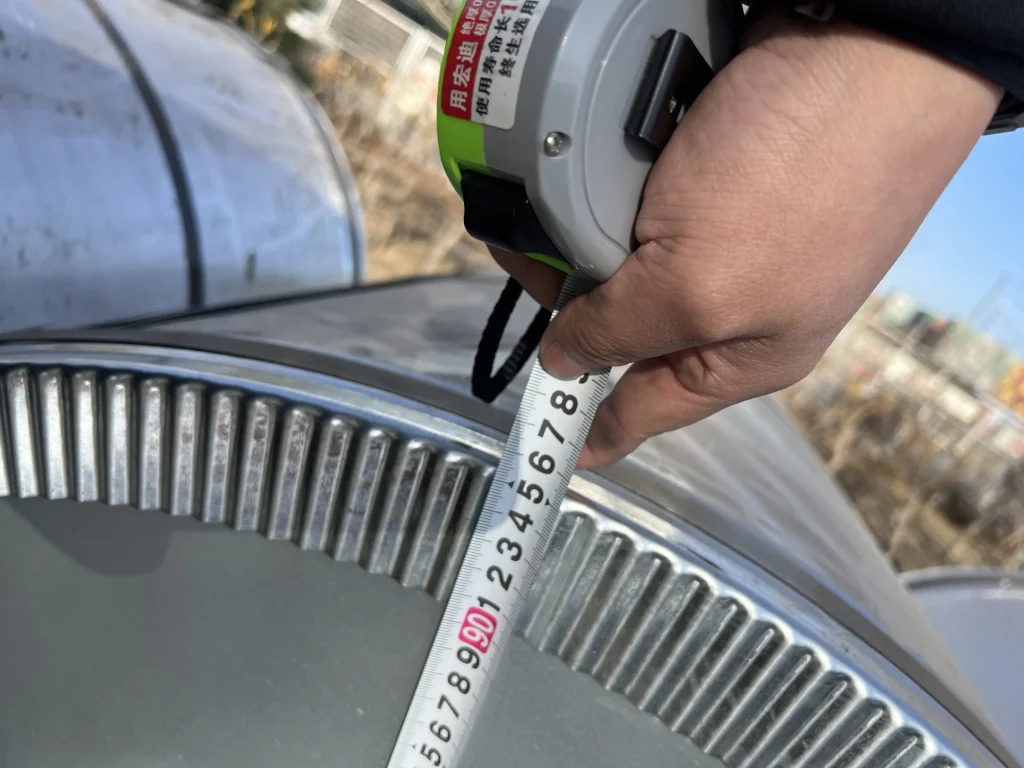
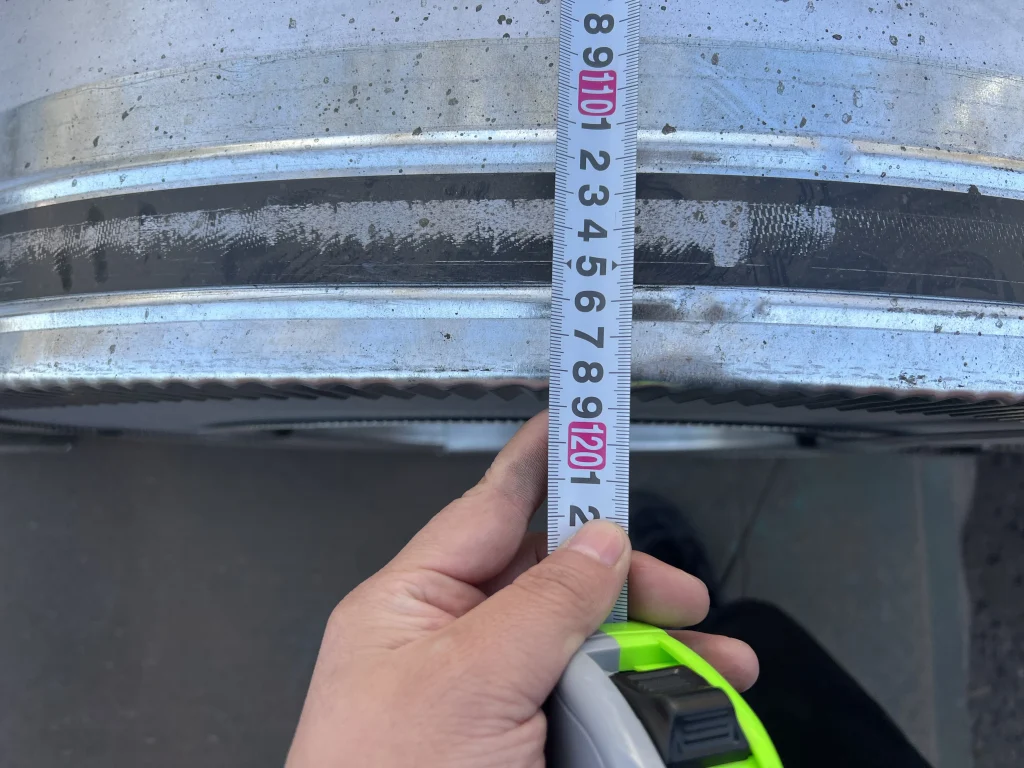
- Thickness: 0.10-0.20mm, selected against the motor’s actual operating frequency
- Magnetic Induction: 1.5-1.7T (varies with thickness and frequency target)
- Core Loss: frequency-dependent — specify the loss target at your actual operating frequency, not just at 50Hz, since ultra-thin grades are optimized for high-frequency performance in ways a 50Hz spec won’t capture
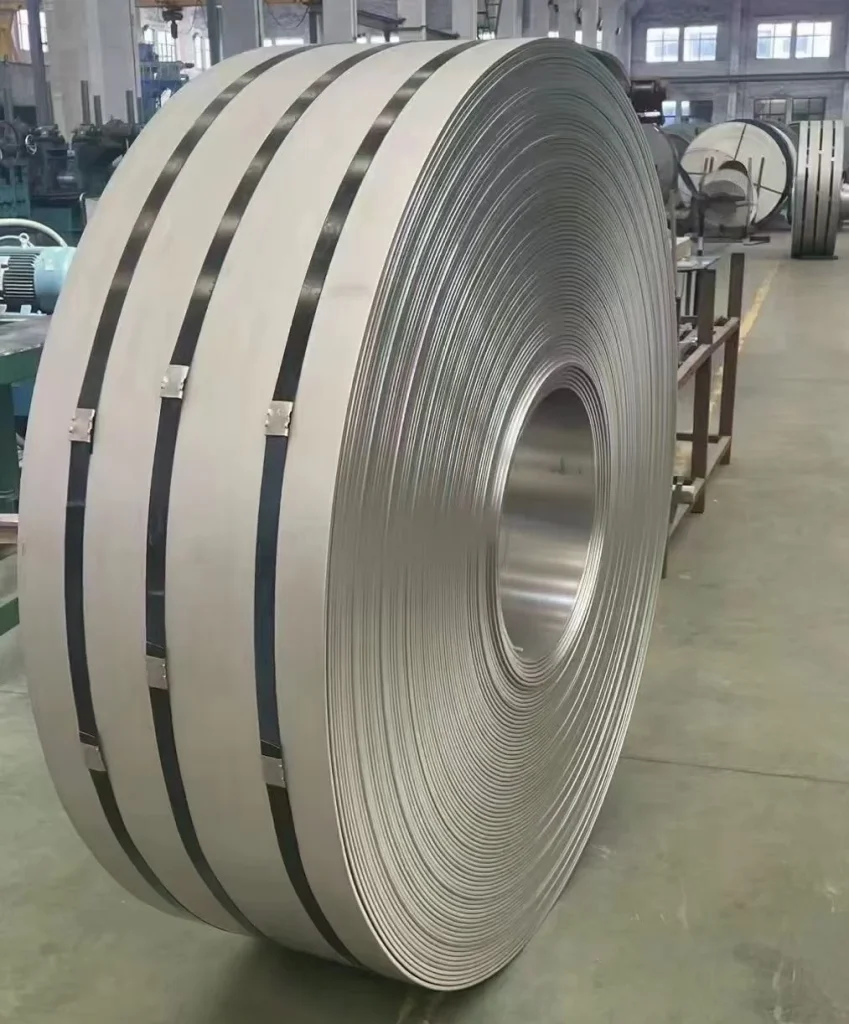
- Coil Weight: 1-3 tonnes — ultra-thin coils run lighter per coil than standard-gauge orders
- Inner Diameter: 508mm standard
- Delivery Time: 35-45 days — ultra-thin gauges have tighter rolling tolerances and lower throughput than standard CRNGO
- Trade Term: FOB Shanghai/Ningbo standard
- Documentation: Mill Test Certificate (EN 10204 3.1 or 3.2), HTS classification matched to current tariff actions
The mistake we see most often on this order type: buyers specify thickness alone and assume that’s sufficient. Two coils at the same 0.15mm thickness can perform very differently at 400Hz depending on how the mill optimized the grain structure and coating for high-frequency operation — ask for the loss curve at your actual operating frequency, not just the 50Hz nameplate number.
Quality Inspection
Testing follows the same Epstein-frame discipline (IEC 60404-2) as every other grade we ship, through our CNAS-accredited lab under ISO 9001 and IATF 16949 — and IATF 16949 actually matters on this order type specifically, since ultra-thin CRNGO for EV traction motors sits squarely in an automotive supply chain, unlike appliance-grade CRNGO. Each coil’s Mill Test Certificate reflects measured values at the coil level, not a batch average.
See our EN 10204 3.1 vs 3.2 guide for certificate format, and our third-party inspection comparison if your automotive customer’s quality system requires independent SGS, BV, or TÜV verification before the container loads.
The Tariff Stack, ISF Filing, and Customs Bonds
Tariffs dominate the conversation on this route for good reason — Chinese steel and aluminum face Section 232, Section 301, and Section 122 tariffs stacked together, pushing effective rates above 65% before the standard MFN duty even applies. If a quoted landed cost doesn’t visibly account for the full stack, that’s worth clarifying before comparing it against our CRGO price benchmarks — a competitive mill price can still land at a much higher total cost once the tariff stack hits on the US side.
Two compliance requirements catch first-time importers specifically. ISF (“10+2”) has to be filed at least 24 hours before the vessel departs China — tied to the sailing schedule, not anything happening in the US — and missing it risks CBP fines up to $5,000 per violation. Customs bonds apply to formal entries of $2,500 or more, with a minimum continuous bond of $50,000 or 10% of trailing-12-month duties. A lot of bonds sized for pre-2026 rates quietly became insufficient once Section 232/301 stacking pushed effective duty rates higher — worth checking now rather than finding out mid-shipment.
After the Port: Rail Dwell and Packaging for This Route
Once this order clears customs, rail congestion at LA/Long Beach is the next variable worth tracking for time-sensitive EV production schedules. Rail-destined containers averaged 5.06 days of dwell time in April 2026, up slightly from 4.41 in March — a big improvement from the 9.86-day peak in October 2024, but still enough swing (roughly 4 to 10 days over eighteen months) that a fixed port-to-door estimate is a bad bet for a production line waiting on this material.
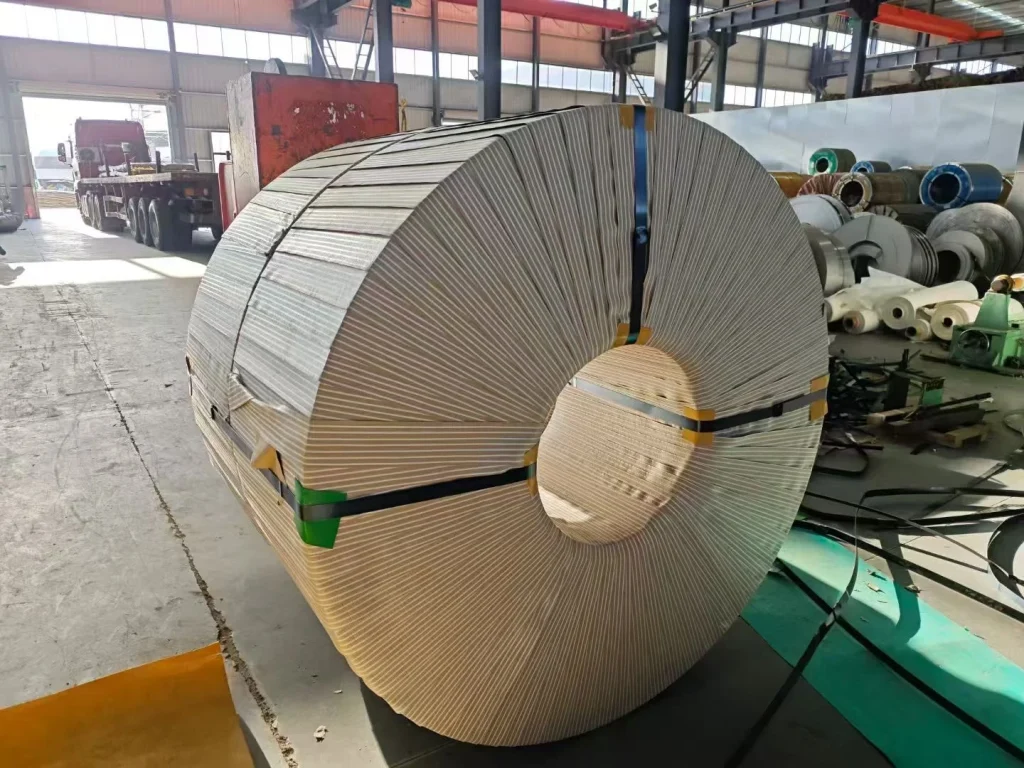
Physically, ultra-thin coils need strapping and securement rated for rail vibration, not just ocean transit — a spec built only around the ocean leg can underperform once the container transfers to rail. ISPM 15-compliant wood packaging applies here as everywhere else in the US, and standard VCI paper protection is adequate since North America doesn’t carry Southeast Asia’s sustained tropical humidity load.
Why Buyers Choose Zhongxin
- IATF 16949-certified quality system — relevant specifically for ultra-thin CRNGO feeding EV and automotive supply chains, not just a general certification we list.
- Loss data at your actual operating frequency, not just the 50Hz nameplate number that a generic spec sheet leads with.
- Documentation built for US customs realities — HTS classification, Mill Test Certificates, and ISPM 15 compliance handled as part of the order, not an afterthought.
- English-language technical support across time zones, so a question about high-frequency loss curves gets a direct engineering answer rather than a translation-lossy delay.
FAQ
What thickness should I specify for an EV traction motor order?
Ultra-thin CRNGO in the 0.10-0.20mm range is typical, selected against your motor’s actual operating frequency — thinner gauges reduce eddy-current losses that scale with frequency squared. Ask for the loss curve at your real operating frequency, not just a 50Hz spec.
How much do tariffs add to this kind of shipment?
Chinese steel and aluminum face Section 232, 301, and 122 tariffs stacked together, with effective rates that can exceed 65% before the base MFN duty, depending on HTS classification. Get a landed-cost quote covering the full stack before comparing supplier prices.
What happens if ISF filing is missed?
CBP can fine the importer up to $5,000 per violation. The filing is due at least 24 hours before the vessel departs the origin port, so the deadline depends on your supplier’s sailing schedule.
Is rail congestion still a concern for West Coast delivery in 2026?
Better than it was — dwell times improved from a 9.86-day peak in October 2024 to around 4-5 days through 2025-2026 — but the swing is large enough to warrant a schedule buffer for time-sensitive production orders.
If a quote for ultra-thin CRNGO only shows a 50Hz core loss number, ask for the loss curve at your actual operating frequency before you commit — that’s the number that actually determines motor performance.