A damage claim photo told the whole story before we’d even read the description. A coil, clearly rolled during transit, resting sideways against a container wall it was never supposed to touch. The packaging was fine, actually. Proper moisture wrap. Correct edge protection. What failed was securement — nobody chocked or braced that coil against forward-aft shift and sideways rolling, and an 8-ton coil doesn’t need much of a gap to start moving once a container’s pitching on ocean swell for two weeks straight. This is the last mile of the process we cover end-to-end in our buyer’s guide to sourcing electrical steel from China.
Core Key Points
- Coil damage splits into two failure categories: packaging failure (moisture, corrosion, surface scratching) and securement failure (the coil physically shifts or rolls). Different problems. Different fixes.
- Proper loading technique cuts cargo damage by roughly 35%, per industry loading guides — putting securement on par with, or ahead of, packaging quality as a driver of transit outcomes.
- Two loading methods dominate: eye-to-the-side (forklift rolls the coil in) and eye-to-the-sky (forklift lifts by the coil’s eye). The right choice depends on coil weight, diameter, and the container’s floor loading limits.
- Coils ship safely in standard containers now, and have for years, once properly packed and secured — an assumption the industry took a while to fully accept.
- Bracing has to stop three distinct failure modes: sideways rolling, forward/aft shifting, jumping. A plan covering two out of three still leaves real exposure on the third, and a single rough Pacific crossing will find it.
Packaging vs. Securement: Two Different Failure Modes
These get lumped together in casual conversation. They’re solving completely different problems. A shipment can fail on one while being flawless on the other — exactly what happened in the incident that opens this guide.
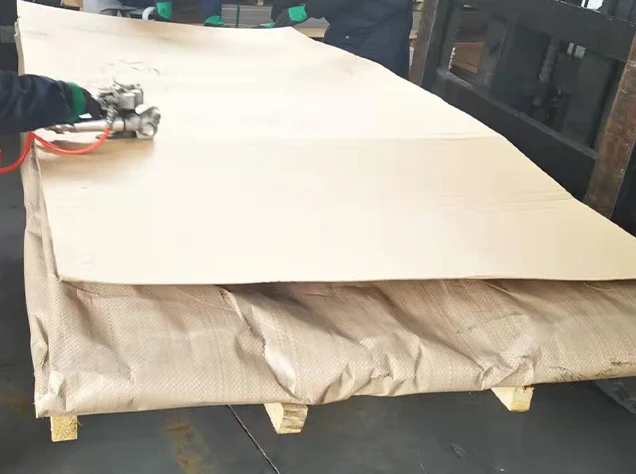
Packaging protects the coil’s surface and material condition: moisture barrier wrap, corrosion-inhibiting paper, edge protectors, proper labeling. Get it wrong and you see rust, moisture damage, or surface scratching on arrival. The material’s compromised. The coil itself stayed put.
Securement keeps the coil physically stationary inside the container. Get this wrong and the coil moves — rolling, sliding, jumping against container walls or other cargo. That can damage the coil, damage the container, or in worse cases create a real safety hazard during unloading.
What Proper Export Packaging Includes
- Moisture-proof wrap — non-negotiable for ocean transit, where 2-4 weeks of humidity exposure at sea is a real risk to bare or lightly protected steel
- Corrosion-inhibiting interleaving paper, matched to coating type and expected transit duration
- Edge protectors at the coil’s inner and outer diameter, guarding against contact-point damage during handling
- Weatherproof outer wrap or crating, sized to the coil’s actual weight and dimensions, not a generic template
- Clear labeling — heat number, grade, weight, handling instructions, all visible without unwrapping anything
Container Loading: What Actually Prevents Coil Movement
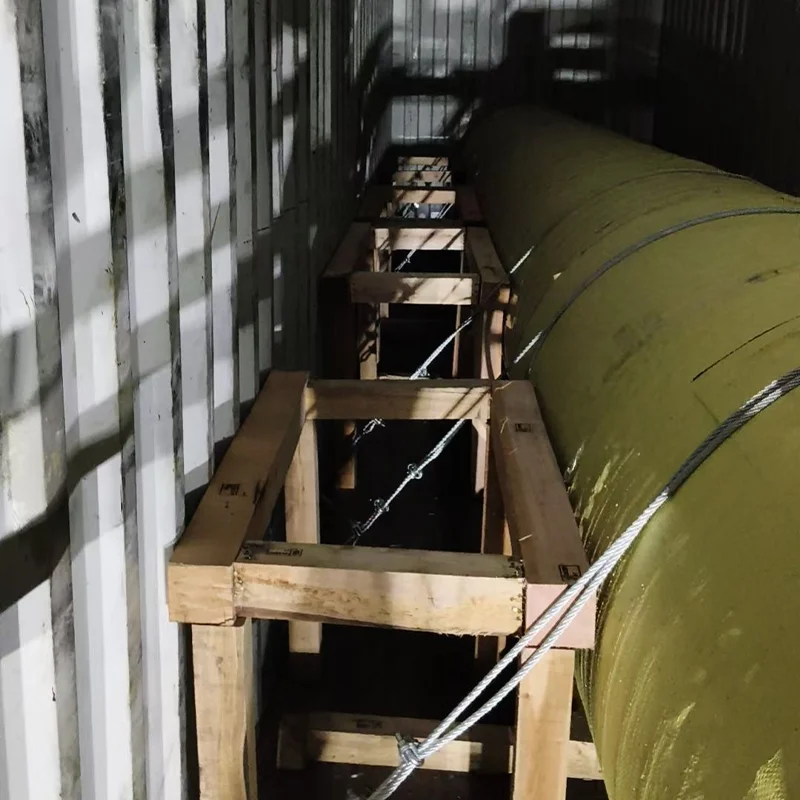
Two orientations dominate. Eye-to-the-side: the coil rolls in on its side, forklift-loaded through the eye — common where bracing uses cradles or wedges along the container floor. Eye-to-the-sky: the coil stands with its axis vertical, lifted by the eye — less common for heavy coils due to floor loading concentration, but sometimes preferred for specific destination handling.
Orientation isn’t just a securement choice — it changes how the coil’s weight bears on the container floor, which is really what decides which method fits a given coil. Lying on its side, a coil’s weight spreads along a line contact roughly as long as the coil is wide, keeping floor pressure relatively low without much extra dunnage. Standing on its eye, that same weight concentrates onto the coil’s narrow circular base — a much smaller contact area, so floor pressure per square metre climbs sharply, and standard container flooring is only rated for so much concentrated load before the decking and cross-members are at risk.
| Eye-to-the-side | Eye-to-the-sky | |
|---|---|---|
| Floor contact | Line contact along the coil width — spreads load naturally | Small circular footprint at the coil’s base — concentrates load |
| Typical fit | Heavier coils; the default for most CRGO/CRNGO master coils | Lighter or narrower coils, or where destination handling requires it |
| Dunnage / counterweight needed | Cradles or wedges either side, standard timber bracing | A load-spreading timber platform under the coil is usually required to bring floor pressure within the container’s rated limit |
As a rule of thumb: if loading eye-to-the-sky would concentrate a coil’s full weight onto a base narrower than roughly 400–500 mm across, ask for a load-spreading dunnage platform under it rather than assuming standard flooring can take the point load unaided — this is exactly the kind of detail that separates “properly packed” from “properly packed and correctly loaded.”
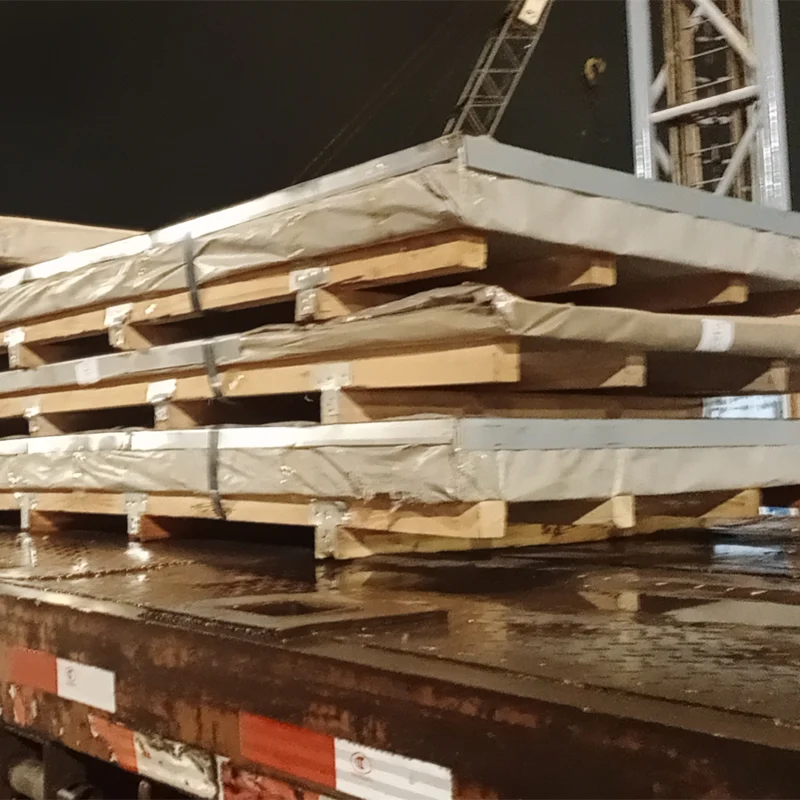
Whichever orientation, the securement plan has to address three failure modes. Sideways rolling, stopped with chocks or cradle structures on both sides. Forward/aft shifting, stopped with bracing front and rear relative to the container’s length. Jumping, stopped with adequate dunnage and, where needed, strapping that limits vertical movement over rough seas. Handle two of the three and skip the third, and that’s exactly the gap a bad crossing finds.
The Damage Claim Math
35% less cargo damage from proper loading technique alone, per industry container loading guides. That’s a big enough number that loading procedure deserves the same scrutiny as packaging spec — not something you wave through as your freight forwarder’s problem to sort out.
The economics aren’t close, honestly. A damage claim on an 8-20 ton coil shipment, plus the delay getting replacement material to your production line, costs a lot more than the ten minutes it takes to confirm your supplier or forwarder is actually using proper bracing — not just proper wrap. A pre-shipment inspection is the more formal version of that same check.
FAQ
Is it safe to ship electrical steel coils in standard shipping containers?
Yes. Coiled materials have shipped safely in containers for years, as long as they’re properly packed and secured. The real risk isn’t containerization — it’s inadequate securement against rolling, shifting, or jumping in transit.
What’s the difference between coil packaging damage and securement damage?
Packaging damage hits the material itself — moisture, corrosion, surface scratching — while the coil stayed in place. Securement damage happens when the coil physically moves inside the container, which can damage the coil, the container, or create a safety hazard during unloading.
How much does proper loading actually reduce damage risk?
Roughly 35%, per industry container loading guides, compared to improper loading. Significant enough that loading procedure deserves the same scrutiny as packaging specification.
What should I ask my supplier or freight forwarder about coil securement?
Confirm the loading method — eye-to-the-side or eye-to-the-sky — matches your coil’s weight and dimensions, and confirm the bracing plan covers all three failure modes: sideways rolling, forward/aft shifting, and jumping. Not just one or two of them.
If your freight forwarder or supplier can’t describe their bracing plan in terms of these three failure modes specifically, ask us how we handle it before the container gets sealed. Five minutes now, versus a damage claim and a production delay later.