“It came with a certificate.” That was the whole check one buyer ran before accepting a shipment. Full stop. No further look. Three weeks later they called us, confused, because the core loss on the coil didn’t match what they’d assumed the certificate guaranteed. It didn’t guarantee anything close to that — they’d never actually read past the header. An MTC is only as useful as your ability to read what’s on it, and honestly, most buyers have never been walked through one line by line. So here’s that walkthrough — one piece of the wider sourcing process we cover in our buyer’s guide to sourcing electrical steel from China.
Core Key Points
- An MTC under EN 10204 isn’t one document. The standard defines four types: 2.1 (basic declaration, no testing), 2.2 (test report, non-specific results), 3.1 (specific test results, manufacturer-verified), and 3.2 (specific test results, independently verified).
- A 3.1 certificate comes from the manufacturer’s own quality department and reflects actual results from the specific batch supplied. Real data, not a generic grade datasheet.
- A 3.2 certificate carries the same test data as a 3.1, plus one more step: an independent third party or notified inspection body has to stamp and sign it too.
- The line buyers skip most, and the one that matters most: heat number traceability. Does the heat number on the certificate match the number stamped on the physical coil in front of you?
- 3.2 certificates cost more and take longer to arrange than 3.1. That’s reason enough to reserve the request for orders where the stakes actually justify it — not as a blanket default on everything you buy.
What’s Actually on an MTC
A real MTC (Type 3.1 or 3.2) carries actual test data for the specific heat supplied. Not generic grade specs pulled from a catalog PDF. At minimum:
- Heat/batch number — traceability back to the specific production run
- Chemical composition — measured, not nominal
- Mechanical/magnetic test results — core loss, magnetic induction, whatever’s relevant to the grade, measured at stated test conditions
- Dimensional data — thickness, width, tolerance conformance for the actual coil or batch
- Applicable standard reference — what spec the material was tested against
- Signature and stamp — the manufacturer’s quality department (3.1), plus an independent inspector for 3.2
Missing one of these? Or the numbers look suspiciously like they came off a general grade datasheet instead of your actual shipment? Worth a question before you accept the material, not after.
3.1 vs 3.2: The Real Difference
Who verifies the results — that’s the real distinction, not what gets tested. Both certificate types report specific results tied to the actual delivered batch. Independence is where they split.
| Certificate | Who Tests | Who Verifies |
|---|---|---|
| 3.1 | Manufacturer’s quality department | Manufacturer’s quality department (independent of production, not of the company) |
| 3.2 | Manufacturer’s quality department | Independent third party, notified body, or the buyer’s own inspector |
A 3.1 is genuinely useful for most orders. It’s not a lesser document — it’s the standard one. A 3.2 adds a layer of verification that earns its cost when order size, application risk, or the relationship history with a new supplier justifies it. Pair either level with independent pre-shipment inspection for large or first-time orders — the two checks cover different risks.
Heat Number Traceability: The Line Most People Skip
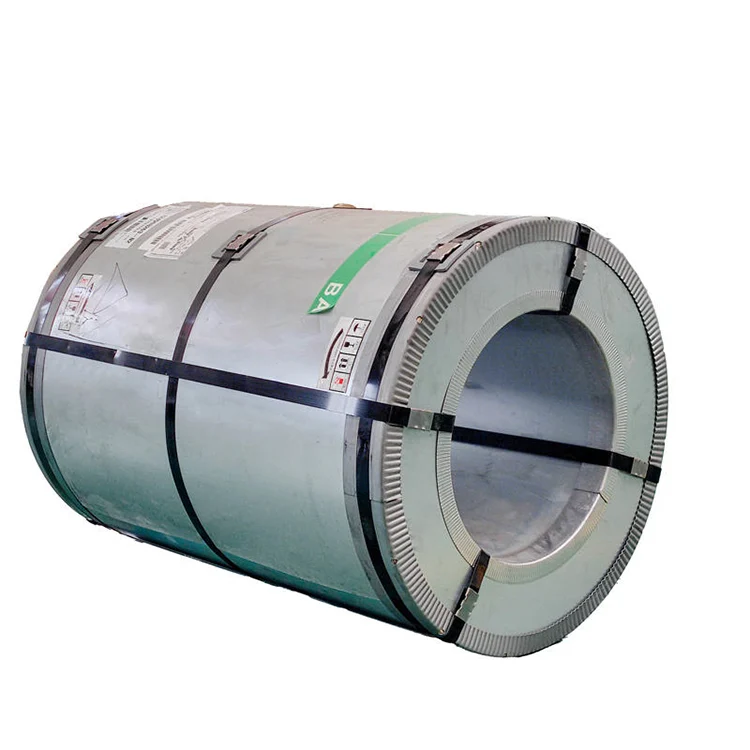
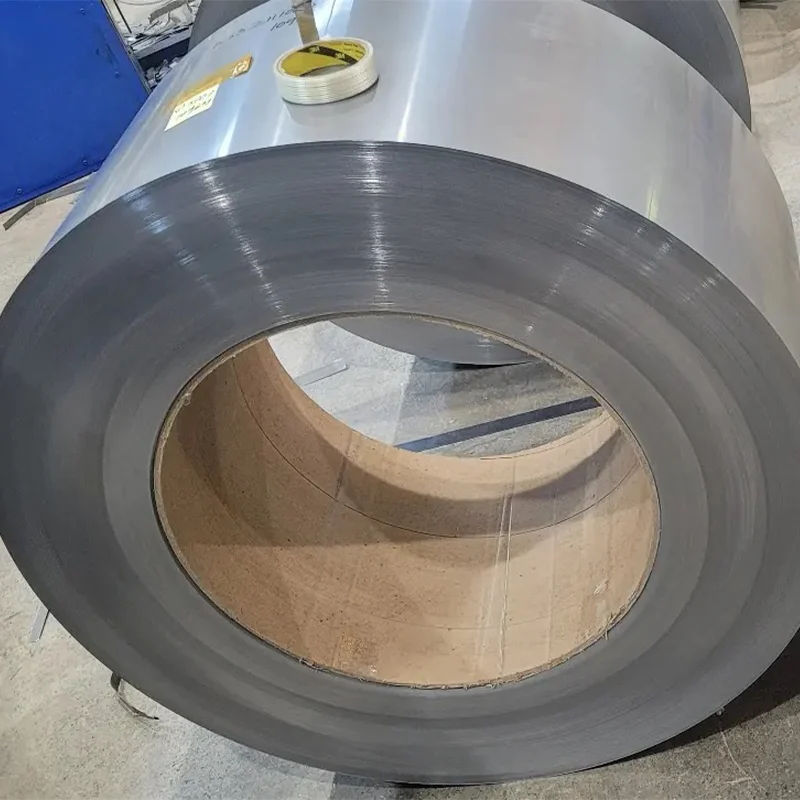
This is exactly the check that would have caught the confusion in the opening story. Every MTC references a heat or batch number, and that number should be physically stamped on the coil itself. Match the certificate to the physical material and you’ve verified the paperwork actually describes what’s in front of you, not a similar-but-different batch that happened to be nearby on the loading dock.
It’s easy to skip because it feels like a formality. It isn’t. A mismatched heat number is about as clear a red flag as paperwork gets — sometimes it’s a simple clerical error, sometimes it’s something you’d rather catch before payment clears. Takes two minutes against a coil that’s already sitting there.
Picking Between the Two
3.1 covers you fine when you’ve got history with the supplier, order size is moderate, and the application isn’t safety-critical. Lead time matters more than the extra verification step in that scenario, most of the time.
3.2 earns the extra cost and lead time on a first order with a new supplier, where you have zero track record to fall back on. Same story for large orders where a quality problem gets expensive fast, or for anything with safety or regulatory stakes where independent verification carries real weight if a dispute ever goes to audit — this is exactly the kind of requirement worth locking into the purchase spec itself, as covered in our transformer core buyer’s guide.
FAQ
What’s the actual difference between an EN 10204 3.1 and 3.2 certificate?
Both report specific test results from the actual delivered batch. The difference is verification: a 3.1 is verified by the manufacturer’s own quality department, while a 3.2 is additionally validated by an independent third party or notified inspection body.
Is a 3.1 certificate less trustworthy than a 3.2?
Not inherently. A 3.1 is the standard, sufficient certificate for most orders. A 3.2 adds independent verification that matters most for large orders, new supplier relationships, or safety-critical applications — not as a universal upgrade everyone should demand.
What should I check first when I receive an MTC?
Heat number traceability. Confirm the heat number on the certificate matches what’s physically stamped on the coil. That single check verifies the certificate actually describes the material you received.
Why are 3.2 certificates rarer than 3.1?
Arranging independent third-party verification adds real cost and lead time to production. Most orders don’t need it, so 3.1 stays the default, with 3.2 reserved for situations where the stakes justify it.
Read past the header next time an MTC lands in your inbox. Ask us for a sample certificate if you want to see what a real 3.1 or 3.2 looks like before your next order — the heat number check takes two minutes and catches exactly the kind of mismatch that otherwise turns up three weeks later as a confused phone call about numbers that don’t add up.