Core Key Points
- A typical CRNGO order for home-appliance and small-motor laminations specifies core loss of 2.5-4.5 W/kg at 1.5-1.6T induction, thickness of 0.35mm or 0.50mm, and silicon content in the 1-3% range. Different numbers entirely from the CRGO grades used in transformer cores.
- Every coil is tested on an Epstein frame per IEC 60404-2 before shipment. Dimensional, coating, and surface checks get logged per coil, regardless of order size.
- Southeast Asia’s shipping corridor runs 75-85% relative humidity year-round, with port temperatures regularly above 30°C. That’s the single biggest variable in how this order gets packaged — bigger than the grade itself.
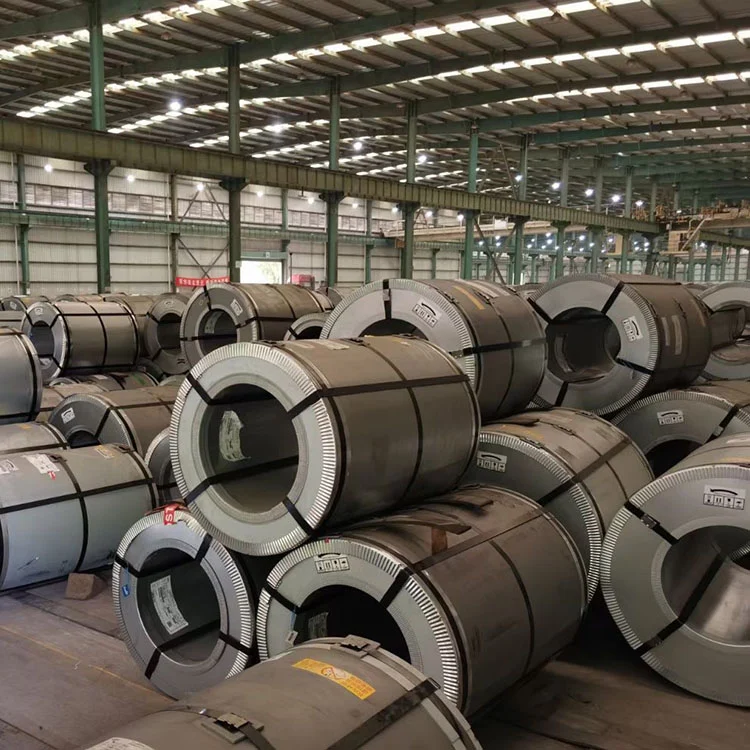
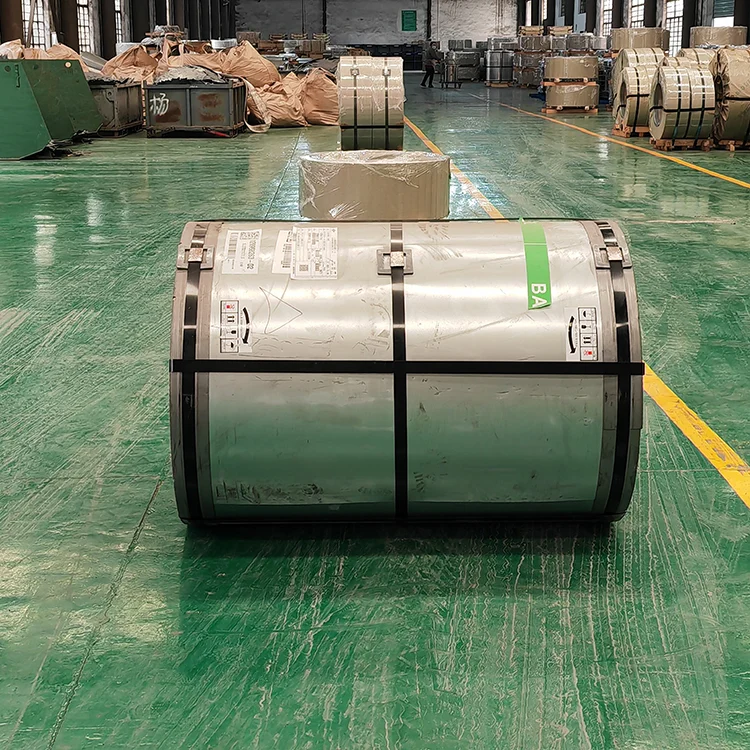
- Standard coil weight for this class of order runs 2-6 tonnes, inner diameter 508mm, cut to customer-specified width for stamping. A 30-tonne order typically ships as 6-8 coils.
- VCI paper plus sealed outer wrap is the baseline for this corridor. Not an upgrade.
Order Profile: CRNGO for Appliance and Motor Manufacturing
Southeast Asian buyers sourcing electrical steel for appliance motors, fans, and small industrial motors are almost always looking at CRNGO rather than CRGO. Makes sense once you think about why: the field in a rotating motor doesn’t run in a fixed direction, so CRGO’s directional loss advantage doesn’t apply, and CRNGO’s isotropic performance is simply the better fit. More on why in our CRGO vs CRNGO comparison, and on the appliance-motor application side specifically in our home appliances and wind power guide.
Here’s what a representative 30-tonne order looks like once someone’s actually done the work of specifying it properly:
- Product: Cold-Rolled Non-Grain-Oriented Electrical Steel (CRNGO), standard grade
- Order Size: 30 tonnes (approx. 6-8 coils)
- Core Loss: 2.5-4.5 W/kg at 50Hz (grade-dependent within this range)
- Magnetic Induction: 1.5-1.6T
- Thickness: 0.35mm or 0.50mm
- Silicon Content: 1-3%
- Coil Weight: 2-6 tonnes per coil
- Inner Diameter: 508mm standard
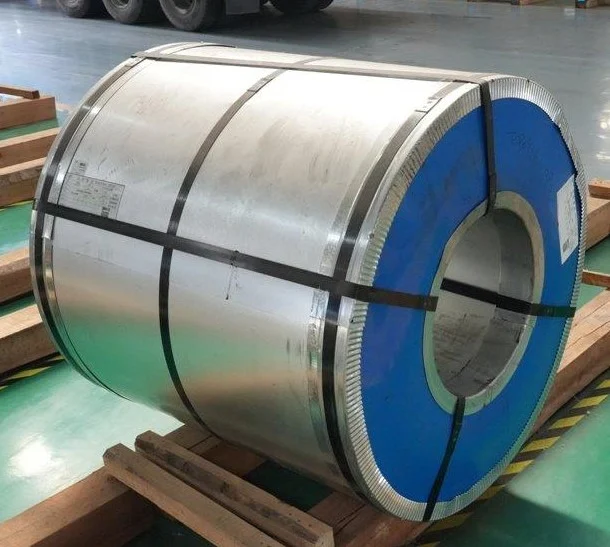
- Width: customer-specified, cut to stamping requirements
- Surface/Coating: standard insulation coating suited to lamination stacking — lighter buildup than the C5 coating on CRGO transformer-core material, see our coating types guide for the comparison
- Delivery Time: typically 25-35 days from confirmed PI, per our lead time and MOQ guide
- Trade Term: FOB Shanghai/Ningbo standard
The gap we run into most on first orders: buyers write “CRNGO 0.50mm” and stop there. That alone doesn’t tell a motor designer whether they’re landing at the low or high end of the 2.5-4.5 W/kg band, and that difference actually matters for hitting a specific motor efficiency class.
Quality Inspection
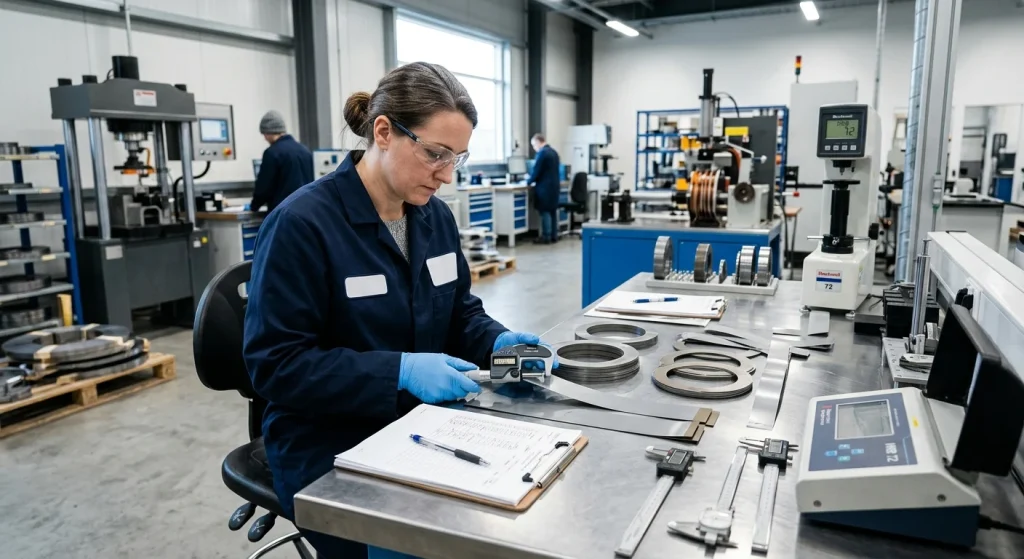
Every coil in this order class gets tested on an Epstein frame per IEC 60404-2 for core loss and magnetic induction, plus dimensional and surface checks — same discipline we run for CRGO transformer-grade material, through our CNAS-accredited lab under ISO 9001. Appliance-motor laminations typically don’t feed automotive supply chains, so IATF 16949 documentation isn’t usually requested on this order type. We can provide it if your downstream application needs it, but most buyers in this category don’t ask.
Each coil ships with a Mill Test Certificate showing the actual measured core loss and induction, not a nominal spec-sheet figure — see our certificate format guide for EN 10204 3.1 vs 3.2. Want independent verification before the container loads? We support third-party inspection too; our SGS/BV/TÜV comparison covers what each one actually checks.
Packaging: Why Southeast Asia Changes the Spec
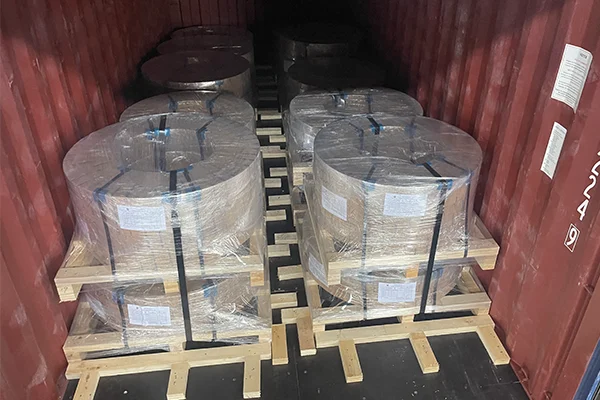
Here’s where the destination matters more than the grade. Southeast Asia sits at 75-85% relative humidity essentially year-round, port temperatures regularly over 30°C regardless of season. Not a seasonal risk — a flat, unchanging baseline. Warm, humid air condenses straight onto a steel coil’s surface inside a sealed container, and without the right packaging, that shows up as rust or staining by the time the coil clears customs, even if nothing about the shipment looked unusual in transit.
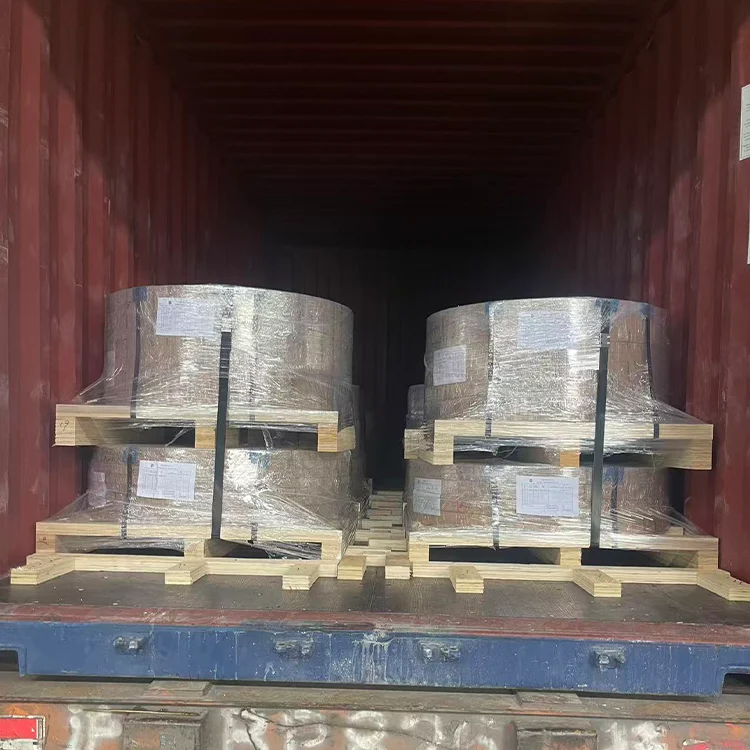
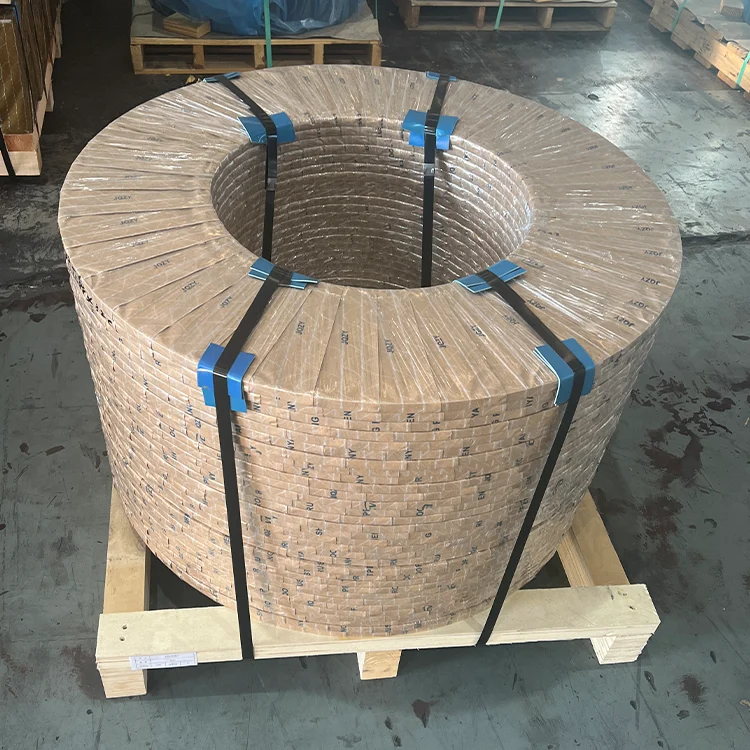
For this order class, VCI paper — not plain kraft interleaving — plus a sealed outer wrap is the baseline. VCI works differently than a plastic moisture barrier: the molecules volatilize inside the wrap and settle onto the metal itself, forming a protective layer effective against sustained humidity, sulfur compounds, and salt air. On a corridor sitting at 75-85% humidity as a matter of course, that mechanism is doing real work, not just checking a box.
Monsoon timing adds a second layer worth planning around. The Southwest Monsoon establishes across the ASEAN region from late May, with northern Vietnam’s wettest months in July-August and southern Vietnam’s rainy season running April through September. None of this means delaying shipments — it means tightening the packaging margin (extra VCI layers, desiccant packs) for orders transiting these windows. We’ve also seen shorter intra-Asia routes turn out riskier than longer temperate ones for exactly this reason — no cooler climate zone mid-transit to give the container a break from the humidity.
Why Buyers Choose Zhongxin
- We test what we ship, not a sample of it. Epstein frame testing per coil, CNAS-accredited lab, results on the Mill Test Certificate for your specific order.
- Packaging built for this corridor specifically — VCI paper and sealed wrap as standard for Southeast Asia-bound orders, not a generic export default that quietly under-protects against sustained humidity.
- 200,000 tonnes of annual capacity across CRGO and CRNGO lines, with in-house slitting so a non-standard width doesn’t add a third-party processing step to your lead time.
- English-language technical support across time zones — direct answers on core loss range and coating buildup, no translation-lossy back-and-forth.
FAQ
Why CRNGO instead of CRGO for appliance and motor laminations?
CRNGO’s isotropic magnetic performance suits motors, where the field rotates rather than following a fixed path. CRGO’s directional loss advantage — the reason it’s used in transformer cores — doesn’t translate to a rotating-field application.
What core loss range should I specify for a CRNGO appliance-motor order?
Standard CRNGO for this application typically runs 2.5-4.5 W/kg at 1.5-1.6T induction, in 0.35mm or 0.50mm thickness. Specify where within that range you need to land — it affects motor efficiency class — rather than just naming the grade.
Does packaging really need to change just because the destination is Southeast Asia?
Yes. The region sits at 75-85% relative humidity essentially year-round, which calls for VCI paper and sealed wrap as a baseline rather than an upgrade.
What’s a typical order size and lead time for this product?
Orders in this class often run around 30 tonnes (6-8 coils), with delivery typically 25-35 days from a confirmed proforma invoice, shipping FOB Shanghai or Ningbo as standard.
If a quote for this corridor doesn’t specify VCI paper by name, or the core loss range is missing from the grade description, ask for both before the PI is issued.