We get RFQs for transformer core steel that specify a grade name and a thickness and not much else — and half the time, that’s not actually enough information for us to quote confidently, let alone guarantee the material will perform the way the buyer’s design expects. Grade selection (CRGO vs Hi-B, which thickness band) is one conversation, and we’ve covered it in our electrical steel grades guide. This guide is about the conversation that usually gets skipped: what actually needs to be on your purchase spec so the steel that arrives matches the transformer you designed, not just the grade name you typed into an RFQ template.
Core Key Points
- A grade name and thickness alone leaves out at least four variables that affect performance: coating type, coil width/inner diameter, core loss test conditions, and surface insulation resistance.
- Core loss figures are meaningless without the test frequency and induction they were measured at — a 1.10 W/kg claim at 50 Hz/1.7T is a very different material than the same number at 60 Hz/1.5T.
- Coating type (C-2, C-5, or similar designations depending on standard) determines interlaminar insulation resistance, which directly affects eddy current loss between laminations, not just within them.
- Coil width and inner diameter need to match your decoiling and stamping/slitting equipment — a mismatch here causes line downtime that has nothing to do with the steel’s actual quality.
- The single most common miscommunication we see is a buyer assuming “standard CRGO” means the same thing across every mill, when core loss ceilings for “standard” grades actually vary supplier to supplier within the same nominal grade family.
What a Grade Name Alone Doesn’t Tell Us
“CRGO 0.27mm” tells us the orientation family and nominal thickness. It doesn’t tell us:
- What core loss ceiling you actually need (there’s a meaningful performance range within “standard CRGO”)
- What surface coating and insulation resistance your stamping/winding process requires
- What coil width and inner diameter your line is set up to handle
- Whether you need a specific magnetic induction floor, separate from the core loss figure
Two mills can both ship “CRGO 0.27mm” and deliver materially different transformers, because the grade name is really a category, not a full specification. If your RFQ stops at grade and thickness, you’re relying on the supplier to guess the rest — and different suppliers guess differently.
This matters whether you’re speccing a power transformer core or a distribution transformer core — the two applications tolerate different core loss ceilings even within the same nominal grade.
Building a Complete Purchase Specification
A spec we can quote against confidently and that protects you if there’s a dispute later should include:
| Field | Why It Matters |
|---|---|
| Grade/family (e.g., CRGO, Hi-B) | Sets the general performance category |
| Nominal thickness | Affects eddy current loss and stacking factor |
| Core loss ceiling + test conditions | The actual performance guarantee — meaningless without frequency/induction reference |
| Magnetic induction (minimum, at specified field strength) | Confirms flux-carrying capacity independent of loss figure |
| Coating type and insulation resistance | Determines interlaminar loss and process compatibility |
| Coil width and inner diameter | Must match your decoiling/stamping equipment |
| MTC level required (EN 10204 3.1 or 3.2) | Sets the documentation and verification standard for the order |
Core Loss: Which Test Conditions Actually Matter
This is where we see the most confusion. A supplier quoting “0.90 W/kg” without stating the test frequency and induction hasn’t really told you anything comparable. The two conditions that matter most:
- Test frequency — almost always 50 Hz or 60 Hz depending on which grid standard the material was characterized against
- Test induction — commonly 1.5T or 1.7T; higher induction test points generally show higher core loss numbers for the same physical material, so a lower number at a lower induction isn’t automatically a better material
If two quotes show different core loss numbers, the first question isn’t “which supplier has better steel” — it’s “were these two numbers measured under the same conditions.” Often, they weren’t.
Coating and Insulation Requirements
Electrical steel ships with a thin insulating coating that prevents adjacent laminations in a stacked core from conducting into each other, which would otherwise create additional eddy current paths across the whole stack, not just within individual sheets. Coating designations vary by standard, but the practical questions to answer in your spec are:
- Does your winding/stacking process apply additional heat treatment after the steel arrives? Some coatings are rated for post-processing anneal temperatures, others aren’t.
- What surface insulation resistance value does your design require, and is it tested per your relevant standard?
- Is the coating compatible with your varnish or impregnation process, if your core assembly uses one?
Coil Dimensions and What They Mean for Your Stamping Line
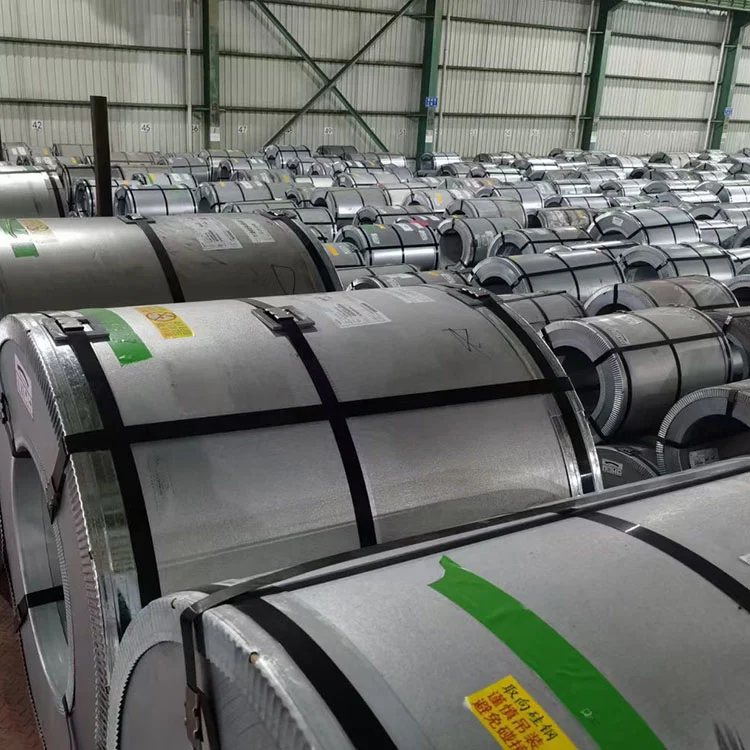
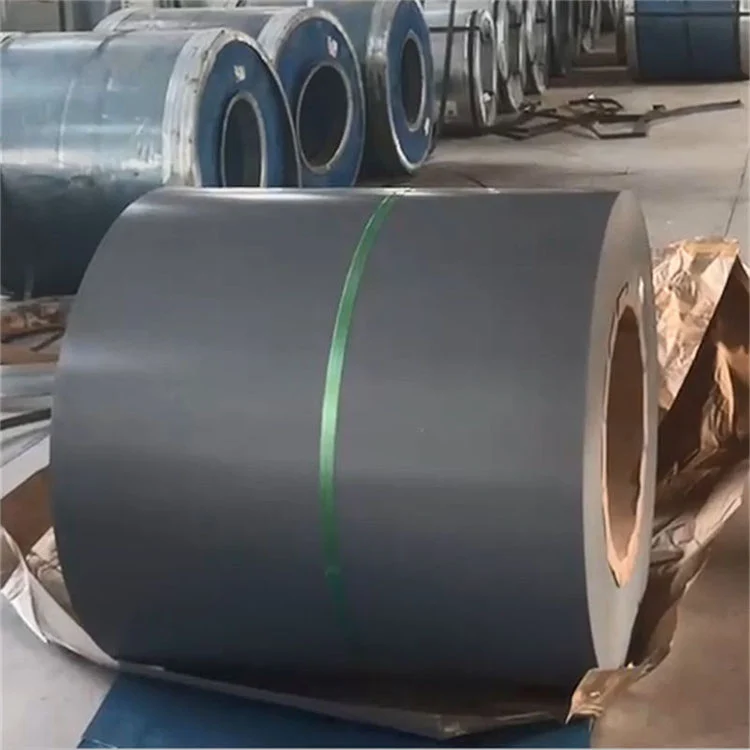
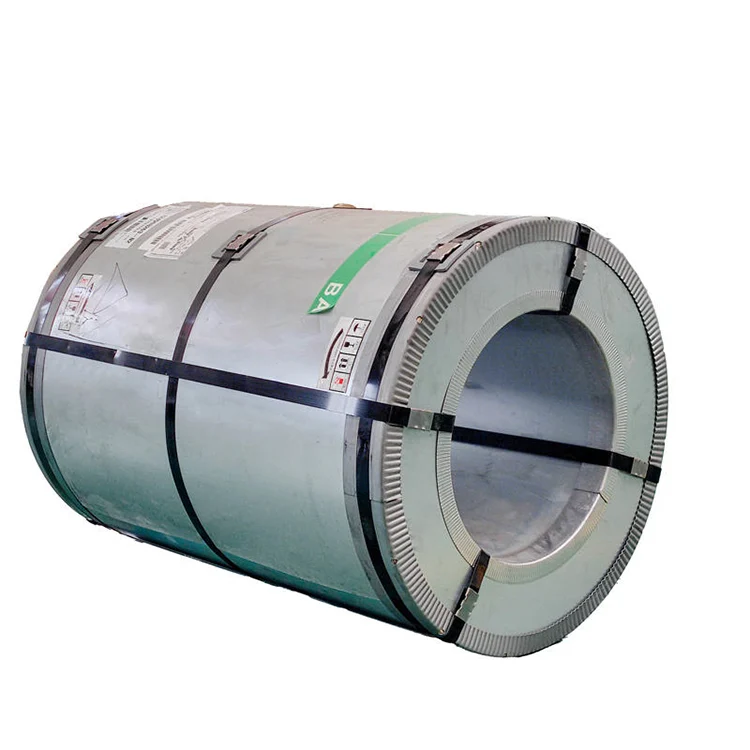
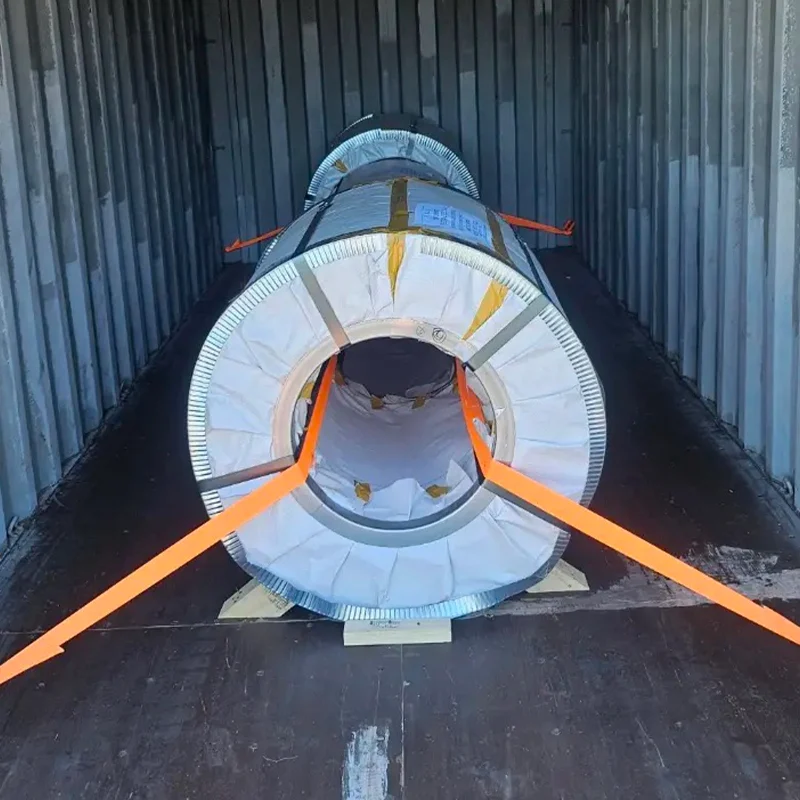
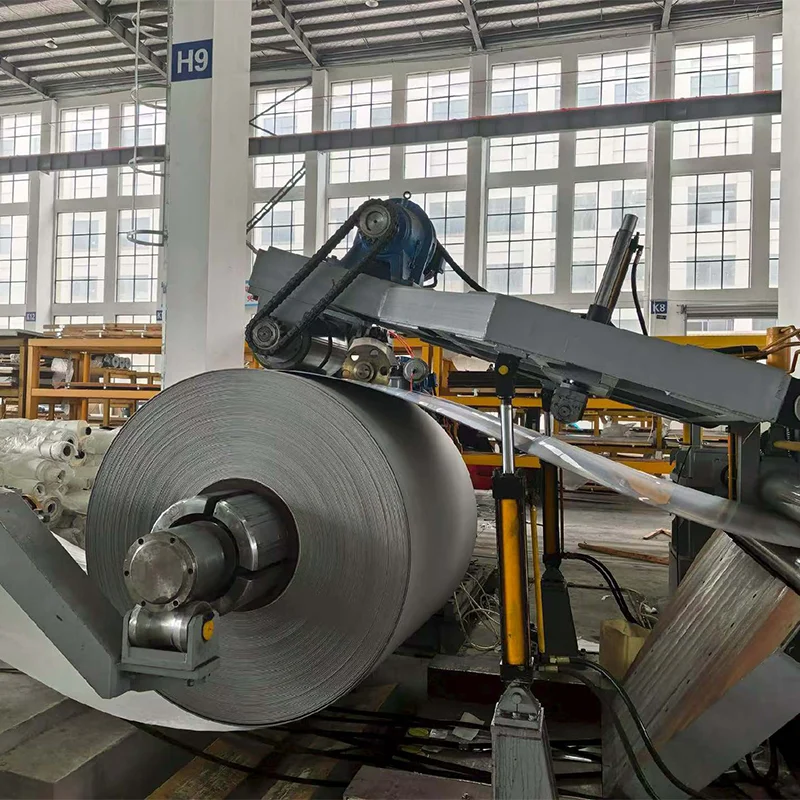
This part has nothing to do with magnetic performance and everything to do with whether your production line can actually run the material. Coil width needs to be within your decoiler’s handling range, and inner diameter needs to match your mandrel or decoiling equipment. We’ve had orders held up at the receiving dock — steel that was magnetically perfect, sitting on a truck, because the inner diameter didn’t match the customer’s equipment. It’s a completely avoidable delay, and one line on the purchase spec prevents it.
Common Miscommunications Between Buyers and Mills
- Assuming “standard grade” is standardized across suppliers. It isn’t — core loss ceilings for nominally identical grade names vary by mill, sometimes significantly.
- Specifying thickness without specifying the coating. Two coils at the same thickness can behave differently in a stacked core depending on interlaminar insulation.
- Comparing quotes without confirming test conditions. Covered above, and worth repeating because it’s the single most frequent source of “why did this quote look so different” questions we get.
- Leaving MTC level unspecified until after the order is placed. This should be agreed before production starts, not negotiated after the coil is already rolled.
FAQ
Is specifying a grade name like “CRGO 0.27mm” enough for a purchase order?
No. It sets the general category but leaves out core loss test conditions, coating type, coil dimensions, and MTC requirements — all of which affect whether the delivered material actually performs the way your transformer design assumes.
Why do two suppliers quote different core loss numbers for the “same” grade?
Often because the numbers were measured at different test frequencies or induction levels, or because “standard” grade core loss ceilings genuinely vary between mills even under the same nominal grade name.
What information should I include beyond grade and thickness?
At minimum: core loss ceiling with test conditions, magnetic induction floor, coating/insulation type, coil width and inner diameter, and the MTC verification level (EN 10204 3.1 or 3.2) you require.
Can coil dimensions really cause production delays even if the steel quality is fine?
Yes — if coil width or inner diameter doesn’t match your decoiling or stamping equipment, the material can be magnetically perfect and still cause line downtime. This is one of the most avoidable delays in the entire ordering process.
None of this is complicated once it’s written down, which is honestly the frustrating part — most of these mismatches come from an RFQ that got typed up in five minutes without anyone on either side asking the follow-up questions. Send us your core design parameters, not just a grade name, and we’ll tell you what’s actually missing before you place the order, not after the coil ships.