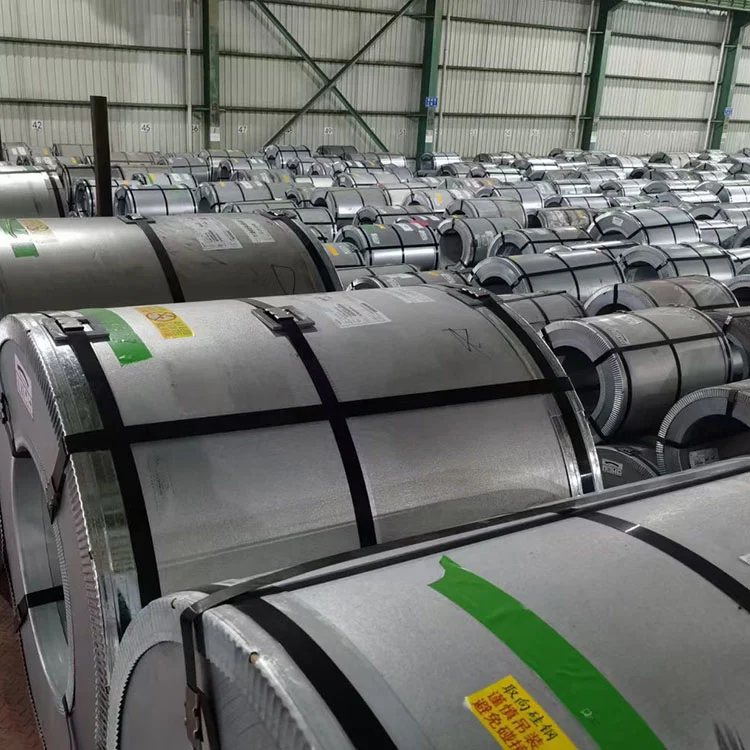
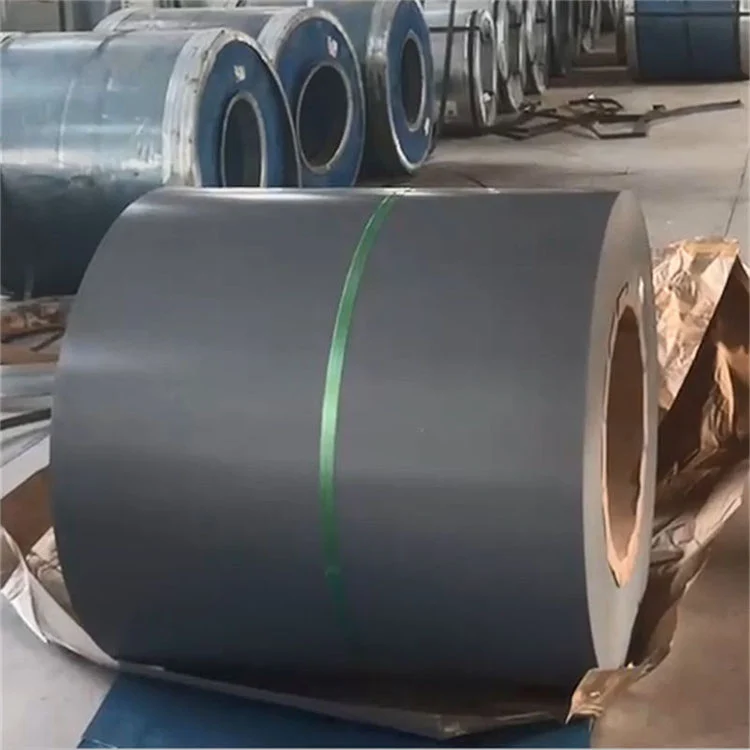
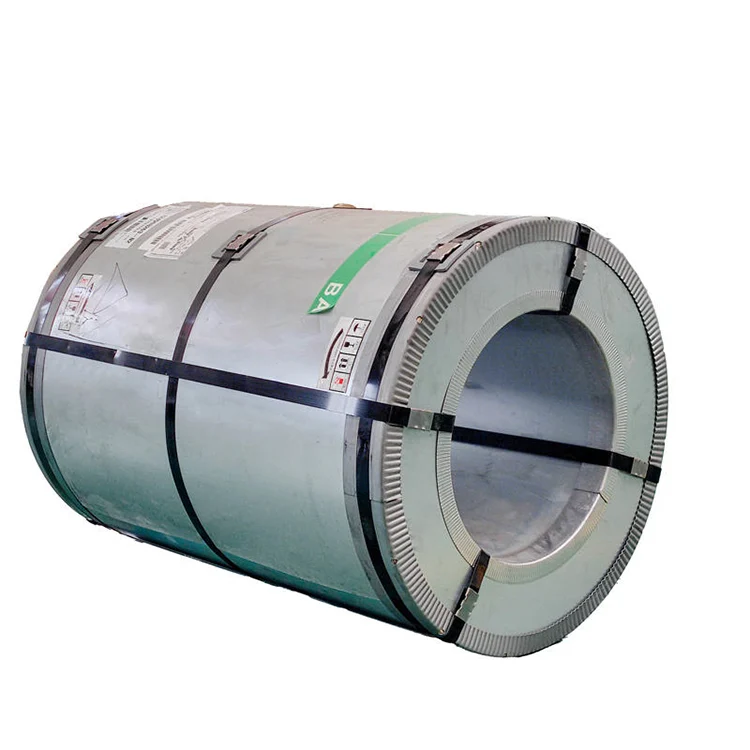
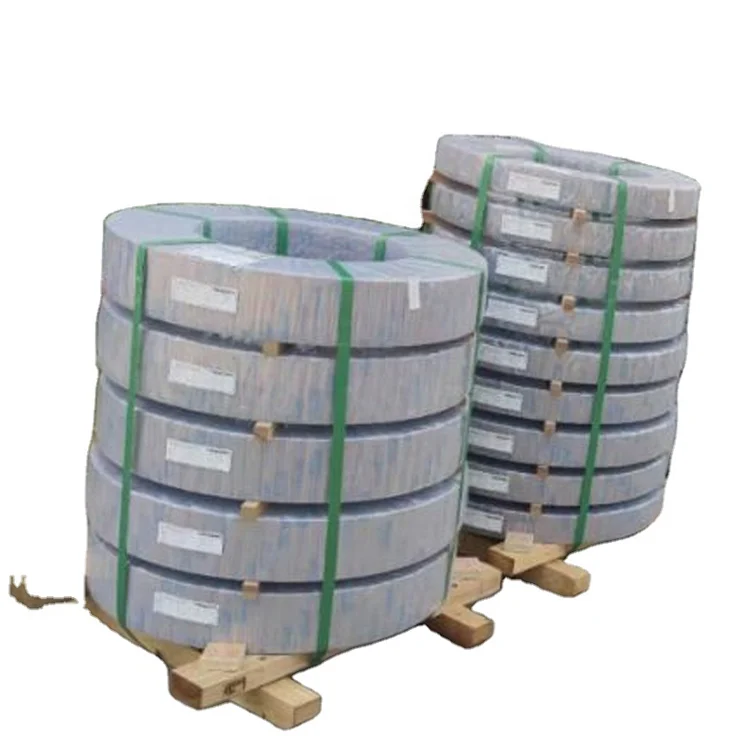
We field a lot of first-time RFQs from buyers who’ve never sourced electrical steel from China before, and the questions are almost always the same three: how do I know this mill is real, why does the quote look nothing like the price I saw on a trading site, and what happens if the steel that arrives doesn’t match the spec on paper. Fair questions — there’s a lot of noise between a Google search for “electrical steel supplier China” and an actual container on a ship. This guide covers what we tell those buyers directly: how to verify a supplier, how Chinese CRGO/CRNGO pricing actually breaks down, what documentation to demand before you pay a deposit, and where new buyers most often get burned.
Core Key Points
- China exported an estimated 15-30% price advantage on CRGO relative to Japanese or Korean mills for equivalent grades, before anti-dumping duties in markets like the EU narrow that gap significantly.
- There’s a real difference between buying from a mill and buying from a trading company — both are legitimate, but they carry different risk profiles, minimum order quantities, and price transparency.
- A legitimate mill will hold ISO 9001 at minimum; automotive-adjacent buyers should also ask for IATF 16949, and anyone shipping to the EU should confirm RoHS/REACH compliance is documented, not just claimed.
- Mill Test Certificates (MTCs) under EN 10204 3.1 or 3.2 are the single most important document in the transaction — 3.2 involves independent third-party verification and costs more, but it’s worth it above a certain order size.
- The most common costly mistake we see is a buyer skipping a small trial order and going straight to a full container — a $2,000-3,000 trial run has saved buyers far more than that in avoided full-container disputes.
Mill vs Trading Company: Who Are You Actually Buying From?
This is the first thing to figure out, and a lot of buyers never ask. A mill (like us) produces the steel directly — cold rolling, annealing, slitting, the whole process happens under one roof or one corporate umbrella. A trading company buys from one or several mills and resells, often bundling logistics and documentation services on top.
Neither is inherently better. Trading companies can be useful for smaller orders below a mill’s minimum order quantity, or when you need steel sourced from a specific mill you don’t have a direct relationship with. But they add a markup, and — this is the part that catches people out — they’re not always transparent about which mill actually produced your steel. If quality consistency across repeat orders matters to you (and for transformer or motor manufacturing, it should), buying direct from a mill gives you a traceable relationship with the actual production line.
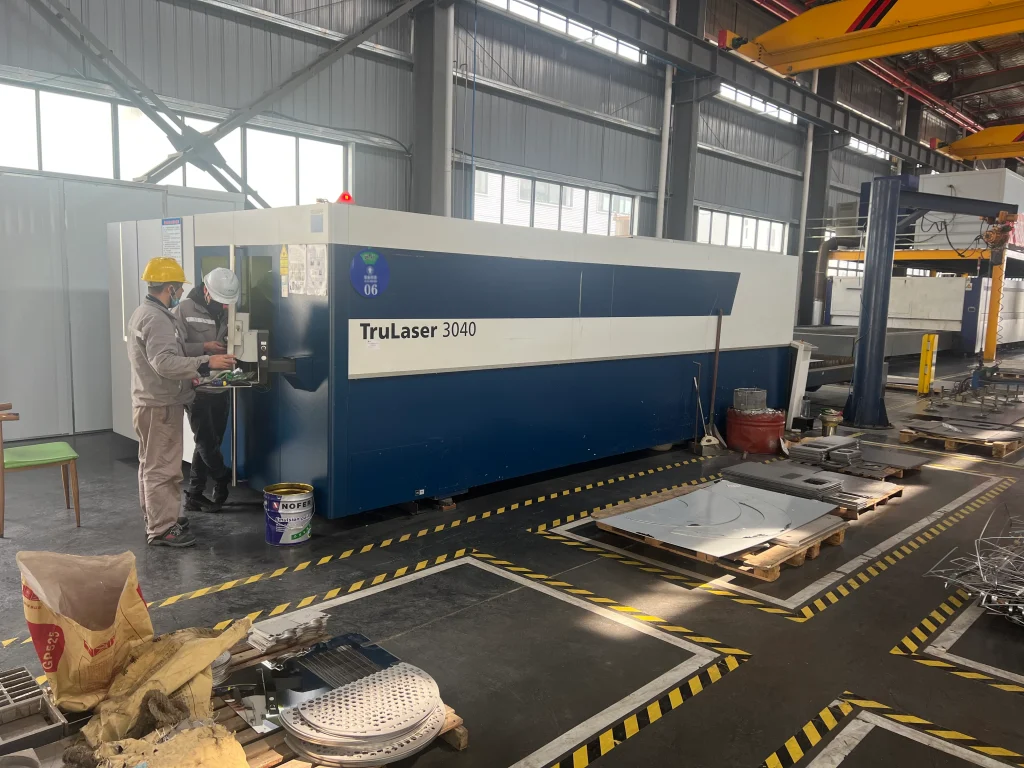
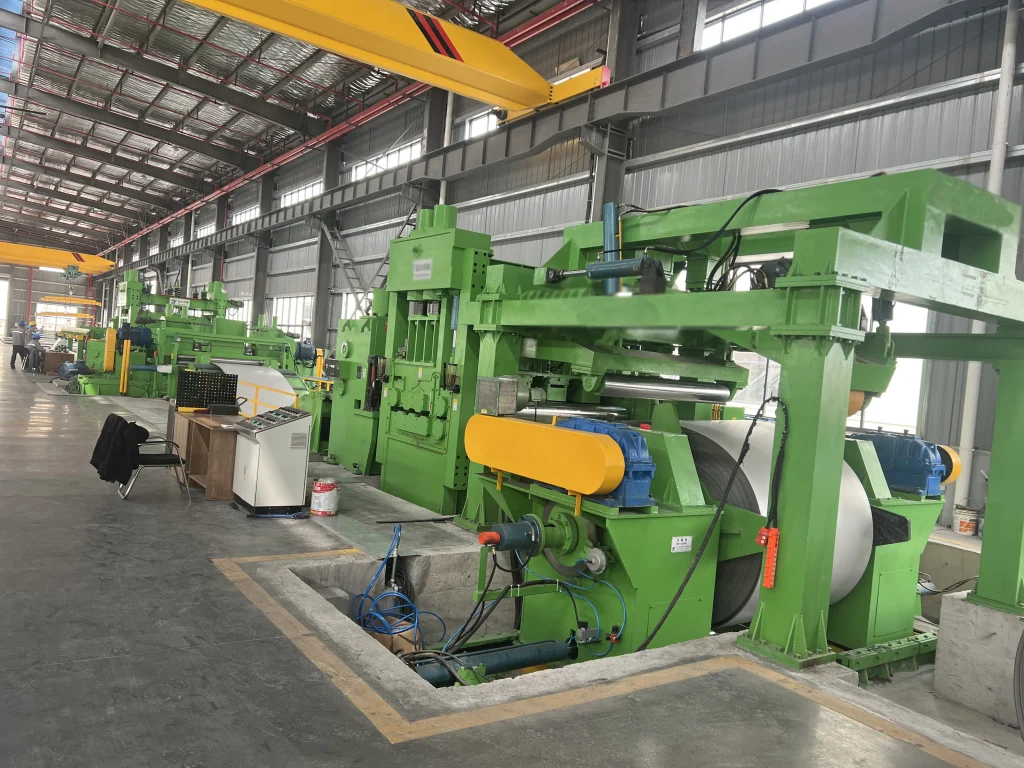
A quick way to tell which you’re dealing with: ask directly which factory produces the steel, and ask for a factory audit report or video call walkthrough of the production floor. A mill will show you their own line. A trading company will either arrange a visit to their supplier’s mill or get noticeably vague.
Verifying a Supplier Before You Commit
Before any deposit changes hands, we’d check the following, in roughly this order:
- Business registration. Chinese company registration can be checked through the National Enterprise Credit Information Publicity System — confirms the company legally exists and how long it’s been registered.
- ISO 9001 certificate number. Don’t just accept a PDF — certificates carry a registration number you can verify with the issuing certification body.
- IATF 16949, if your end product touches automotive supply chains. This is a materially harder certification to hold than ISO 9001 alone, and its presence says something real about quality system maturity.
- Export history. Ask for references from buyers in your region, ideally ones who’ve been ordering for 2+ years, not a single satisfied first-time buyer.
- A video walkthrough of the actual production floor — cold rolling mill, annealing furnace, slitting line, packaging area. This alone filters out a surprising number of pure resellers posing as manufacturers.
How CRGO/CRNGO Pricing Actually Breaks Down
A quote that just says “$X per ton” is missing most of the information you need to compare suppliers. Real electrical steel pricing breaks down into:
| Component | What Drives It |
|---|---|
| Base steel price | Grade (CRGO Hi-B costs more than standard CRGO), current raw material/silicon costs |
| Thickness premium | Thinner gauges (0.20mm and below) cost 40–80% more per ton due to lower rolling yield |
| Processing/slitting | Custom width cutting to your specification adds a per-ton processing fee |
| Certification/testing | Third-party MTC verification (EN 10204 3.2) adds cost compared with self-issued 3.1 certificates |
| Packaging | Export-grade moisture-proof packaging vs. domestic-grade packaging |
| Incoterm | FOB vs. CIF vs. DDP shifts responsibility for freight, insurance, and customs — see below |
We usually tell buyers: if two quotes for the same grade and thickness differ by more than about 10-15%, ask exactly what’s included before assuming one supplier is simply cheaper. Very often the lower quote is missing certification costs, using thinner packaging, or quoting FOB against another supplier’s CIF number.
Quality Documentation You Should Never Skip
The Mill Test Certificate (MTC) is where most disputes either get resolved instantly or drag on for weeks, depending on whether it was requested properly upfront.
- EN 10204 2.1/2.2 — a basic declaration of conformity, no independent testing. Fine for low-stakes, low-volume orders.
- EN 10204 3.1 — testing performed by the manufacturer’s own quality department, independent of production but not independent of the company. This is the standard for most mid-size orders.
- EN 10204 3.2 — testing witnessed and countersigned by an independent third party (or the buyer’s own inspector). Costs more and takes longer to arrange, but for large orders or first-time relationships, it’s the document that actually protects you if there’s a dispute later.
Whatever level you agree to, confirm the MTC will show heat number traceability back to the actual coil you receive — not a generic certificate for “this grade” in general. If the heat number on your delivered coil doesn’t match the MTC, that’s a red flag worth escalating immediately, not something to let slide.
Shipping Terms and What They Mean for Your Risk
| Incoterm | Who Arranges Shipping | Where Your Risk Starts |
|---|---|---|
| FOB (Free on Board) | Buyer arranges ocean freight from the Chinese port | Once goods are loaded on the vessel |
| CIF (Cost, Insurance, Freight) | Seller arranges freight and insurance to the destination port | Once goods are loaded on the vessel (insurance included) |
| DDP (Delivered Duty Paid) | Seller handles everything including destination customs clearance | Once goods arrive at your named destination |
First-time buyers often default to DDP because it looks simplest, but it also means you have the least visibility into the shipping and customs process — and the least ability to catch a documentation problem before it becomes your problem. FOB or CIF, paired with your own freight forwarder or customs broker, gives you an independent set of eyes on the shipment.
Packaging requirements are a separate risk layer from Incoterms — what protects a coil shipped to a humid Southeast Asian port isn’t the same spec that works for a European buyer facing different customs and cold-transit rules. See our export packaging checklist by destination for what to specify before you finalize your PO.
Common Sourcing Mistakes
- Skipping the trial order. Going straight from RFQ to a full container without a small trial batch is the single most common mistake we see, and it’s the one that costs the most when something’s off.
- Accepting a quote without confirming the test frequency and induction the core loss figure was measured at. A W/kg number without those two reference conditions isn’t really comparable across suppliers.
- Not asking who actually produces the steel. As covered above — worth confirming before you’re deep into a relationship with a reseller you thought was a mill.
- Treating DDP as automatically “safer.” It shifts risk, but it also reduces your visibility into the process. Neither is universally correct — it depends on whether you have (or want) your own logistics relationships in the destination country.
FAQ
How do I know if a Chinese electrical steel supplier is legitimate?
Check their business registration through China’s National Enterprise Credit Information Publicity System, verify their ISO 9001 certificate number with the issuing body, and ask for a video walkthrough of the actual production floor. Export references from buyers who’ve ordered repeatedly over 2+ years are more meaningful than a single satisfied one-time buyer.
Why is one supplier’s quote so much cheaper than another for the same grade?
Usually because something’s missing from the comparison — certification level (self-issued vs. third-party verified MTC), packaging grade, or the Incoterm basis (FOB vs. CIF vs. DDP). Ask exactly what’s included before assuming the cheaper quote is simply a better deal.
What’s the difference between an EN 10204 3.1 and 3.2 certificate?
A 3.1 certificate is tested by the manufacturer’s own quality department, independent of the production line but not of the company. A 3.2 certificate is witnessed and countersigned by an independent third party or the buyer’s own inspector — it costs more and takes longer, but carries more weight in a dispute.
Should I order a trial batch before committing to a full container?
Yes, in almost every case. A trial order costing a few thousand dollars is cheap insurance against a full container of steel that doesn’t match your spec, and it also tests the supplier’s actual responsiveness and documentation practices before you’re financially committed at scale.
Every one of these steps takes a bit more time upfront than just wiring a deposit and hoping for the best. We get it — when you’re trying to hit a production schedule, the verification process can feel like friction. But the buyers who skip it are, without much exception, the ones who end up messaging us later asking how to fix a shipment that already left port. Ask the annoying questions before you pay, not after.
Ready to start? Browse our CRGO/CRNGO specs or request a quote.