Introduction
Did you know? Lead times for high-voltage transformers have now stretched to 4–5 years—compared to just 24–30 months in 2020. At the same time, electrical steel prices have surged roughly 70% since 2020. Three triggers are driving this “steel squeeze”: AI data centers, EV motor demand, and new U.S. tariffs in 2026. This article answers three critical questions: Where are prices now? Why are they rising? And what comes next?
1. Electrical Steel Price Snapshot – Q1 2026
Prices as of March 2026 (USD per metric ton):
| Region | Mar 2026 Price (USD/MT) | Quarterly Trend | Key Drivers |
| United States | ~5,546 | Up | Strong auto + grid demand; 50% tariff lifts import costs |
| China | ~1,075 | Mild up | Ample capacity, strong exports but soft domestic demand |
| India | ~2,065 | Gradual up | Grid investment pulls; limited local production |
Additional notes:
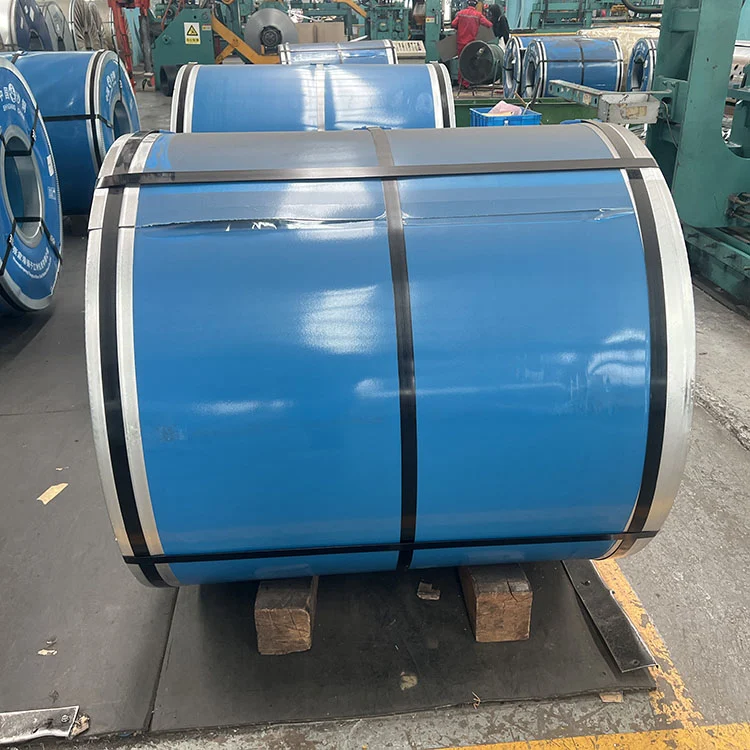
- Spread between GOES and NOES continues to widen. High-grade, thin-gauge products (e.g., 0.20mm, 0.23mm Hi-B) command a 30–50% premium over standard grades due to scarce capacity.
- The U.S. market is heavily distorted by the 50% full-value tariff and transformer delivery bottlenecks.
3. The Four Forces Driving Electrical Steel Prices in 2026
3.1 The AI Data Center Transformer Crunch
- Capex explosion: Alphabet, Amazon, Meta, and Microsoft will spend a combined over $650 billion on AI infrastructure in 2026.
- Construction lags:Of ~140 U.S. data center projects planned for 2026, only one-third are actually breaking ground. The bottleneck is not demand—it’s transformers, switchgear, and batteries.
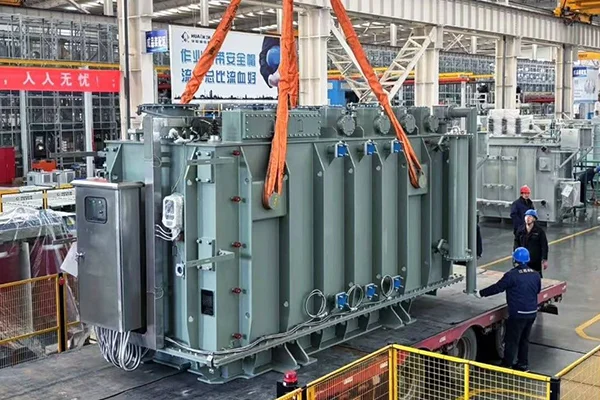
- Lead times broken: High-voltage transformer delivery lead times have gone from 24–30 months in 2020 to as long as 5 years today.
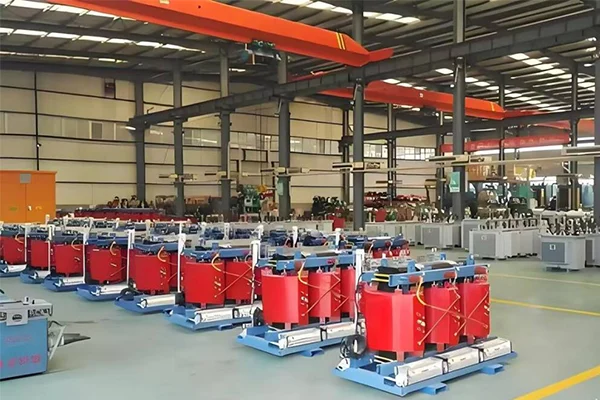
- Direct impact:Every transformer needs tons of GOES for its core. Transformer crunch = GOES crunch.
3.2 EV & Motorization Wave
- EV traction motors require ultra-thin high-frequency NOES (0.05–0.2mm), which is much harder and more energy-intensive to produce than standard NOES.
- Global electrical steel market (GOES + NOES) is expected to grow from ~5billionin2025to 26.5billionin2025to 42 billion by 2035, a CAGR of ~4.6%.
- EV-specific ultra-thin NOES will grow at more than twice that rate.
3.3 The 2026 Section 232 Tariff Shock
- Announced April 2, effective April 6:50% tariff on full value of imported steel, aluminum, and copper (previously only on metal content).
- Key cap: Grid equipment and metal-intensive industrial equipment (Annex III) enjoy a temporary 15% cap through December 31, 2027, rising to 25% in 2028.
- Critical designation: On April 20, the White House invoked DPA Section 303, officially designating electrical steel as a defense-critical material. This enables government intervention in stockpiling, allocation, and capacity investment.
3.4 China’s Supply Dominance
- Baowu Group holds >14% of global electrical steel market share (2025).
- Chinese transformer manufacturers control roughly 60% of global transformer capacity, with exports up 36% YoY in 2025.
- Implication: It is nearly impossible to decouple global transformer and electrical steel supply from China’s capacity and export policies.
4. Regional Price Breakdown & What’s Behind the Moves
- North America (U.S.) :Demand driven by AI data center expansion and grid upgrade acts (IIJA). Supply crushed by 50% tariff and insufficient domestic capacity. High energy costs further raise electric-arc furnace melting costs.
- China:Ample capacity from Baowu, Shougang, TISCO. But slowing real estate sector weakens industrial motor demand, so prices rise only mildly. Exports are more profitable, capping domestic prices.
- India: National Grid Plan commits tens of billions to T&D upgrades. High import dependence, slow local capacity ramp-up (JSW, Tata Steel) → stepwise price increases.
- Europe: Extremely high energy costs (especially for electric furnaces) plus weak auto demand keep prices softer than in the U.S. Some German transformer makers are curtailing output.
5. GOES vs NOES – Which Is Tightest?
| Grade | Tightness Level | Why | Premium |
| GOES | Extremely tight | Hi-B high-permeability, thin-gauge (≤0.23mm) capacity is globally constrained. Transformer mills have locked up multi-year contracts. | Hi-B premium over standard GOES >40% |
| NOES | Balanced for standard grades; EV grade tight | Mid/low grades have sufficient capacity. EV ultra-thin high-frequency grades (0.20–0.25mm) suffer low yield and high CapEx. | EV-grade NOES premium 50–80% over standard |
Bottom line: Ordinary transformers can wait. But the “thin gauge” needed for AI data centers and EV motors is simply not in stock anywhere.
6. Electrical Steel Price Forecast – H2 2026 and 2027
Short-term (H2 2026)
- North America:Remains strong. Tariff pass-through continues; transformer backlog >12 months; spot GOES nearly unavailable.
- China:Range-bound. High export margins but weak domestic demand and inventory overhang. Expected range $1,000–1,200/MT.
- India: Mildly upward, driven by import costs and grid tenders.
Medium-term (2027)
- Modest relief:New GOES lines from Cleveland-Cliffs (U.S.), Nippon Steel (Japan), and Baowu (China) will start up, slightly easing tightness.
- But demand growth may still outrun supply – especially for ≤0.20mm Hi-B steel. New capacity typically takes 2–3 years to reach stable production.
- Key risks:
- Geopolitical conflicts (e.g., Taiwan Strait, Hormuz) spiking marine insurance and freight.
- Natural gas and power price spikes.
- S. tariff policy changes after the 2026 election.
- Annex III 15% cap expires end-2027, jumps to 25% in 2028 → sharp cost increase for grid equipment.
7. How Buyers Can Hedge & Source Smarter
Especially critical for transformer manufacturers, motor shops, and OEM purchasing managers.
1.Long-term contracts vs. spot
For GOES, sign 12–24 month contracts to lock volume and base price. Spot market is extremely scarce with massive premiums.
For standard NOES, keep 30–40% spot exposure for flexibility.
2.Book GOES well in advance
Establish rolling forecasts with mills and place orders 12–24 months ahead. Do not wait for transformer contracts to be awarded.
3.Use the Annex III window
U.S. importers: Grid equipment enjoys a 15% tariff cap through end of 2027. If your project cannot be completed before 2027, assess the impact of the 25% rate in 2028 and consider pre-buying material.
4.Multi-sourcing – don’t rely only on China
Evaluate alternative sources: India (JSW, POSCO India), Korea (POSCO), Vietnam (Formosa Ha Tinh) . Grade qualification takes time, but it is a mid-term risk hedge.
5.Strictly verify melt & pour documentation
The U.S. 50% tariff uses melt & pour location to determine country of origin. Ensure suppliers provide full MTC (Mill Test Certificate) and certificates of origin to avoid compliance risks.
*This article is based on public data and industry interviews as of March 2026. It does not constitute investment or trading advice. Markets move fast – please refer to real-time quotes for purchasing decisions.*
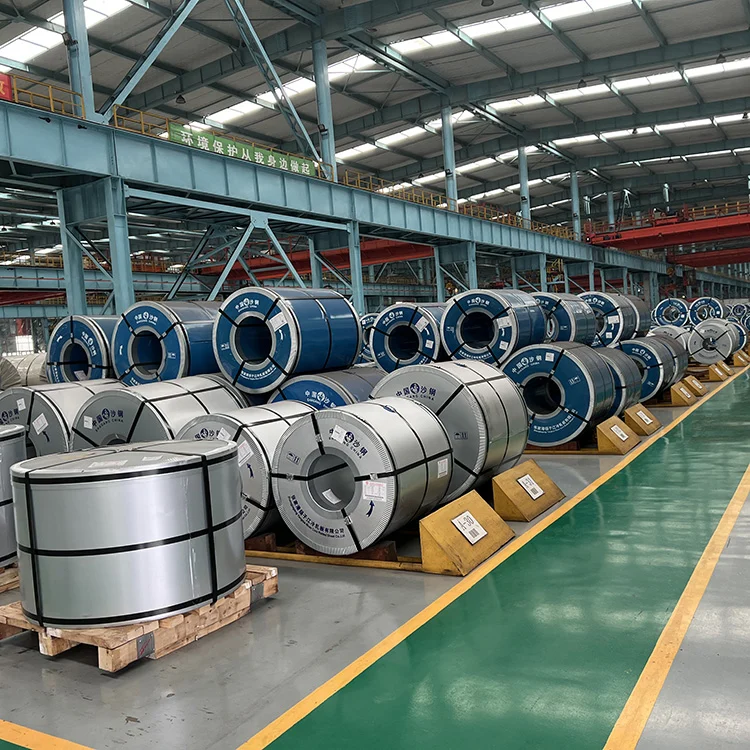
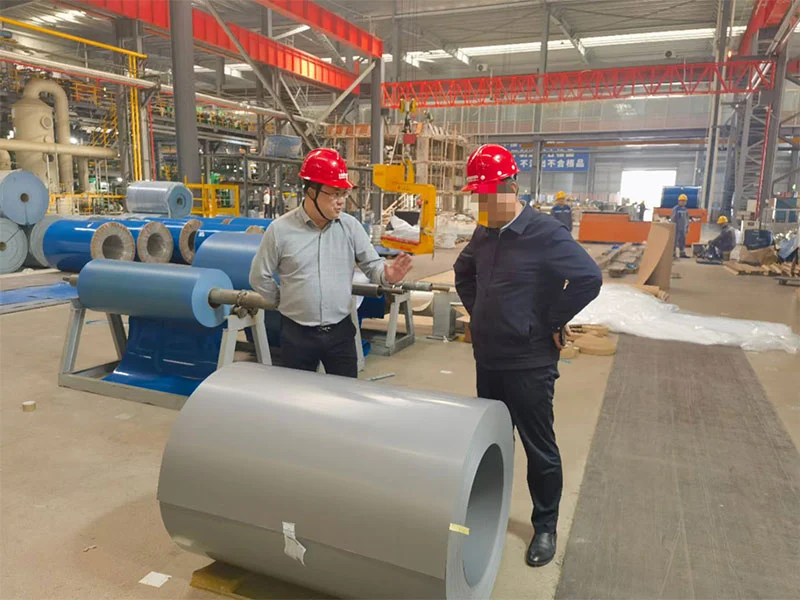
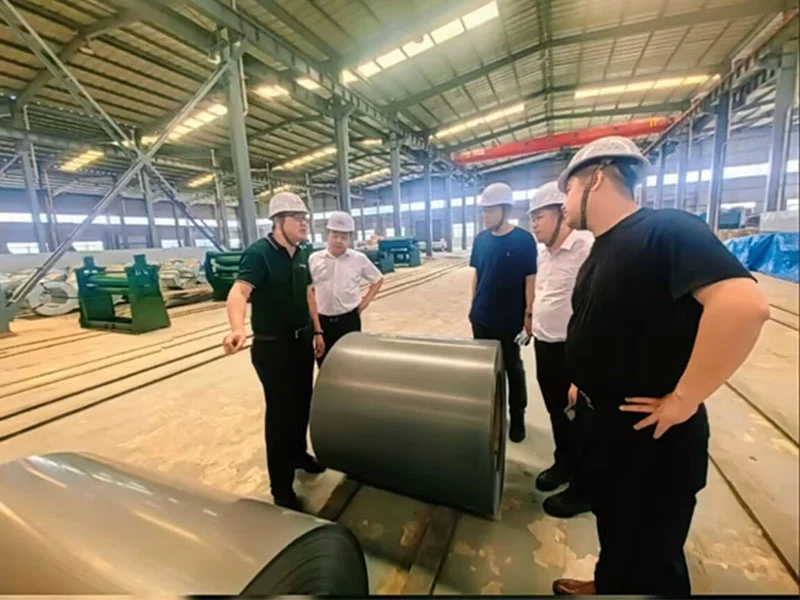
In today’s market, not many suppliers can consistently deliver high-grade thin-gauge grain-oriented electrical steel (0.20mm, 0.23mm Hi-B) and non-grain-oriented electrical steel for EV applications (0.20–0.27mm). At Wuxi Zhongxin Special Steel, we secure long-term contract volumes from major mills like Baowu and Shougang, and we provide in-house slitting and shearing services. This allows us to offer our customers a flexible mix of spot and 12-month fixed contracts. Our advice: reach out to our technical sales team early to lock in grades and delivery windows. In the 2026 transformer and electrical steel crunch, waiting passively costs more than securing steel proactively.