
Nicht jede Bestellung beginnt mit einem Produktionsplan. Diese Bestellung kam per Telefonanruf von einem südamerikanischen Leistungstransformatorhersteller, dessen bisheriger Lieferant gerade eine Sendung um sechs Wochen verschoben hatte – eine Verzögerung, die ihre Wickellinie hätte stilllegen können. Sie hatten keine sechs Wochen Zeit. Sie hatten etwa zehn Tage, bevor ihre eigene Lieferfrist fällig wurde.
Das ist die Bestellung, die dieses Profil abdeckt: 42 Tonnen Standard-CRGO, auf die exakte Sorte und Blechdicke abgestimmt, geprüft und aus unserem eigenen Lagersortiment versandt, anstatt sich in der Warteschlange einer Produktion einzureihen.
Der Netzausbau in Südamerika hat in den letzten Jahren mehr Transformatorenfertigungskapazität in die Region gezogen und damit auch mehr Käufer, die Elektroband bislang nur über eine einzige Beziehung mit langer Lieferzeit bezogen haben. Für einen Käufer ohne Ausweichplan kann ein verpasstes Lieferfenster ein größerer Schock sein als die gleiche Verzögerung für einen, der mehrere Lieferanten jongliert – genau in dieser Position befand sich dieser Käufer.
Wichtigste Punkte
- 42 Tonnen Standard-CRGO-Elektroband (Sorte M140-30S5), auf die bestehende Spezifikation des Käufers abgestimmt, aus Lagerbestand gezogen, anstatt aus einer neuen Produktion.
- Bestellung innerhalb von 48 Stunden nach der Lieferverzögerung des bisherigen Lieferanten um sechs Wochen aufgegeben und bestätigt.
- Physische Rollen fotografiert und anhand von Wärmepartie-Werksprüfzeugnissen abgeglichen, bevor der Käufer die Zahlung autorisierte – die Verifizierung erfolgte per Messaging und nicht vor Ort.
Kundenanforderungen
Die Schneidanlage des Käufers arbeitet nach einer bestimmten Standard-CRGO-Spezifikation, die dieser bereits bei einem anderen Lieferanten qualifiziert hatte — sie brauchten keine Neuqualifizierung einer neuen Güte, sondern dieselbe Spezifikation schnell genug geliefert, um ihre Produktion am Laufen zu halten.
| Spezifikation | Kundenanforderung |
|---|---|
| Produkttyp | Standard CRGO (M140-30S5 Klasse) |
| Bestellmenge | 42 Tonnen |
| Ummagnetisierungsverlust | ≤1,40 W/kg bei 1,7T/50Hz |
| Magnetische Induktion (B8) | ≥1,82T |
| Dicke | 0,30mm |
| Spulenbreite | 1000mm (einzelne Standardbreite, kein maßgeschneidertes Längsteilen erforderlich) |
| Beschichtung | C5 Isolationsbeschichtung |
| Innendurchmesser | 508mm |
| Dokumentation | Werksprüfzeugnis zur physischen Spule nach Chargennummer zugeordnet |
| Lieferbedingungen | FOB Shanghai, beschleunigtes Booking |
| Lieferzeit | Bestätigte Bestellung bis Hafenankunft in unter 10 Tagen |
Das entscheidende Detail war hier nicht eine Spezifikation auf dem Papier — es war der Nachweis, bevor der Käufer die Zahlung überwies, dass die in unserem Lager stehenden Spulen tatsächlich dem Zeugnis entsprachen, das wir angeboten hatten. Eine Schnellbestellung verkürzt das Überprüfungsfenster, das Käufer normalerweise haben, was die Anforderungen an die Verifizierung eher erhöht als senkt.
Warum Standard-CRGO und nicht ein Ersatzgrad
Die Qualifizierungsprüfungen des Käufers waren bereits gegen Standard-CRGO in M140-30S5 durchgeführt worden — ein Wechsel zu einem Hi-B-Grad oder einer anderen Verlustklasse „nur weil sie verfügbar war" hätte bedeutet, dass der Käufer sein Stanzen und seine Wickelprozesse gegen ein Material neu hätte qualifizieren müssen, für das sein Werkzeug nicht ausgelegt war, auf einem Zeitplan, der dafür keinen Platz bot.
Das ist der Kompromiss, den ein unter Zeitdruck stehender Käufer beachten muss: Ein Lieferant, der einen Eilauftrag abschließen möchte, könnte anbieten, welches Premium-Material gerade greifbar ist, als Verbesserung dargestellt. Für einen Käufer, dessen Produktionslinie bereits auf einen bestimmten Standard-Grad abgestimmt ist, ist eine ungeforderte Verbesserung eine Verzögerung im Gewand eines besseren Datenblatts.
Beschaffung aus bestehendem Lagerbestand
Wir halten ständig Lagerbestände gängiger CRGO-Spezifikationen genau für Situationen wie diese — wenn die eigene Lieferkette eines Käufers unerwartet ausfällt und Material schneller benötigt wird, als ein neuer Produktionslauf ermöglicht.
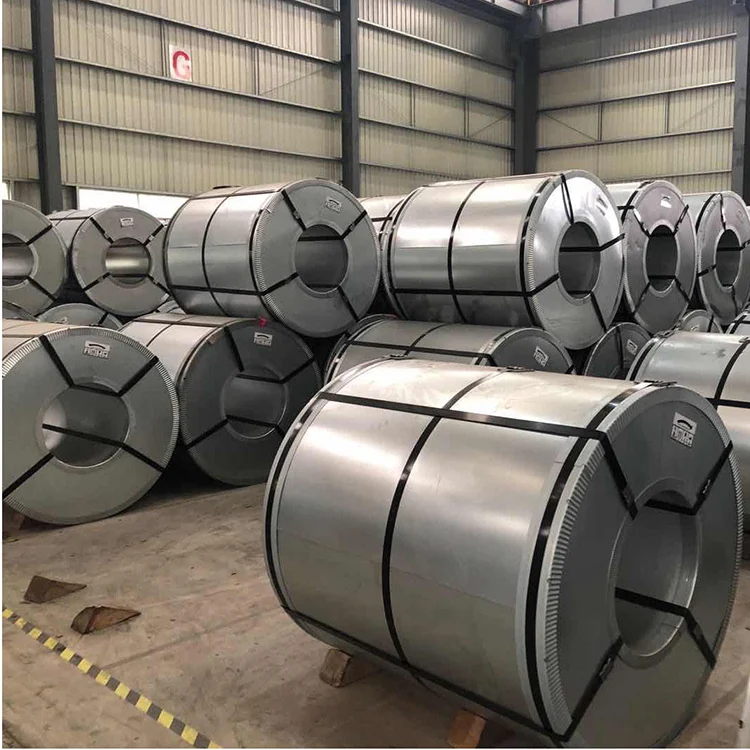
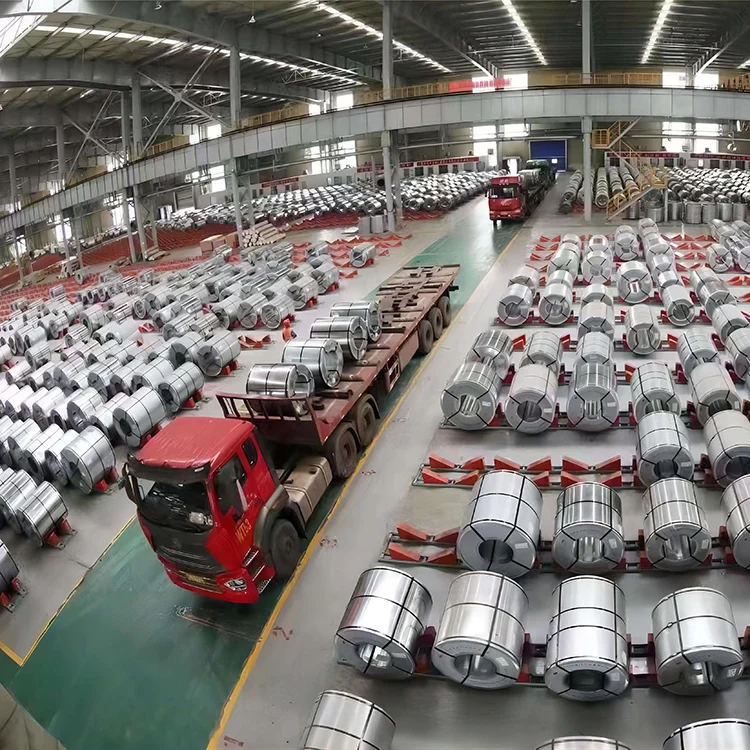
Diese Bestände helfen nur, wenn es sich dabei tatsächlich um die richtige Spezifikation handelt. Vor der Angebotserstellung für diese Bestellung haben wir unser Lager anhand der exakten Sorte, Dicke und Beschichtungsanforderung des Käufers überprüft – nicht anhand eines „ausreichend ähnlichen" Ersatzstoffs, der bei oberflächlicher Betrachtung akzeptabel wirken würde, aber die Toleranzen der Fertigungslinie nicht erfüllt. Käufer unter Zeitdruck werden manchmal zu „gleichwertigen" Materialien gedrängt; die Einhaltung der tatsächlichen Spezifikation ermöglichte es dagegen, diese Sendung direkt auf ihrer Linie einzusetzen, ohne eine Requalifizierungsverzögerung zu verursachen.
Jedes für diese Bestellung ausgewählte Elektroband stammte nach Möglichkeit aus dem gleichen Produktionslos, um die Chargenschwankungen enger zu halten als bei der Beschaffung von 42 Tonnen aus mehreren nicht verbundenen Losen. Unser Lieferantenprüfprozess beschreibt, wie wir die Hersteller überprüfen, aus denen dieses Material ursprünglich stammt – derselbe Standard gilt sowohl bei unmittelbarem Versand aus einer neuen Produktion als auch hier, wo das Material bereits in unserem Lager lagert.
Warum wir diesen Bestand überhaupt halten
Kapital in stehenden Spulenbeständen zu binden macht nur für Spezifikationen Sinn, die zuverlässig umgeschlagen werden — ein gängiges M140-30S5 CRGO in Standardbreite ist genau diese Art von Spezifikation, anders als eine schmale Sonderbreite oder ein Hi-B-Grade, der auf ein einzelnes Käufer-Werkzeug zugeschnitten ist. Das ist eine bewusste Unterscheidung: Lagertiefe funktioniert für gängige, fungible Spezifikationen; eine kundenspezifische Produktion ist weiterhin der richtige Weg für alles Maßgeschneiderte.
Diese Bestellung fiel genau in die erste Kategorie, weshalb die Bereitstellung aus dem Lager überhaupt erst möglich war. Ein Käufer, der eine Sonderbreite oder eine ungewöhnliche Beschichtung bei kurzem Liefertermin benötigt, würde ein schwierigeres Gespräch führen, weil dieses Material einfach noch nicht in irgendeinem Lager vorhanden ist.
Überprüfung vor dem Versand
Ein Käufer, der für Bestand bezahlt, den er nicht selbst produziert hat, geht ein höheres Vertrauensrisiko ein als einer, der seine eigene Bestellung durch die Qualifizierung beobachtet hat. Wir haben diese Lücke geschlossen, wie bei den meisten unserer Express-Bestellungen: Fotobestätigung gegen die Dokumentation, direkt an den Käufer gesendet, bevor er die Zahlung freigab.
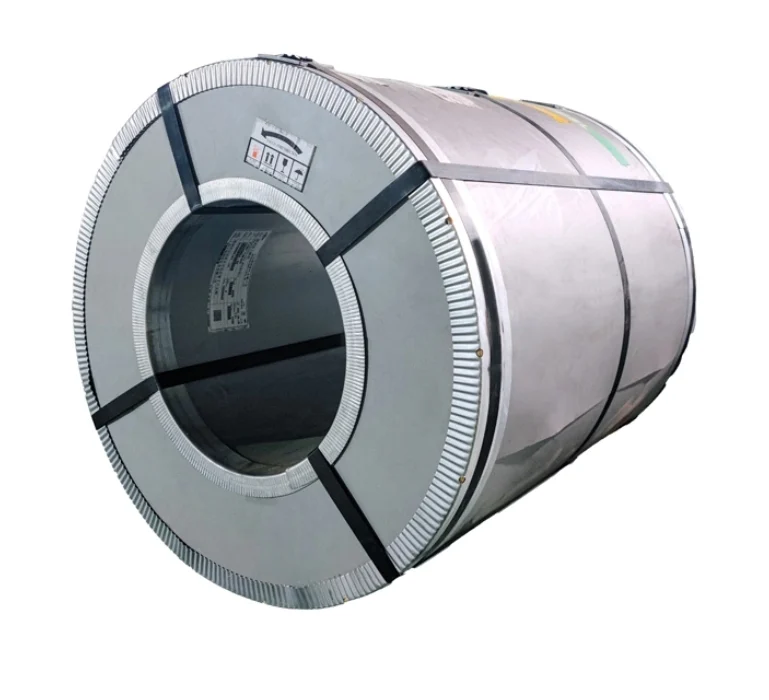
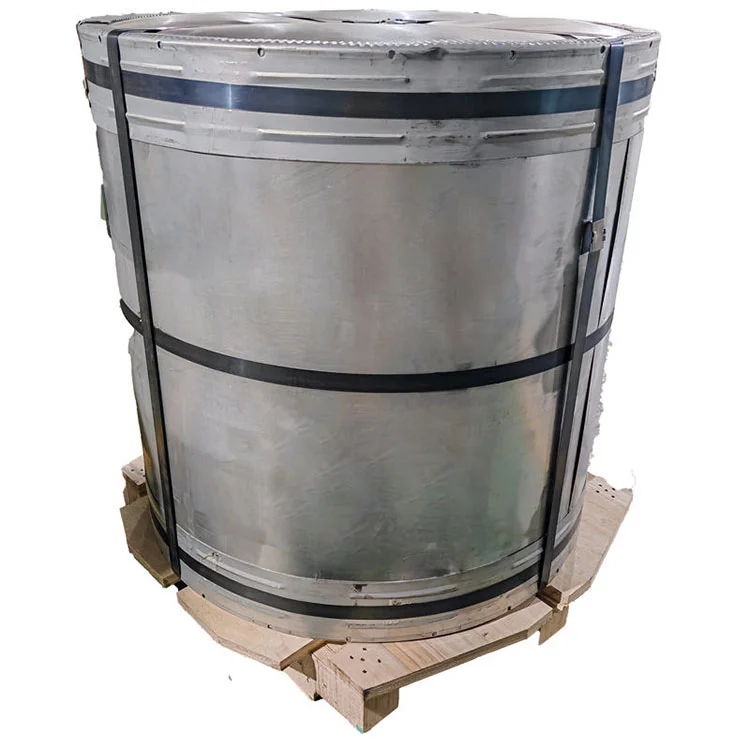
Das Team des Käufers forderte ein aktuelles Foto der tatsächlichen Spulen für seine Bestellung an, abgeglichen gegen die Chargennummern auf den Werksprüfzeugnissen, die wir bereits gesendet hatten. Dieser Austausch fand über WeChat statt — keine formale Dokumentation, aber der schnellste Kanal für einen Käufer, der vor der Freigabe einer Überweisung bei straffen Fristen eine Antwort am selben Tag brauchte.
Dieser Schritt existiert, weil „auf Lager" und „spezifikationskonform" nicht dasselbe aussagen. Ein Lager voll Spulen, die einer Gütebezeichnung auf dem Papier entsprechen, kann immer noch eine Spule mit beschädigtem Rand oder falscher Chargennummer enthalten, wenn niemand das physikalische Material vor dem Versand gegen seine Dokumentation überprüft — die Übereinstimmung von Foto und Zeugnis bestätigt, dass die beiden bei dieser speziellen Bestellung übereinstimmen, nicht nur im Allgemeinen.
Was der Käufer tatsächlich überprüfte
Das Team des Käufers forderte drei Dinge beim Fotenaustausch an: ein klares Bild des Chargenlabels auf jeder Spule, eine Weitwinkelaufnahme, die den Kantenbestand und die Verpackungsintegrität zeigt, und die Bestätigung, dass die Beschichtungscharge mit der angegebenen Bescheinigung übereinstimmte. Dies sind keine außergewöhnlichen Anforderungen – es sind die gleichen Überprüfungen, die ein Käufer beim persönlichen Lagerspaziergang durchführen würde, verdichtet in einen WeChat-Thread, weil ein persönlicher Besuch auf dieser Zeitschiene nicht möglich war.
Diese Verdichtung ist der eigentliche Mehrwert der Praxis, nicht ein schwächerer Ersatz für einen Besuch vor Ort. Ein Käufer, der unabhängig vom Kanal die gleichen Kategorien von Verifikation fordert, erhält eine mit einer Inspektionen vor Ort vergleichbare Sicherheit — das Medium hat sich geändert, nicht der Standard.
Qualitätsdokumentation auf gelagerter Spule
Der Versand aus dem Lager bedeutet nicht, dass ohne vollständige Testdaten versendet wird — es bedeutet, dass diese Daten bereits vorliegen, anstatt bei einem Produktionslauf neu erstellt zu werden.
| Test | Standard | Was es bestätigt |
|---|---|---|
| Spezifischer Ummagnetisierungsverlust | IEC 60404-2 (Epstein-Rahmen) | Tatsächliche W/kg gegen die Obergrenze von 1,40 |
| Magnetische Induktion (B8) | IEC 60404-2 | Richtungsabhängige magnetische Leistung |
| Dicke und Breite | Schieblehre / Lasermessgerät | Toleranz gegen Sollwert 0,30 mm und 1000 mm |
| Schichtdicke und Isolationswiderstand | ASTM A717 | Integrität der Zwischenschichtenisolation |
| Oberflächenqualität | Sichtprüfung + automatisierte Abtastung | Kratzer, Grate, Beschichtungsmängel |
Jede Spule in unserem Lager hat ihr Epstein-Rahmen-Ummagnetisierungsverlustergebnis und die Chargennummer bei der Aufnahme in unser Lagerverwaltungssystem protokolliert, nicht bei Bedarf erstellt, wenn ein Käufer anruft. Das ermöglichte hier die Sofortoffertenerstellung — die Beschaffung verifizierten Daten für Kandidatenspulen dauerte Minuten, nicht einen neuen Testzyklus.
Der Käufer entschied sich gegen eine unabhängige Inspektionen bei dieser Bestellung angesichts des straffen Zeitplans und verließ sich stattdessen auf das Werksprüfzeugnis sowie die obige Fotoüberprüfung. Das ist ein vernünftiger Kompromiss bei einer Eilbestellung mit einer etablierten Güte; wir würden den zusätzlichen Schritt empfehlen, der in unserem Vergleich SGS, BV, TÜV beschrieben ist, bei jeder Bestellung, bei der der Zeitplan dies erlaubt.
Versand und Logistik
Nach Zahlungseingang ging es schnell voran: Die Spulen wurden innerhalb eines Tages nach Bestätigung auf einem Flachbett verladen und zum Abfahrtshafen transportiert, um auf das nächste verfügbare Schiff mit freier Kapazität gebucht zu werden.
Fünf Spulen pro Lastwagen, mit Ketten gesichert, nicht nur mit Gurten, da die straffe Vorbereitszeit keine Möglichkeit für den Container- und Dunnage-Aufbau ließ, den wir normalerweise bei einer geplanten Bestellung nutzen – ein vertretbarer Kompromiss für eine kürzere inländische Transportstrecke zum Hafen, weniger sinnvoll für die Seestrecke selbst, wo die Spulen vor dem Laden ins Schiff in Standard-Exportverpackung umgepackt wurden.
Wir buchten einen Platz auf der nächsten verfügbaren Abfahrt, statt auf den ursprünglich bevorzugten Spediteur des Käufers zu warten, da die ganze Absicht des Abrufes aus dem Bestand darin bestand, seinen überarbeiteten Termin einzuhalten. Dieser Kompromiss – weniger Auswahl beim Spediteur im Gegenzug für Terminsicherheit – ist normalerweise die richtige Entscheidung bei einer echten Eilbestellung, und wir haben ihn dem Käufer als Entscheidung mitgeteilt, anstatt sie stillschweigend in seinem Namen zu treffen.
Eilbestellung-Zeitplan versus Standard-Produktionslauf
| Phase | Diese Bestellung (Aus Bestand) | Typische Auftragsfertigung |
|---|---|---|
| Angebot und Bestandsabgleich | Gleicher Tag | 2–3 Tage |
| Überprüfung (Foto + Zertifikat) | 1 Tag | Nicht anwendbar (Käufer prüft einen abgeschlossenen Produktionslauf) |
| Rohspulen-Beschaffung / Fertigung | Nicht anwendbar – aus Bestand entnommen | 8–10 Tage |
| Verpackung und Lastwagenladung | 1 Tag | 3–4 Tage |
| Hafenankunft und Schiffsbuchung | 2–3 Tage | 2–3 Tage |
| Gesamt, bestätigte Bestellung bis versandbereit | Unter 10 Tagen | 25–40 Tage |
Der Unterschied zwischen diesen beiden Zeitplänen liegt vollständig in der Phase der Rohspulen-Beschaffung und Fertigung – alles nach dem Punkt “Material existiert physisch” läuft in beiden Fällen in etwa dem gleichen Tempo ab. Das ist der ganze Sinn des Bestandshaltung: Sie entfernt die eine Phase, die bei Bedarf nicht komprimiert werden kann.
Warum Käufer sich für Zhongxin entscheiden
Lagerbestände in handelsüblichen Spezifikationen. Wir führen Bestände in den Sorten, die Käufer kurzfristig am häufigsten benötigen, so dass eine Versorgungslücke nicht automatisch eine vollständige Produktions-Lieferzeit nach sich zieht.
Überprüfung, die dem tatsächlichen Zeitplan entspricht. Foto- und Zertifikat-Bestätigung per Nachricht verschafft dem Käufer die Sicherheit, die eine formale Überprüfung bietet, komprimiert in Stunden statt Tagen, wenn der Zeitplan es verlangt.
Keine Spezifikationsabweichung unter Druck. Eine Eilbestellung wird gegen die tatsächliche Sorte und Stärke des Käufers abgeglichen, nicht gegen ein ähnliches Material, das zufällig am nächsten zum Verladetor liegt.
Ehrliche Kompromisse, von Anfang an mitgeteilt. Wenn eine Eillieferung weniger Flexibilität bei Spediteur oder Verpackungsaufbau bedeutet, teilen wir diese Entscheidung dem Käufer mit, anstatt ihn sie nach der Lieferung entdecken zu lassen.
Für Käufer, die bewerten, ob eine Spezifikationsabweichung unter Zeitdruck ein echtes Risiko darstellt, behandelt unser Middle-East-Bestellprofil das Gegenszenario — einen geplanten Mehrbreiten-Produktionslauf — und der Vergleich ist hilfreich, um zu sehen, welche Situation wirklich welchen Ansatz erfordert.
Häufig gestellte Fragen
Kann Elektroband wirklich aus Bestand versandt werden, ohne einen vollständigen Produktions- und Prüfzyklus durchzulaufen?
Ja, vorausgesetzt, der Bestand trägt bereits vollständige Prüfdaten und Wärmechargenverfolgbarkeit von dem Zeitpunkt, als er ins Lager kam — die Prüfung wird nicht übersprungen, sie ist bereits abgeschlossen. Was vor dem Versand noch überprüft werden muss, ist, dass die spezifischen physischen Spulen der exakten Spezifikation des Käufers entsprechen und dem angebotenen Werksprüfzeugnis entsprechen.
Wie überprüfen Sie, dass eine gelagerte Spule ihren Papieren entspricht, wenn ein Käufer sie nicht persönlich inspizieren kann?
Fotoüberprüfung, abgeglichen mit der Wärmechargenummer des Werksprüfzeugnisses, ist die Standardmethode bei straffer zeitlicher Vorgabe — sie bestätigt, dass die physische Spule im Lager diejenige ist, die das Werksprüfzeugnis beschreibt, nicht eine Ersatzspule aus einer anderen Charge.
Wie realistisch ist die Lieferzeit für eine beschleunigte CRGO-Bestellung aus dem Lager?
Für eine bereits vorrätige Spezifikation sind bestätigte Bestellung bis zur versandfertigen Fracht in unter zwei Wochen erreichbar, wie hier geschehen. Das steht einem typischen Lieferzeitrahmen von 25–40 Tagen für eine neue Produktionscharge gegenüber — der Unterschied liegt vollständig im Fertigungsschritt, nicht in der Prüfung oder Dokumentation.
Bedeutet der Versand aus dem Lager, eine niedrigere Qualität oder eine Ersatzsorte zu akzeptieren?
Nein — und ein Käufer sollte „ähnliche Sorte" bei jeder Eilbestellung als Warnsignal behandeln. Der Sinn der Abgleichung tatsächlicher Bestände mit einer tatsächlichen Spezifikation besteht darin, dass das Material identisch mit einer maßgefertigten Lieferung derselben Sorte funktioniert, nicht darin, einfach das anzunehmen, was vorrätig ist.
Ist die WeChat-Fotobestätigung ein Ersatz für die Fremdüberwachung?
Kein vollständiger Ersatz — sie bestätigt, dass die Spule ihren eigenen Unterlagen entspricht, nicht eine unabhängige Überprüfung der Genauigkeit der Unterlagen. Bei Bestellungen, bei denen der Zeitrahmen es zulässt, empfehlen wir dennoch die Fremdüberwachung parallel dazu, nicht statt dazu.
Sollte jeder Käufer einen reservierten CRGO-Lieferanten bereithalten, auch ohne ein aktuelles Versorgungsproblem?
Für jedes Unternehmen, das mit einer gängigen, standardisierten Spezifikation arbeitet, kostet die Qualifizierung einer zweiten Quelle, bevor sie benötigt wird, weit weniger, als sich während einer Krise um eine zu bemühen. Der Wert einer Backup-Geschäftsbeziehung liegt großenteils darin, bereits bestätigt zu haben, dass sie Ihre genaue Spezifikation tatsächlich aus dem Lager bereitstellen können — ein Kaltanruf während einer Engpässituation bringt Ihnen schnell genug selten eine klare Antwort dazu.
Lektionen für Käufer bei Engpässen in der Versorgung
Eine Versorgungsunterbrechung führt normalerweise zu denselben grundlegenden Entscheidungen, unabhängig davon, welcher Lieferant letztendlich angerufen wird.
Erfragen Sie vor der Annahme einer „ähnlichen" Sorte, was tatsächlich verfügbar ist. Ein unter Druck stehender Lieferant kann das verfügbare Äquivalent anbieten, anstatt genau das geforderte Produkt zu liefern — bestätigen Sie vor der Zustimmung, dass Sorte, Dicke und Beschichtung übereinstimmen.
Fordern Sie fotografische Verifikation anhand von Schmelzlosnummern ein, nicht nur ein Zertifikat. Ein Zertifikat allein beweist nicht, welche physischen Spulen es beschreibt und tatsächlich versandt werden — fordern Sie beides an und bringen Sie es in Einklang miteinander.
Rechnen Sie mit Kompromissen bei der Logistikflexibilität. Ein echter Eilversand bedeutet in der Regel weniger Wahlmöglichkeiten bei Spediteur und Versanddatum im Austausch für die Einhaltung der Frist — ein Lieferant, der dies von vornherein nicht erwähnt, könnte die Kompromisse herunterspielen.
Lassen Sie die Dokumentation nicht aus, auch nicht bei Eilbestellungen. Eilversand muss nicht undokumentiert bedeuten — fragen Sie gezielt, welche Testdaten mit der Sendung mitgeliefert werden, genauso wie bei einer geplanten Bestellung.
Kennen Sie die realistische Lagerfähigkeit von Spezifikationen, bevor Sie sie dringend benötigen. Eine handelsübliche Standardsorte in Standardbreite befindet sich mit größerer Wahrscheinlichkeit in einem Lager als eine Sonderbreite oder ungewöhnliche Beschichtung — wenn Ihr Betrieb auf letztere angewiesen ist, muss eine Ersatzlieferantenbeziehung qualifiziert sein, lange bevor eine Krise eintritt, nicht erst während einer.
Fazit
Eine Lieferunterbrechung bei einem anderen Lieferanten muss nicht zu einem Produktionsstillstand bei Ihnen führen, vorausgesetzt das Ersatzmaterial wird gegen Ihre tatsächliche Spezifikation geprüft und nicht nur gegen das, was sich am schnellsten bewegen lässt. Diese Bestellung kam in unter zwei Wochen vom ersten Anruf bis zur versandfertig gelagerten Fracht zustande, weil das Material bereits auf Lager vorhanden war und der Verifizierungsschritt auf die Zeitplanung abgestimmt war, nicht weil man ihn übersprungen hat.
Die breitere Erkenntnis für Einkäufer, die eine Einfach-Lieferanten-Beziehung für eine Standard-CRGO-Spezifikation pflegen: eine gelagerte Ausweichquelle ist keine Versicherung, die Sie bemerken, bis Sie sie brauchen, und bis dahin bleibt üblicherweise keine Zeit, eine von Grund auf zu qualifizieren. Zu wissen, welcher Lieferant Ihre exakte Spezifikation tatsächlich aus dem Lager bereitstellen kann – nicht nur eine Lieferzeit anbieten kann – lohnt sich, vor einer Verzögerung zu bestätigen.


