
Grain-oriented silicon steel (CRGO) prices have increased approximately 40–70% since 2020, according to BusinessAnalytiq’s Grain-Oriented Electrical Steel Price Index. For transformer manufacturers, this is not an abstract market trend — it directly compresses margins and complicates fixed-price project bids. This article explains precisely why CRGO costs what it does, what will drive prices over the next 12–24 months, and how procurement teams can build more resilient sourcing strategies.
Core Key Points
- CRGO prices have risen 40–70% since 2020, driven by transformer demand, energy grid investment, and constrained production capacity.
- CRGO carries a processing premium of $300–$500 per tonne above standard cold-rolled steel; silicon additions alone add $150–200/tonne.
- The global CRGO market is highly concentrated: Baosteel (China), NLMK (Russia), Nippon Steel (Japan), and JFE (Japan) supply approximately 80% of world output.
- The transformer order backlog reached 4–5 years at major OEMs in 2025, creating sustained demand that will keep CRGO prices elevated through at least 2027.
- Long-term contracts (12–24 months) with price adjustment clauses indexed to HRC (hot-rolled coil) are the most effective hedge against CRGO price volatility.
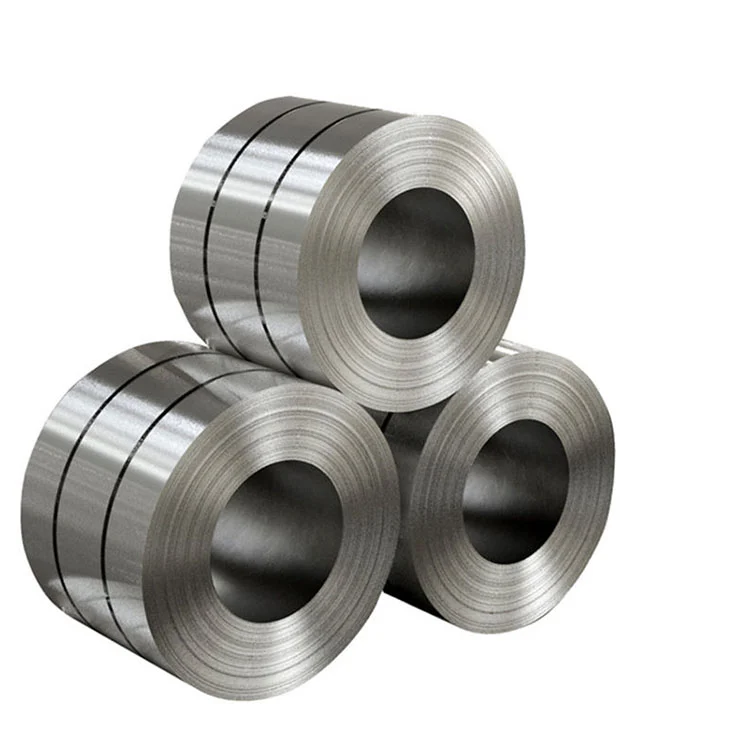
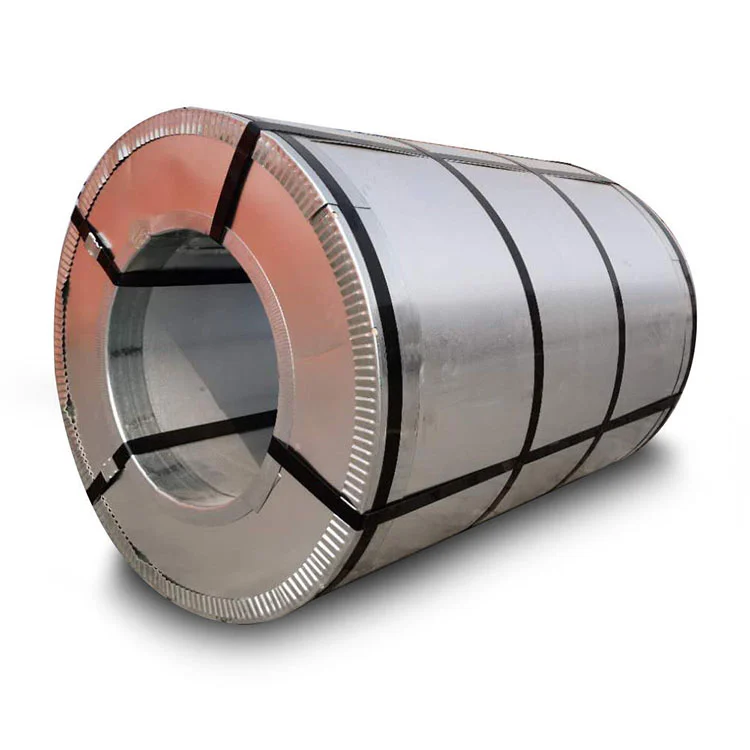
What Makes CRGO So Expensive to Produce?
CRGO is among the most metallurgically complex flat-rolled steel products commercially produced. Its price premium reflects genuine production complexity, not margin extraction.
Key cost drivers in CRGO manufacturing:
- Secondary recrystallization — The defining process that aligns crystalline grains along the rolling direction requires a precisely controlled, multi-day high-temperature annealing cycle at 1,150–1,250°C. Energy cost alone for this step accounts for 8–12% of total CRGO production cost.
- Multiple cold-rolling stages — CRGO undergoes 3–5 cold-rolling passes with intermediate annealing, each requiring process control far tighter than standard steel. Total rolling reduction from hot band to finished gauge is typically 70–80%.
- Low-carbon specification — CRGO must achieve carbon levels below 30 ppm after decarburization annealing. Achieving sub-30 ppm carbon requires controlled atmosphere annealing in pure hydrogen — expensive infrastructure.
- Inhibitor chemistry — Adding inhibitors (aluminum nitride, manganese sulfide) that control grain growth during secondary recrystallization requires precise alloy chemistry and consistent casting practice.
- Surface coating — A ceramic (MgO-based glass film) insulation coating applied after secondary recrystallization must be defect-free and meet IEC 60404-11 coating class specifications.
- Tight tolerance requirement — Thickness tolerance for 0.27 mm Hi-B CRGO is typically ±0.010 mm — ten times tighter than standard hot-rolled steel. Rejection rates are meaningfully higher than commodity steel products.
7 Price Drivers in 2026
1. Grid Infrastructure Investment Surge
According to the International Energy Agency (IEA) Electricity Grids and Secure Energy Transitions (2023), global grid investment must reach $600 billion per year by 2030 to meet energy transition targets — nearly double the 2022 level. Each kilometer of new high-voltage transmission line requires transformer banks, and each transformer requires CRGO cores. The IEA estimates that transformer demand will grow at a compound annual rate of 5.8% through 2030, outpacing CRGO production capacity growth of approximately 3–4% per year.
2. Concentrated Supply Base
Approximately 80% of global CRGO capacity is held by four producers: Baosteel (China), NLMK (Russia/international), Nippon Steel (Japan), and JFE Steel (Japan). Trade sanctions on NLMK following 2022 removed a meaningful supply block from European and North American markets, tightening availability and contributing to the 2022–2023 price spike.
3. Rare-Earth and Inhibitor Material Costs
Hi-B CRGO grades require precise quantities of inhibitor elements — manganese, sulfur, aluminum, and in some grades, small additions of copper and tin. Manganese prices increased 35% between 2023 and 2025 per the London Metal Exchange index.
4. Energy Cost Escalation
High-temperature annealing for CRGO secondary recrystallization is energy-intensive. European CRGO producers faced energy cost increases of 80–120% in 2022–2023 due to natural gas price escalation. These costs have partially normalized but remain elevated relative to 2019 baselines.
5. EV Motor Steel Competition
Ultra-thin CRNGO for EV motors shares production lines and alloying systems with standard electrical steel. As EV production scales — global EV sales reached 17.1 million units in 2024 according to the IEA’s Global EV Outlook 2025 — competing demand for specialty electrical steel production capacity tightens supply across all grades.
6. Quality Upgrade Pressure
Tightening efficiency regulations globally (EU EcoDesign, US DOE TP-2, China S20) are shifting demand from standard-grade CRGO (B35G130) toward higher-grade, higher-cost Hi-B CRGO (B27G100, B23G090). The product mix shift increases average selling prices even if underlying commodity costs are stable.
7. Currency and Freight
CRGO is predominantly priced in USD. Buyers in EUR, BRL, INR, or IDR markets face additional price volatility from foreign exchange movements. Ocean freight rates for steel coils from East Asia to Europe or North America added $80–150/tonne to delivered costs in 2024–2025.
CRGO Price Benchmarks and Ranges
These are indicative market ranges for standard import grades (CIF major ports), based on market intelligence compiled by Zhongxin Steel’s export team in Q2 2026:
| Grade | Thickness | Indicative CIF Price Range (USD/tonne) |
|---|---|---|
| B35G130 (Standard) | 0.35 mm | $1,800–$2,200 |
| B30G120 (Standard) | 0.30 mm | $2,000–$2,400 |
| B27G120 (Standard) | 0.27 mm | $2,200–$2,600 |
| B30G110 (Hi-B) | 0.30 mm | $2,400–$2,900 |
| B27G100 (Hi-B) | 0.27 mm | $2,600–$3,100 |
| B23G090 (Hi-B) | 0.23 mm | $2,900–$3,500 |
| Ultra-thin CRGO 0.15 mm | 0.15 mm | $3,500–$4,500 |
Prices are indicative and fluctuate with mill base prices, order volume, and delivery terms. Contact Zhongxin Steel for current firm quotation.
The Transformer Order Backlog Effect
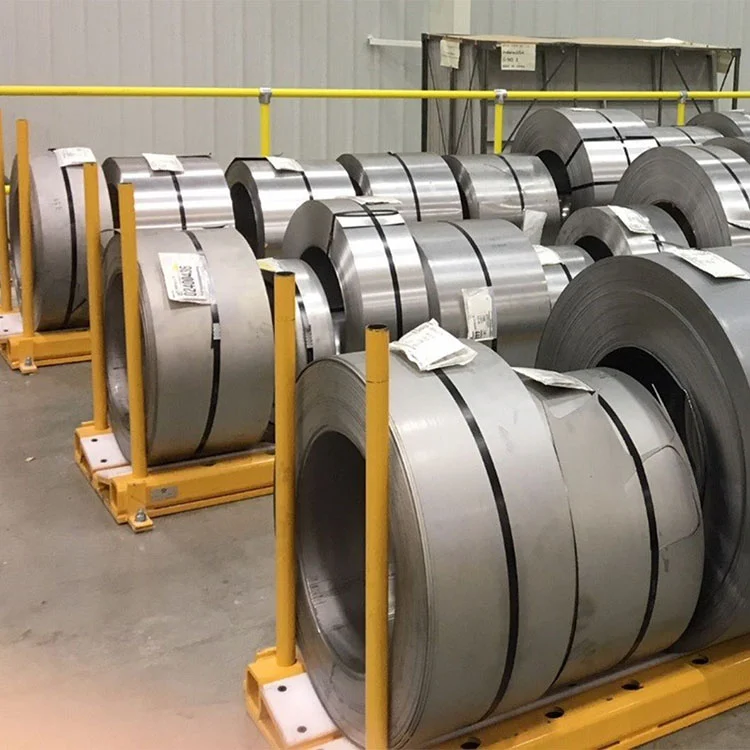
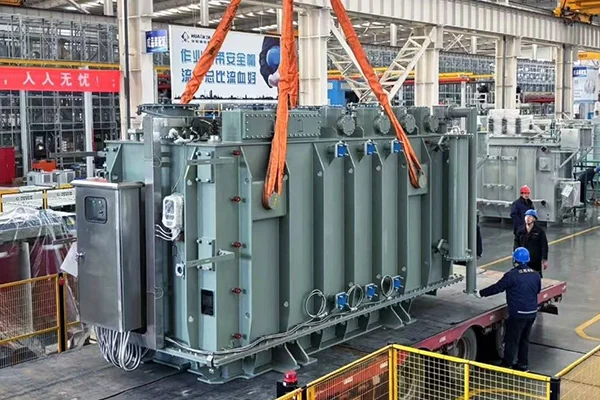
Perhaps the single most important CRGO price factor in 2026–2027 is the unprecedented transformer order backlog. Major transformer OEMs including ABB, Siemens Energy, and Hitachi Energy reported lead times of 4–5 years for large power transformers (≥ 100 MVA) in 2025, according to industry surveys by Wood Mackenzie.
This backlog creates a demand queue that locks in CRGO consumption forecasts years ahead. Mills can price accordingly, knowing that buyers have limited ability to delay or cancel orders without jeopardizing their own transformer delivery commitments. The structural mismatch between transformer manufacturing capacity and new grid installation projects will likely sustain elevated CRGO pricing through 2027–2028, even if underlying raw material costs moderate.
Regional Price Variations
CRGO prices vary meaningfully by destination market due to trade policy, local duties, and regional demand:
| Market | Key Factors | Price Premium vs. China FOB |
|---|---|---|
| European Union | Anti-dumping duties on some origins; high grid investment | +15–25% |
| United States | Section 232 steel tariffs; US content rules for IRA grid projects | +20–35% |
| India | Import duties 7.5–15% on electrical steel; local production gap | +10–20% |
| Middle East & Africa | No major duties; strong infrastructure demand | +5–10% (logistics) |
| Southeast Asia | Low duties; competitive import environment | +5–8% |
How to Manage CRGO Price Risk
1. Long-term supply contracts with escalation clauses.
Negotiate 12–24 month volume agreements with price adjustment formulas indexed to published indices (e.g., CRU Group hot-rolled coil index + fixed premium). This shares price risk between buyer and supplier while securing volume.
2. Dual-sourcing.
Qualify two CRGO suppliers — one domestic or near-shore, one from China — to maintain negotiating leverage and supply security.
3. Grade optimization.
Review whether your transformer designs actually require the grade specified. Many transformers are over-specified by 1–2 grade steps. Working with Zhongxin Steel’s technical team to right-size grade selection can reduce material cost 8–15% without sacrificing efficiency class compliance.
4. Order book visibility.
Share 6–12 month rolling forecasts with your CRGO supplier. Suppliers prioritize buyers who provide visibility — and often offer better pricing for firms that help mills with production planning.
5. Inventory positioning.
For buyers with storage capacity, building 60–90 days of CRGO inventory during price dips (typically Q1) reduces exposure to mid-year price increases driven by grid project seasonality.
FAQ
Why did CRGO prices spike so much in 2022–2023?
Three simultaneous shocks drove the 2022–2023 spike: (1) removal of NLMK Russian supply from Western markets due to sanctions, (2) energy cost escalation in Europe increasing production costs for EU CRGO mills, and (3) accelerating grid investment from post-COVID infrastructure stimulus programs.
Is CRGO priced per ton or per kilogram?
CRGO is commercially traded and priced per metric tonne (1,000 kg). For small orders or custom-slit widths, some suppliers price per kilogram with a minimum order quantity (MOQ).
How does CRGO price compare to CRNGO?
CRGO typically commands a premium of 250–350% above CRNGO economy grades, reflecting the far more complex manufacturing process. High-grade CRNGO (low-loss, ultra-thin) approaches CRGO pricing, but standard CRNGO remains considerably less expensive.
Will CRGO prices fall in 2027?
Most industry analysts project CRGO prices will remain elevated through 2027 due to the sustained transformer demand driven by grid investment. A meaningful correction would require either a significant slowdown in infrastructure spending or major new CRGO production capacity coming online — neither of which is currently anticipated before 2028.
References
- BusinessAnalytiq (2026). Grain-Oriented Electrical Steel Price Index. https://businessanalytiq.com/procurementanalytics/index/grain-oriented-electrical-steel-price-index/
- International Energy Agency (2023). Electricity Grids and Secure Energy Transitions. Paris: IEA.
- International Energy Agency (2025). Global EV Outlook 2025. Paris: IEA.
- Wood Mackenzie (2025). Power Transformer Market Outlook 2025–2030. Edinburgh: Wood Mackenzie.
- CRU Group (2026). Electrical Steel Market Outlook Q1 2026. London: CRU Group.

