
Key Takeaways
- FOB, CIF, and DDP each answer the same underlying question differently: at what point does risk — not just cost — transfer from supplier to buyer?
- FOB transfers risk once the coil is loaded on the vessel at the Chinese port. CIF transfers risk at the same point, but the supplier arranges and pays for freight and insurance up to your destination port. DDP transfers risk only once the coil clears customs and arrives at your door.
- Electrical steel coils carry higher per-ton value and more moisture sensitivity than generic steel cargo, which makes the insurance and handling responsibility that shifts between these terms matter more than it would for a commodity shipment.
- First-time buyers without an established freight forwarder relationship often do better starting with CIF or DDP, even at a cost premium, simply because it removes logistics coordination they’re not yet set up to handle well.
- DDP doesn’t mean “hands off.” You still need mill test certificates, packing lists, and customs documentation reviewed before the shipment clears — DDP shifts logistics responsibility, not your responsibility to verify what you’re receiving.
The Question Incoterms Actually Answer
Most incoterms explainers lead with definitions — FOB stands for this, CIF stands for that. That’s not actually the useful starting point. The useful starting point is the question every incoterm is answering in a different way: at what specific point does responsibility for the cargo, including the risk of it getting damaged or lost, pass from the supplier to you?
Cost allocation follows from that risk-transfer point, but risk is the part that actually matters when something goes wrong mid-shipment. A coil that arrives with rust damage from a container that took on moisture is a very different problem depending on whether risk transferred to you at the Chinese port or only after customs clearance at your own port.
FOB: You Own the Ocean Leg
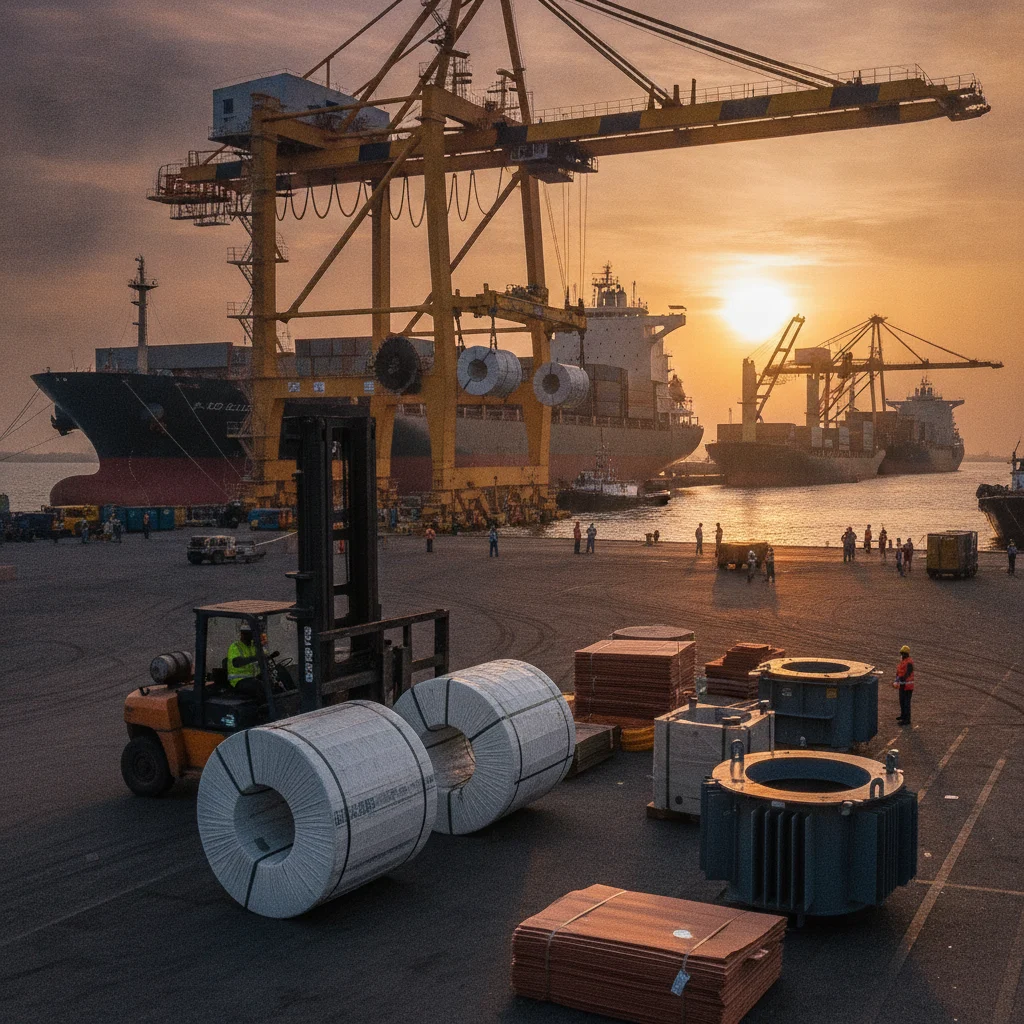
Free On Board (FOB) transfers risk to the buyer the moment the coil is loaded onto the vessel at the origin port. From that point forward, you’re arranging and paying for ocean freight, insurance, and everything on the receiving end — customs clearance, inland transport, the works.
FOB gives an experienced buyer the most control and often the best total cost, because you’re choosing your own freight forwarder and insurance provider rather than paying whatever margin the supplier builds into a bundled rate. It also means you’re the one dealing with a freight forwarder, tracking a vessel, and handling customs — not a small lift if you don’t already have that relationship in place.
CIF: The Supplier Books the Ship, You Still Own the Risk Mid-Voyage
Cost, Insurance, and Freight (CIF) is where first-time buyers most often get confused, because the name suggests more supplier responsibility than the term actually provides. The supplier does arrange and pay for ocean freight and minimum insurance coverage to your destination port. But risk still transfers to you at the same point as FOB — once the coil is loaded on the vessel at origin.
That gap matters. If something goes wrong mid-voyage, you’re the one filing the insurance claim, not the supplier, even though the supplier bought the policy. Worth reading the actual insurance certificate before you accept a CIF quote — “minimum coverage” under standard CIF terms is often less than what a moisture-sensitive electrical steel coil actually warrants, and topping up coverage yourself is usually possible and often worth the small added cost.
DDP: Everything, Landed at Your Door
Delivered Duty Paid (DDP) puts the most responsibility on the supplier: they handle freight, insurance, export clearance, import duties, and delivery to your specified location. Risk doesn’t transfer to you until the coil is actually delivered. For a buyer without an existing logistics setup, this is the closest thing to “just receive the coil” that international trade terms offer.
It comes at a price — DDP quotes bake in the supplier’s cost of managing every stage, plus a margin for taking on the coordination and risk. For a first order, or an order into a market where you don’t yet have established customs brokerage, that premium is frequently worth paying just to remove the coordination burden while you’re still learning the process.
Side-by-Side Comparison
| FOB | CIF | DDP | |
|---|---|---|---|
| Risk transfers to buyer | At origin port, once loaded | At origin port, once loaded | At final destination, on delivery |
| Who arranges freight | Buyer | Supplier | Supplier |
| Who arranges insurance | Buyer | Supplier (minimum coverage) | Supplier |
| Who handles import customs | Buyer | Buyer | Supplier |
| Buyer’s logistics coordination burden | Highest | Moderate | Lowest |
| Typical total cost | Often lowest, if buyer has good freight rates | Moderate | Highest, but most predictable |
| Best fit | Experienced buyers with an existing forwarder | Buyers wanting supplier-arranged freight but comfortable owning mid-voyage risk | First-time buyers, or buyers without customs brokerage in place |
Why Coil Cargo Deserves More Attention Than a Generic Incoterm Guide Gives It
Most incoterm explainers are written for general cargo — apparel, electronics, commodity goods. Electrical steel coils are a different risk profile in two specific ways that make the fine print of these terms matter more than a generic guide will tell you.
Per-shipment value density. A single container of CRGO or CRNGO coil represents significant value concentrated in relatively few units. If something goes wrong, you’re not distributing risk across thousands of small units the way an apparel shipment does — you’re potentially looking at a meaningful loss on a small number of coils.
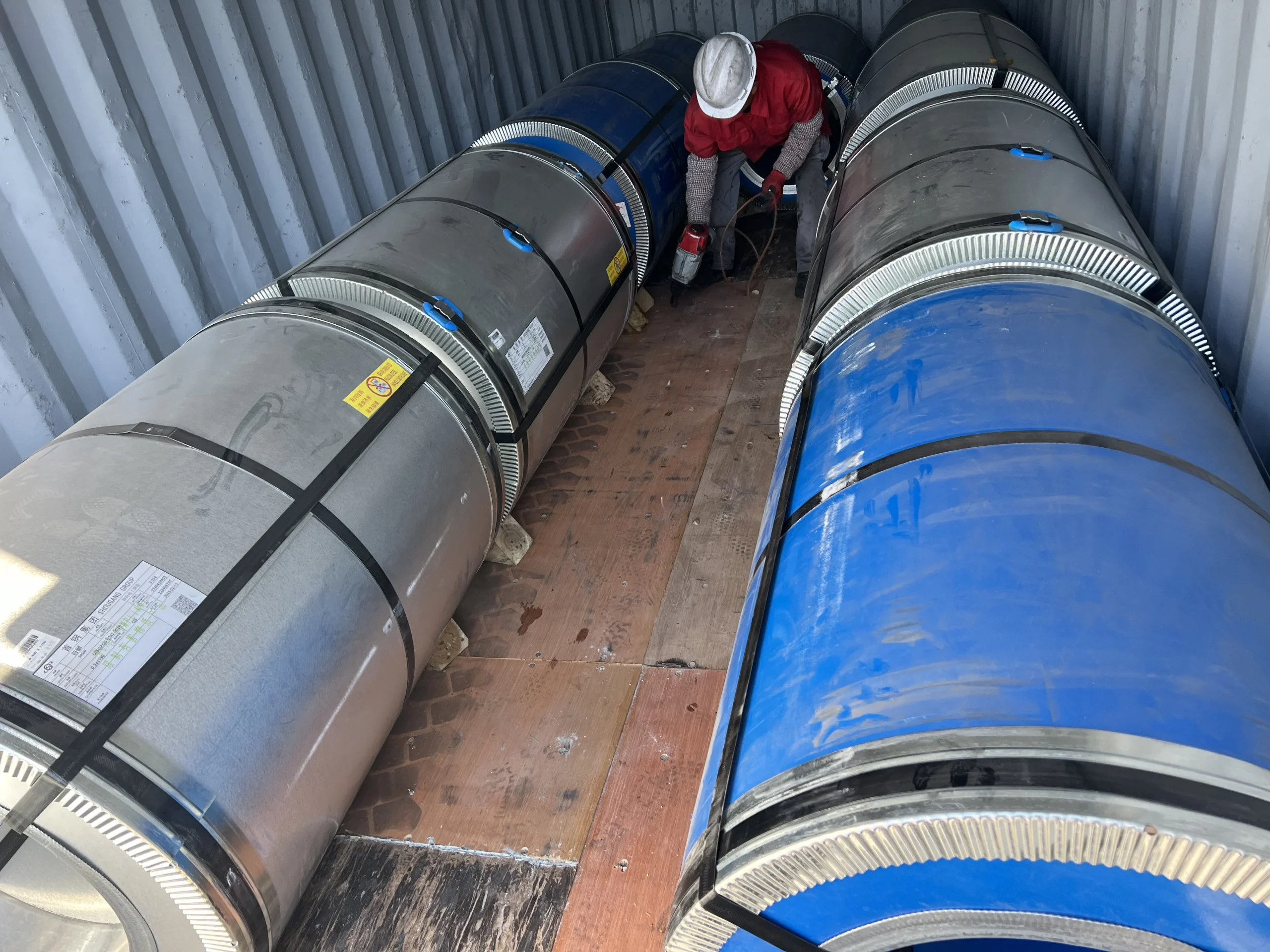
Moisture sensitivity. Electrical steel coils corrode if VCI (vapor corrosion inhibitor) protection fails or a container takes on humidity during transit — and unlike many general cargo types, surface rust on electrical steel isn’t just cosmetic; it can affect coating integrity and, in bad enough cases, the steel’s usability. That makes the insurance coverage and inspection rights that come with each incoterm genuinely worth reading closely, not just checking a box on.
Which One Fits Your First Order?
If you already have a freight forwarder relationship and comfortable customs brokerage in your home market, FOB usually gets you the best total cost — you’re not paying anyone else’s logistics margin.
If you don’t have that in place yet, CIF or DDP is generally the more practical starting point, even at a cost premium. The logistics coordination FOB requires isn’t free — it costs time, mistakes, and stress on a first order, and that cost doesn’t show up as a line item the way a supplier’s margin does.
A reasonable pattern for a first electrical steel import: start with DDP or CIF to get comfortable with the product and the supplier relationship, then evaluate switching to FOB on a later order once you’ve built the freight forwarder relationship and customs process that make FOB’s cost advantage actually achievable.
A Common Misread: “DDP Means I Don’t Need to Check Anything”
DDP shifts logistics responsibility to the supplier. It doesn’t shift your responsibility to verify what you actually received. Mill test certificates, packing lists, and coating class documentation still need to be checked against your original order — a supplier managing the full logistics chain under DDP terms doesn’t automatically mean the coil that shows up matches the spec you ordered.
This isn’t a knock on DDP as a term. It’s a reminder that “delivered” and “verified” are two different steps, and skipping the second one because the first one felt comprehensive is exactly how a documentation mismatch goes unnoticed until it’s already in production.
FAQ
What’s the main difference between FOB and CIF for electrical steel imports?
Risk transfers to the buyer at the same point under both terms — once the coil is loaded on the vessel at origin. The difference is who arranges and pays for freight and insurance: under FOB, the buyer does; under CIF, the supplier does, though the buyer still bears the risk if something goes wrong mid-voyage.
Is DDP more expensive than FOB for the same electrical steel order?
Usually, yes — DDP pricing includes the supplier’s cost of managing freight, insurance, customs, and delivery, plus a margin for taking on that coordination and risk. For a first order or a market where you don’t yet have customs brokerage in place, that premium is often worth paying to remove the coordination burden.
Does CIF insurance actually cover moisture damage to electrical steel coils?
It depends on the specific policy — “minimum coverage” under standard CIF terms is a baseline, not a guarantee of full coverage for a moisture-sensitive cargo like coated electrical steel. Review the actual insurance certificate before accepting a CIF quote, and consider topping up coverage for a shipment where corrosion risk is a real concern.
Which incoterm should a first-time electrical steel buyer choose?
CIF or DDP generally make more sense for a first order, since they remove logistics coordination a buyer without an established freight forwarder relationship isn’t yet set up to handle well. FOB often becomes the better total-cost option on later orders, once that relationship and customs process are in place.
Do I still need to check mill test certificates if I order DDP?
Yes. DDP shifts logistics and delivery responsibility to the supplier, but it doesn’t remove your responsibility to verify the coil you received matches your order — mill test certificates, packing lists, and coating documentation should still be checked regardless of which incoterm governs the shipment.
Working out which incoterm fits your first (or next) electrical steel order? Contact Zhongxin Special Steel — we quote FOB, CIF, and DDP and can walk through which one actually fits your logistics setup. For the broader sourcing process, see our guide to sourcing electrical steel from China.

