
Importing electrical steel — whether grain-oriented CRGO for transformer cores or non-oriented CRNGO for motor stators — involves navigating HS codes, import duties, anti-dumping measures, and documentation requirements that vary significantly by destination market. This guide provides a practical reference for importers across the three largest markets for Chinese electrical steel exports: Europe, North America, and the Middle East.
Core Key Points
- Electrical steel is classified under HS Chapter 72 (Iron and Steel), with specific HS codes distinguishing CRGO from CRNGO, and grain-oriented from other alloy steel.
- The EU applies anti-dumping duties on certain cold-rolled flat steel and CRGO products from China — understanding which HS codes and which Chinese producer/exporter codes are affected is critical to landed cost calculation.
- The US applies Section 301 tariffs of 25% on Chinese-origin electrical steel in addition to the base MFN duty rate, making Chinese electrical steel significantly more expensive for US buyers.
- The Middle East (UAE, Saudi Arabia, Kuwait) generally applies low import duties (0–5%) with no anti-dumping measures on Chinese electrical steel, making it the most open market for Chinese-origin material.
- Correct HS code classification is the single most important customs decision — misclassification can result in either overpayment of duties (if classified as non-preferential) or penalties for underpayment.
Electrical Steel HS Code Classification
The Harmonized System (HS) classification for electrical steel falls within Chapter 72. The key HS codes for grain-oriented and non-oriented electrical steel are:
CRGO (Grain-Oriented Electrical Steel)
| HS Code (6-digit) | Description |
|---|---|
| 722511 | Flat-rolled products of other alloy steel, of silicon electrical steel, grain-oriented |
| 722611 | Flat-rolled products of other alloy steel, width < 600 mm, silicon electrical steel, grain-oriented |
CRGO in standard coil widths (≥ 600 mm) falls under 7225.11. Slit/narrower widths (< 600 mm) fall under 7226.11.
CRNGO (Non-Grain-Oriented Electrical Steel)
| HS Code (6-digit) | Description |
|---|---|
| 722519 | Flat-rolled products of other alloy steel, silicon electrical steel, other (non-grain-oriented) |
| 722619 | Flat-rolled products of other alloy steel, width < 600 mm, silicon electrical steel, other |
Note: Many countries apply 8-digit or 10-digit HS codes. The 6-digit codes above are the international standard (WCO HS 2022); importers must apply the local tariff schedule sub-headings for their specific country.
Key Classification Criteria
| Property | Classification Criteria |
|---|---|
| Silicon content | Must be ≥ 1% (typically 1.5–3.5% for electrical steel) |
| Width | ≥ 600 mm = HS 7225.xx; < 600 mm = HS 7226.xx |
| Grain orientation | Grain-oriented silicon steel = .11; Other / non-grain-oriented silicon steel = .19 |
| Cold-rolled | Classification confirmed by final processing route |
European Union Import Guide
Base Import Duty (MFN Rate)
Under the EU Common Customs Tariff (CCT), electrical steel from non-preferential origins (including China) is subject to the following MFN rates:
| HS Code (CN 8-digit) | Product | MFN Duty |
|---|---|---|
| 72251100 | CRGO flat-rolled silicon electrical steel, width ≥ 600 mm | 0% |
| 72261100 | CRGO flat-rolled silicon electrical steel, width < 600 mm | 0% |
| 72251910 | CRNGO flat-rolled silicon electrical steel, width ≥ 600 mm | 0% |
| 72261910 | CRNGO flat-rolled silicon electrical steel, width < 600 mm | 0% |
The EU MFN duty on electrical steel is generally 0% — but this is only the base rate.
Anti-Dumping Measures on Chinese Electrical Steel
The EU has maintained anti-dumping (AD) measures on certain steel products from China. For CRGO specifically:
Council Regulation (EU) 2016/1328 (extended): Anti-dumping duties on certain grain-oriented flat-rolled electrical steel from China. The measures apply to CRGO products classified under CN 7225 11 00 and 7226 11 00.
Current AD duty rates (as of 2026) vary by producer/exporter. Companies with Individual Treatment (IT) status have lower rates; others face the “all other companies” rate of approximately 53.8%.
Critical action: Before importing Chinese-origin CRGO to the EU, verify:
- Whether your specific Chinese producer has IT status (their AD duty rate is listed in the EU Official Journal).
- Whether the product falls within the AD measure’s product scope.
- Whether any exemptions apply (e.g., certain grades or dimensions excluded from the measure).
For CRNGO: As of 2026, the EU does not maintain specific anti-dumping measures targeting non-oriented silicon steel from China under the electrical steel HS codes.
VAT and Processing
The EU charges VAT on imports at the destination country rate (typically 19–25%). This is recoverable for VAT-registered businesses. No additional safeguard measures currently apply to electrical steel as of June 2026.
EU Documentary Requirements
Standard EU import documentation for electrical steel:
- Commercial Invoice (EUR equivalent value, Incoterms specified)
- Packing List
- Bill of Lading or Air Waybill
- Certificate of Origin (to determine applicable AD duty rate)
- Mill Test Certificate (MTC) per IEC 60404-8-7
- Material Safety Data Sheet (MSDS) if applicable
- Single Administrative Document (SAD / Import Entry) filed by customs broker
North America Import Guide (US and Canada)
United States
HTS Code (US Harmonized Tariff Schedule):
- 7225.11.0000: Silicon electrical steel, grain-oriented, width ≥ 600 mm
- 7226.11.1000: Silicon electrical steel, grain-oriented, width < 600 mm
Base MFN Duty Rate (US):
- CRGO: 0% base MFN duty
- CRNGO: 0% base MFN duty
Section 301 Tariffs (China-Origin Only):
Chinese-origin electrical steel products are subject to Section 301 tariffs under the U.S.-China trade action. As of June 2026, the applicable rate on Chinese-origin electrical steel (HTS 7225.11, 7226.11, and related CRNGO codes) is 25% on the customs value.
This creates a significant cost disadvantage for Chinese-origin electrical steel in the US market:
| Origin | Base Duty | Section 301 | Total Duty |
|---|---|---|---|
| China | 0% | 25% | 25% |
| Japan | 0% | 0% | 0% |
| South Korea (KOR-FTA) | 0% | 0% | 0% |
| European Union | 0% | 0% | 0% |
| Taiwan | 0% | 0% | 0% |
The effective 25% tariff on Chinese-origin electrical steel has substantially shifted US import sourcing toward Japan, South Korea, and Europe for most applications. However, some Chinese grades (particularly ultra-thin CRNGO not available from other sources) continue to be imported despite the tariff.
Anti-Dumping Investigation: The US Department of Commerce has conducted AD investigations on various steel products from China. As of June 2026, importers should verify current AD/CVD order status on relevant HS codes through the USITC EDIS database before importing.
US Documentary Requirements:
- Commercial Invoice
- Bill of Lading
- Packing List
- Certificate of Origin (critical for Section 301 determination)
- CBP Entry (filed by licensed customs broker)
- ISF (Importer Security Filing) 24 hours before loading for ocean shipments
- For Section 301 exemptions (if claimed): relevant exclusion request number
Canada
Canada applies no specific anti-dumping measures on Chinese electrical steel as of June 2026, and the MFN duty rate on electrical steel is 0%.
However, Canada may apply the CBSA Special Import Measures Act (SIMA) duties if a dumping or subsidy complaint is filed. US-origin steel products benefit from 0% duty under the CUSMA (USMCA) agreement. The Canadian market is therefore accessible from both Chinese and US-origin supply.
Middle East Import Guide (UAE, Saudi Arabia, Turkey)
UAE (United Arab Emirates)
Import Duty: 5% on customs value (CIF) for most steel products, including electrical steel.
No anti-dumping measures targeting Chinese electrical steel. The UAE is one of the most open markets globally for Chinese electrical steel imports.
Documentation Required:
- Commercial Invoice (in Arabic or with certified translation)
- Certificate of Origin (legalized by UAE Embassy in China)
- Packing List
- Bill of Lading
- Certificate of Conformity from accredited lab (for some applications)
- For CRGO: MTC per IEC 60404-8-7 recommended
Import Process: JAFZA (Jebel Ali Free Zone) and Abu Dhabi free zones allow import and re-export without UAE customs duties, making the UAE a hub for re-distributing electrical steel to the Gulf, India, and East Africa.
Saudi Arabia
Import Duty: 5–7% on CIF value for electrical steel.
The GCC (Gulf Cooperation Council) Common External Tariff (CET) applies, with a standard rate of 5% for most steel products. Saudi Arabia and other GCC members are developing local transformer manufacturing capacity, creating growing demand for imported electrical steel.
Turkey
Import Duty: Turkey applies independent tariff rates. Electrical steel (CRGO): approximately 3–5%. CRNGO: approximately 0–3%.
Turkey has an active transformer manufacturing sector (notably Türkerler, Eti Bakır) that imports significant quantities of CRGO. Turkey has not imposed anti-dumping measures specifically on Chinese electrical steel as of June 2026, making it an accessible market.
Customs Value in Turkey: Turkey uses the CIF customs value basis. Exchange rate fluctuations (TRY/USD) significantly affect effective duty rates for Turkish importers.
Documentation Required for Electrical Steel Imports
All markets require a core set of documentation. This standard package covers most electrical steel import requirements:
| Document | Purpose | Who Provides |
|---|---|---|
| Commercial Invoice | Declares transaction value, HS code, description | Exporter/Zhongxin Steel |
| Packing List | Details coil numbers, weights, dimensions | Exporter/Zhongxin Steel |
| Bill of Lading | Title document for ocean freight | Shipping line |
| Certificate of Origin (CO) | Determines duty rate; may require Chamber endorsement | Exporter via local Chamber of Commerce |
| Mill Test Certificate (MTC) | Proves electromagnetic and dimensional compliance | Producing mill |
| Inspection Certificate | Third-party quality verification if specified | SGS, Bureau Veritas, etc. |
| Insurance Certificate | Evidence of cargo insurance | Buyer or seller per Incoterms |
Working with Freight Forwarders and Customs Brokers
For electrical steel imports, work with freight forwarders and customs brokers that specialize in steel products:
- Confirm your broker understands steel HS classification — Electrical steel classification (CRGO vs. CRNGO, grain-oriented vs. non-oriented) requires specific product knowledge. General-purpose brokers sometimes misclassify.
- Verify anti-dumping status before shipping — Ask your broker to confirm current AD/CVD status for your specific HS code and origin country combination before the shipment departs.
- Obtain correct Certificate of Origin — The CO must accurately reflect the country of origin and, in the EU, the specific producing company (for IT status verification).
- Use Incoterms DAP or DDP for first shipments — Having the supplier arrange and pay for shipping puts the burden of export documentation on the party with the most knowledge of Chinese export requirements, reducing risk for the first-time importer.
Common Customs Clearance Issues
1. HS code misclassification
Declaring CRGO under CRNGO codes (or vice versa) can result in underpayment or overpayment of duties. In the EU, where AD duties apply specifically to grain-oriented products, misclassifying CRGO as CRNGO to avoid AD duties constitutes customs fraud.
2. Incorrect Certificate of Origin
The CO is the primary document used to determine duty rates. Incorrect origin declarations (e.g., transshipment without substantial transformation) can result in customs penalties and seizure.
3. CIF vs. FOB value disputes
Some markets calculate duty on CIF value; others on FOB. Ensure your commercial invoice and CO are consistent with the Incoterms used and the customs value calculation basis of your destination country.
4. Anti-dumping deposit requirements
In the US, CBP may require anti-dumping duty deposits at the time of import entry. The final duty rate is determined after a CBP administrative review. Budget for potential true-up payments.
FAQ
What is the EU anti-dumping duty rate on Chinese CRGO in 2026?
EU anti-dumping duties on CRGO from China vary by producer. The “all other companies” residual rate is approximately 53.8%. Specific Chinese producers may have lower Individual Treatment rates. Check the EU Official Journal or contact a customs broker to determine the applicable rate for your specific supplier.
Can I import Chinese electrical steel into the US through a third country to avoid Section 301 tariffs?
No. US Customs applies Section 301 tariffs based on origin, not the port of export. Transshipment through a third country (e.g., Vietnam, Malaysia) without substantial transformation does not change the country of origin and constitutes circumvention, which carries significant penalties. Legitimate third-country production using Chinese semi-finished inputs may establish a different origin if it meets substantial transformation criteria.
Do I need a CE mark or UL listing for electrical steel imported into Europe or North America?
No. CE marking and UL listing apply to finished products (e.g., transformers, motors), not to input materials like electrical steel. Electrical steel does not require product certification — the Mill Test Certificate (MTC) and electromagnetic test data are the appropriate quality documentation.
What is the minimum shipment size for cost-effective electrical steel imports?
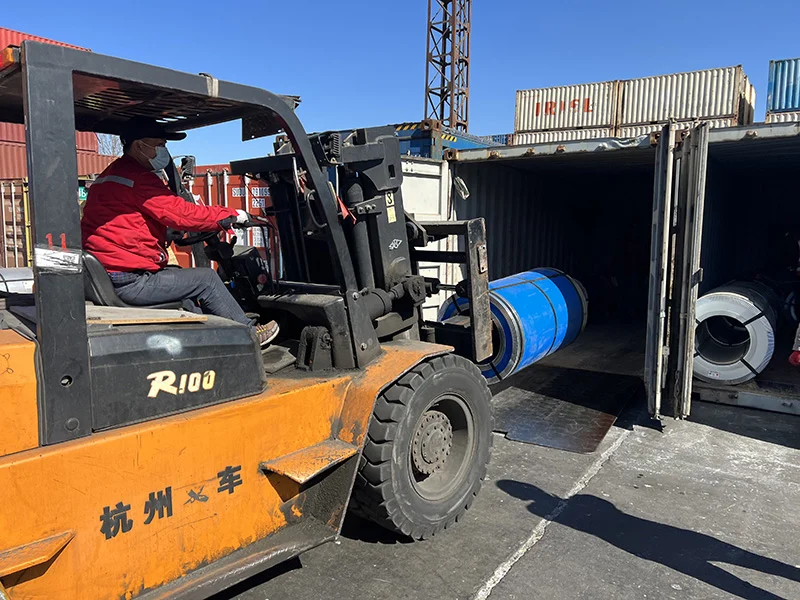
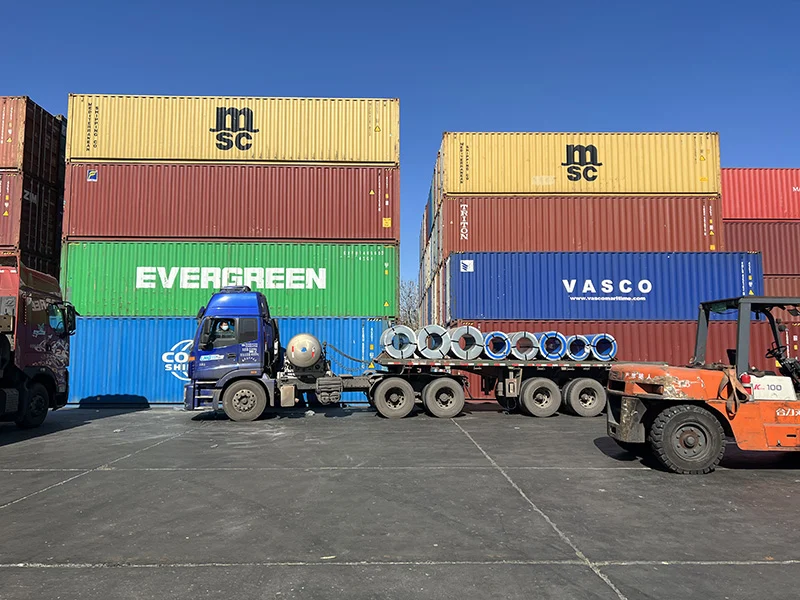
Ocean freight economics favor full container loads (FCL). A standard 20-foot container holds approximately 22–25 tonnes of electrical steel coils. LCL (less than container load) shipments of 5–10 tonnes are feasible but carry higher per-tonne freight and handling costs. Most importers find the threshold for cost-effective ocean freight to be approximately 15–20 tonnes per shipment.
References
- World Customs Organization (2022). Harmonized Commodity Description and Coding System — HS Nomenclature 2022 Edition. Brussels: WCO.
- European Commission (2016, extended). Council Implementing Regulation (EU) 2016/1328 on anti-dumping duties on GOES from China. Official Journal of the EU.
- U.S. International Trade Commission (2024). Harmonized Tariff Schedule of the United States (HTS) 2024. Washington D.C.: USITC.
- GCC General Secretariat (2022). Gulf Cooperation Council Common External Tariff Schedule 2022. Riyadh: GCC.
- TradeMap (2026). Trade statistics for electrical steel (HS 7225.11, 7226.11) by country, 2024. Geneva: ITC.


