Metal Guide

General metal buyer FAQs and grade comparisons — stainless steel, aluminum, copper, and other non-electrical-steel materials.

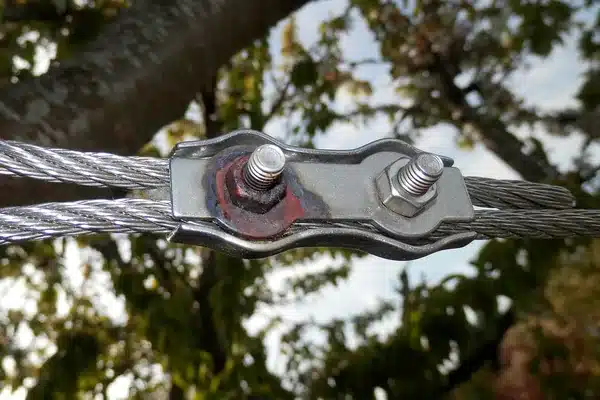
A rusted nut on a stainless steel wire rope clamp, next to a clean stainless nut on the same clamp
Metal Guide

Does Stainless Steel Rust? Yes, and Here Is When, Why and What to Do

Yes, stainless steel can rust. It resists rust because a thin chromium oxide film seals its surface. Chlorides, trapped dirt, iron contamination, welding heat or the wrong grade can break that film, and then the steel underneath corrodes like any other iron alloy. By the ZHX Steel technical team. Published 9 October 2026. Last updated
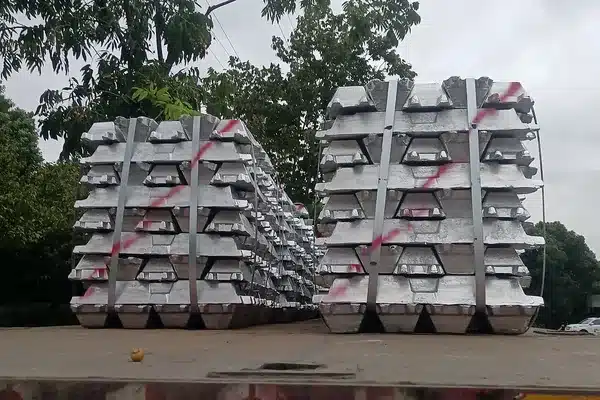
Bundled stacks of primary aluminum ingots strapped on a flatbed truck
Metal Guide

Aluminum Density: Values, Alloy Chart, and How to Calculate Weight

The density of aluminum is 2.70 g/cm³, which is 2,700 kg/m³, 0.0975 lb/in³, or about 168.5 lb/ft³. That’s for pure aluminum at room temperature. Common alloys stay close to it: most fall between 2.64 and 2.81 g/cm³, depending on how much magnesium, copper, or zinc they carry. The comparison most people care about: aluminum weighs

does-aluminum-rust
Metal Guide

Does Aluminum Rust? What Corrodes Inside a Transformer

No, aluminum does not rust. Rust is iron oxide, and aluminum contains no iron, so the reddish-brown flaking you see on old steel cannot form on it. What aluminum does instead is oxidize instantly into a thin, hard layer of aluminum oxide that seals the metal underneath. That layer is why an aluminum ladder looks

Przewijanie do góry