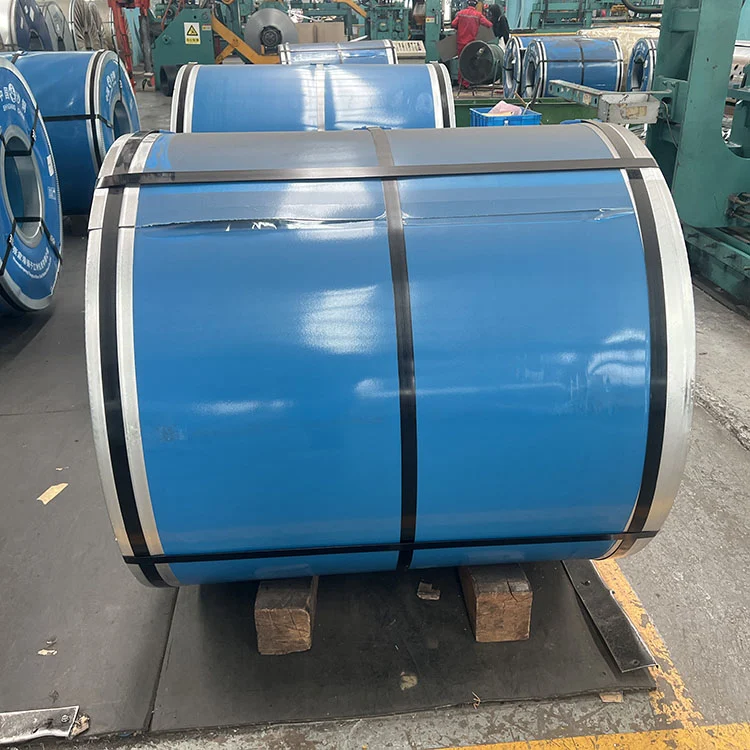
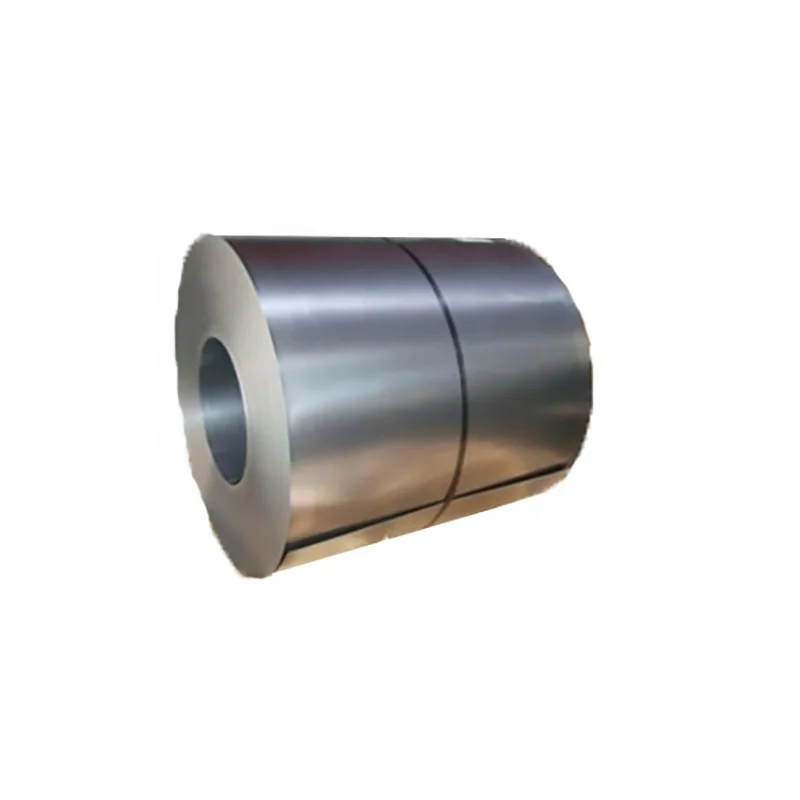
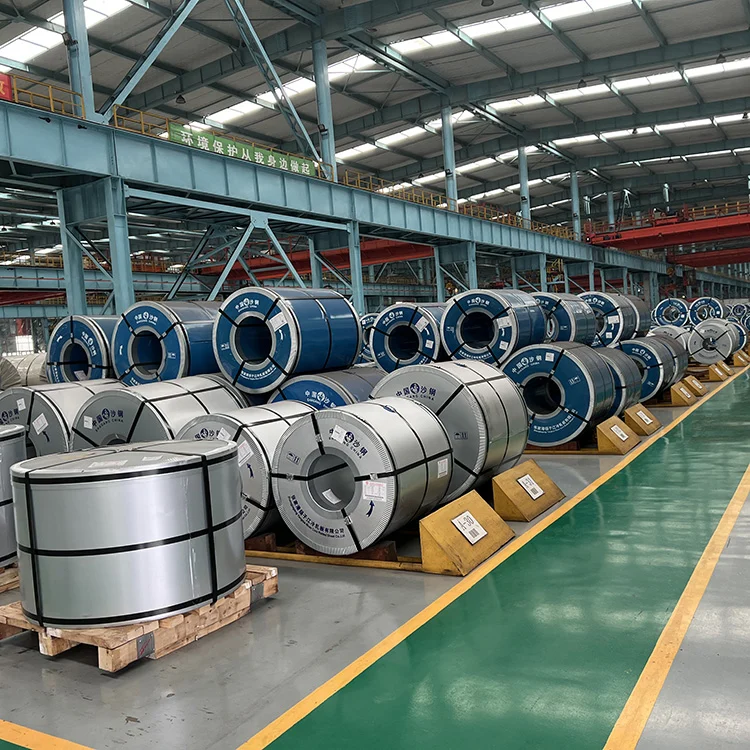
When we think about the technologies enabling the global transition to a sustainable, electrified future, our minds might immediately turn to solar panels, wind turbines, or advanced batteries. Yet, quietly embedded at the core of every power transformer and every modern electrical grid is a material of immense importance, one that the steel industry itself often calls the “crown jewel”: Grain-Oriented Electrical Steel (GOES) . Without it, the entire chain of power generation, transmission, and efficient distribution would be significantly less effective and far more wasteful.
What Exactly Is Grain-Oriented Electrical Steel?
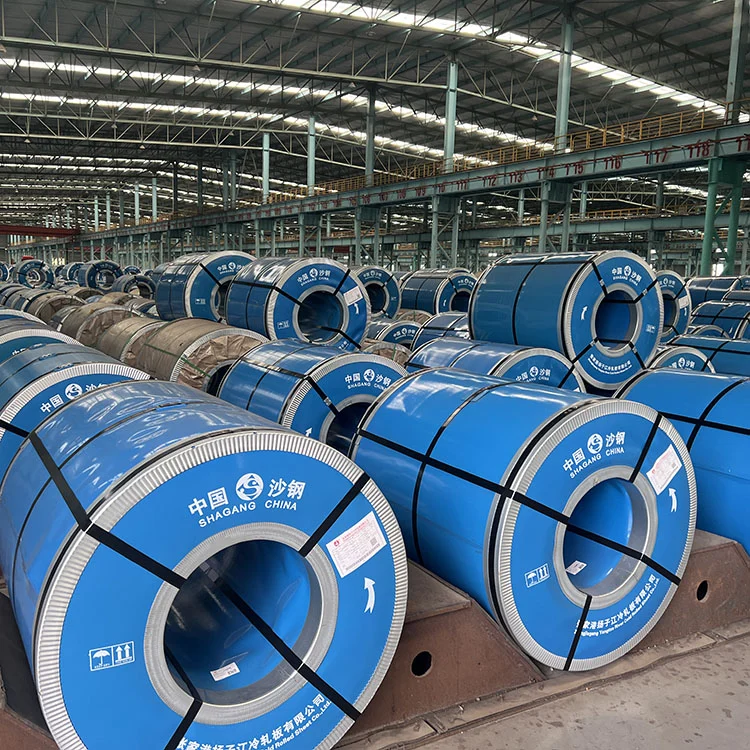
Grain-oriented electrical steel, also known as cold-rolled transformer steel, is a highly specialized silicon-iron alloy containing between 2.5% and 4.5% silicon. Unlike standard carbon steels, GOES undergoes a complex metallurgical process involving secondary recrystallization to align its iron crystals in a specific, uniform direction (the <110> crystallographic direction). This meticulously controlled “grain orientation” is the key to its magic. By forcing the magnetic domains to align, the material achieves remarkably low core loss (hysteresis and eddy current losses) and exceptionally high magnetic permeability when magnetized in the rolling direction. In simpler terms, it allows electricity to pass through the core of a transformer with minimal resistance and heat generation.
The industry generally categorizes GOES into two main grades: Conventional Grain-Oriented (CGO) electrical steel and High Magnetic Permeability (Hi-B) steel (with magnetic induction ≥ 1.88T). While CGO has been the workhorse for decades, the relentless push for energy efficiency is rapidly shifting demand toward Hi-B and ultra-thin, low-loss variants.
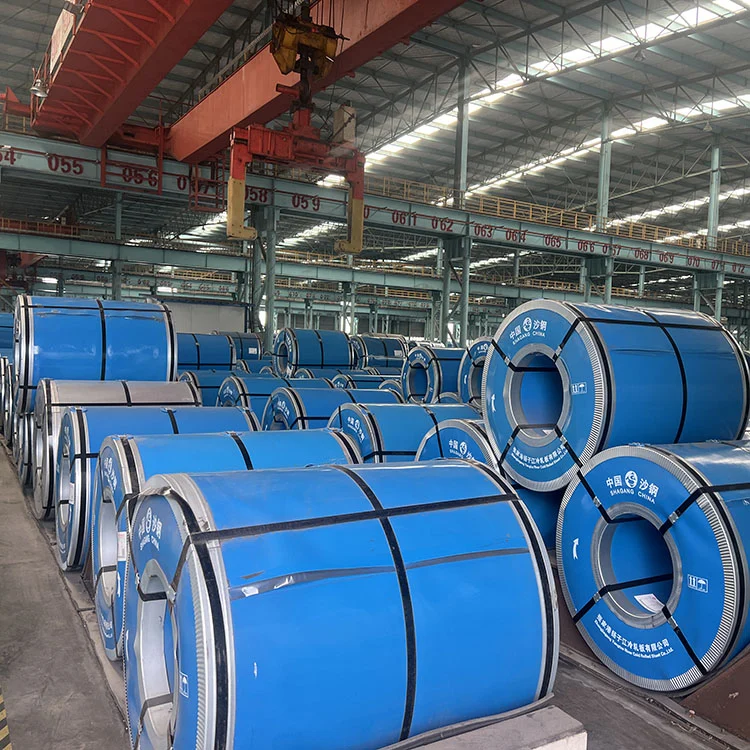
The Beating Heart of the Power Grid: Transformers
The most critical and pervasive application of grain-oriented electrical steel is, without question, in the manufacture of transformer cores. It is the fundamental material that makes modern, high-efficiency power transmission possible. In the journey from a remote wind farm or hydroelectric dam to the light switch in your home, electricity must be “stepped up” to high voltages for long-distance transmission and then “stepped down” to safer, lower voltages for distribution and use. Each of these voltage changes occurs inside a transformer, and the energy efficiency of that process is almost entirely dictated by the quality of the GOES core.
Consider the sheer scale of this efficiency challenge. It is estimated that transmission and distribution losses in China account for roughly 6.6% of the country‘s total electricity generation, with distribution transformers alone responsible for nearly half of those losses. This translates to wasted terawatt-hours of electricity every year. Upgrading transformers with high-grade, ultra-thin GOES directly tackles this massive energy drain.
The impact is concrete and measurable. Modern high magnetic induction GOES, with thicknesses as low as 0.23 to 0.27 mm, can reduce transformer energy consumption by 15% to 30%. If widely adopted across a national grid, the savings are staggering. Analysts note that a nationwide upgrade could save up to 15 billion kWh of electricity annually, equivalent to roughly 15% of the annual power output of the Three Gorges Dam. Leading producers like Baosteel have developed 0.20 mm ultra-low loss GOES (such as the B20R060 grade) which achieves unit losses as low as 0.60 W/kg—over 25% lower than conventional silicon steel.
This demand is further amplified by the global build-out of high-voltage direct current (HVDC) transmission lines and ultra-high-voltage (UHV) grids, which rely heavily on premium GOES to maintain stability and minimize losses over vast distances.
Powering the Clean Energy Revolution
The global push toward net-zero emissions has not merely sustained the market for GOES—it has supercharged it. Grain-oriented electrical steel sits at the nexus of the clean energy economy in several critical ways.
Renewable Energy Integration. As countries rapidly expand their solar and wind power capacity, the electricity generated is often far from population centers. This necessitates a massive expansion of the transformer fleet to connect new renewable plants to the grid and to manage the variable, intermittent nature of these power sources. Furthermore, emerging energy efficiency standards—such as China‘s updated national standard GB 20052 for power transformer efficiency limits—are mandating the use of higher-grade GOES in new and replacement transformers.
Energy Storage and EV Charging. While GOES is not typically used in the motors of electric vehicles (that application belongs to non-oriented electrical steel), the infrastructure supporting the EV revolution is deeply dependent on it. The global build-out of electric vehicle charging infrastructure requires a significant number of distribution transformers, all of which rely on GOES cores to function efficiently. In the United States, for instance, the expansion of the EV sector is projected to drive the U.S. GOES market to an estimated value of $1.54 billion by 2032.
Specialized Industrial and High-Frequency Applications. Beyond grid-scale transformers, GOES is finding new frontiers in high-performance applications. Ultra-thin gauge GOES (thickness ≤ 0.12 mm) is used in high-frequency transformers and power amplifiers operating in the 400 Hz to 1000 Hz range, where its low losses are indispensable. Manufacturers are even developing GOES grades as thin as 0.15 mm to meet the extreme demands of next-generation power electronics.
Market Dynamics and the Race for Ultra-Thin Steel
The global grain-oriented electrical steel market is on a robust growth trajectory. Valued at approximately USD 13.86 billion in 2025, it is projected to expand to USD 22.88 billion by 2034, representing a compound annual growth rate (CAGR) of 5.7%. Asia Pacific dominates this landscape, accounting for over 71% of the global market share in 2025, driven largely by China‘s immense manufacturing base and its aggressive investment in both power grid modernization and EV infrastructure.
China is not only the largest consumer but also the global production powerhouse. The country’s GOES output reached roughly 3.5 million tons in 2025, with installed capacity expanding to approximately 4.51 million tons—a year-on-year increase of nearly 27%. Industry analysts project that China‘s GOES capacity could approach 4.9 million tons by 2026. The competitive landscape in China has matured into a distinct pyramid structure, with Baowu Group and Shougang Group occupying the top tier as dominant, technologically advanced leaders in the high-end Hi-B segment.
Crucially, the market is not just expanding in volume; it is undergoing a profound technological shift. The “thinner is better” imperative is reshaping the industry. A new generation of products—0.20 mm and even 0.18 mm thick—are enabling unprecedented efficiency gains. In an effort to overcome the technical barriers associated with traditional mechanical and electrochemical domain refinement (which suffered from issues like uneven wear, high cost, and limited heat resistance), leading producers have pioneered laser heat-resistant scribing technology. This innovation creates permanent, micro-scale grooves on the steel surface to refine magnetic domains and slash core loss, while crucially maintaining its performance even after the high-temperature annealing required for advanced transformer designs.
Sustainability: The Core of the Matter
Ultimately, the application of grain-oriented electrical steel is a powerful lever in the global effort to decarbonize the power sector. The pursuit of “lower loss” is not an abstract metallurgical exercise; it is a direct and quantifiable climate solution. Improvements in transformer efficiency driven by advanced GOES translate directly into reduced fossil fuel consumption at power plants and, consequently, lower carbon emissions.
The math is compelling: a single ultra-efficient 110 kV transformer can save an estimated 5.5 million kWh of electricity over its 30-year operational life, averting approximately 4,400 tons of CO₂ emissions. Scaled across the tens of millions of transformers in operation worldwide, the cumulative decarbonization potential is immense. The industry is also embracing the broader principles of the circular economy, with research into greener raw materials and increased use of recycled scrap in the steelmaking process for transformer cores.
Conclusion
Grain-oriented electrical steel is a quintessential “hidden” technology—a material that the public never sees but that underpins the reliability and efficiency of modern civilization. From the massive transformers in substations to the compact chargers enabling electric mobility, GOES is the silent enabler of the energy transition. As global grids modernize to accommodate renewable energy and as efficiency standards become ever more stringent, the demand for thinner, higher-grade, and more advanced grain-oriented electrical steel will only intensify. It is a material that quite literally powers our future, one laminated sheet at a time.